Grenada
Sandy bays, rainforest lakes and colourful harbour towns meet spice-growing traditions, island craft and distinctive Caribbean flavours.
Worth coming back!
Wanderlama keeps growing with new destinations, helpful information and exciting features. Check back soon and discover what is new!
Travel to Grenada
Grenada combines sandy bays, green volcanic hills and a rich spice-growing heritage in the southern Caribbean. The country includes the main island and its smaller sister islands Carriacou and Petite Martinique. Known as the Spice Isle, Grenada grows nutmeg, cinnamon and cocoa on fertile slopes. Its landscapes and communities offer more than a beach holiday, from rainforest walks to fishing villages and local food traditions.
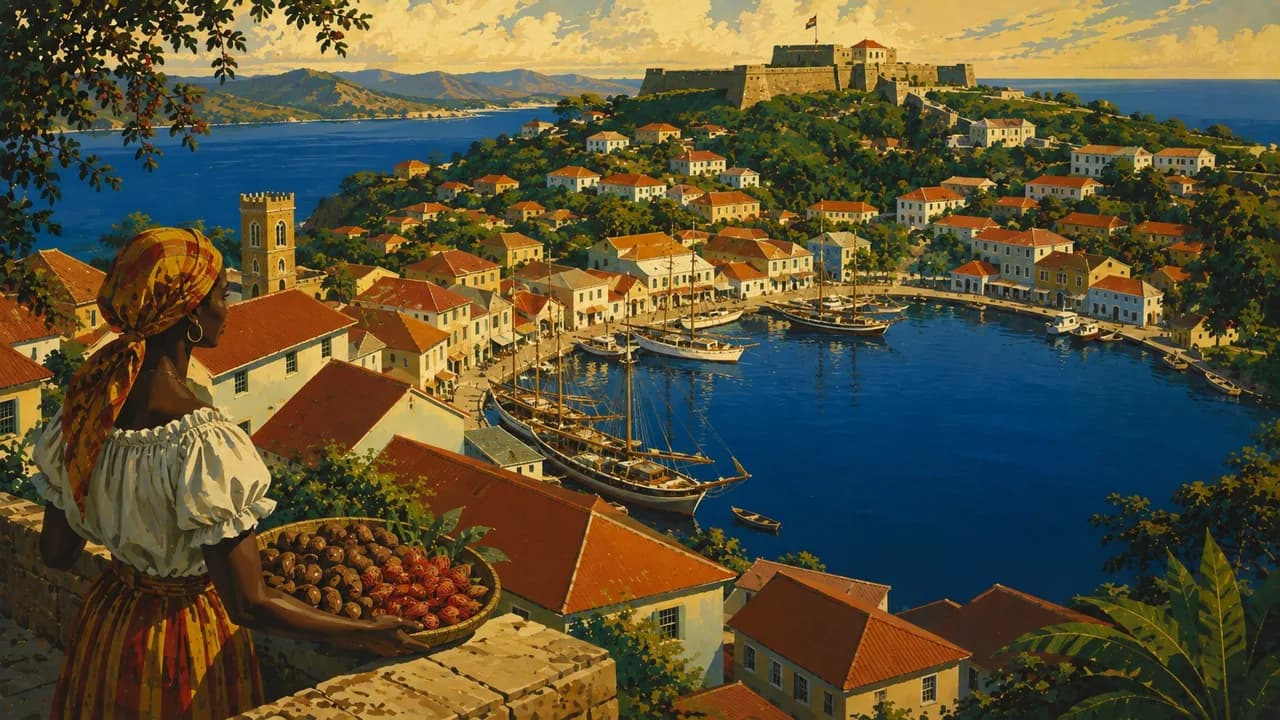
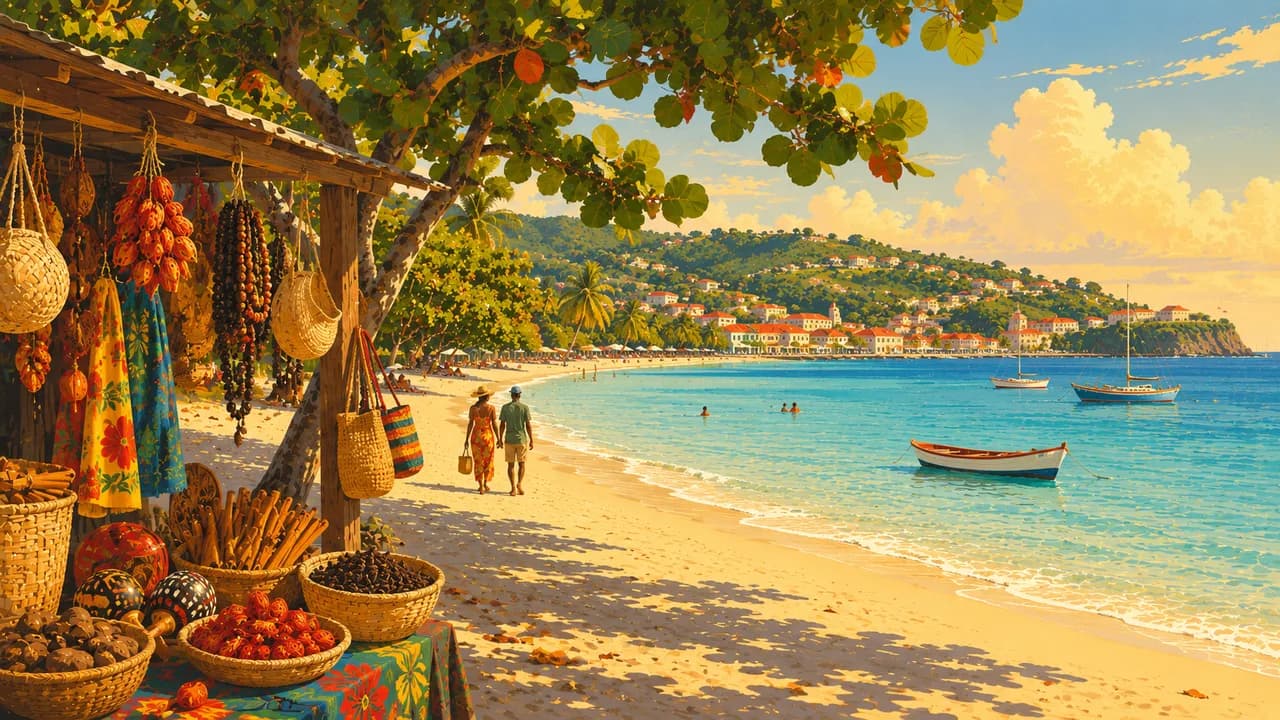
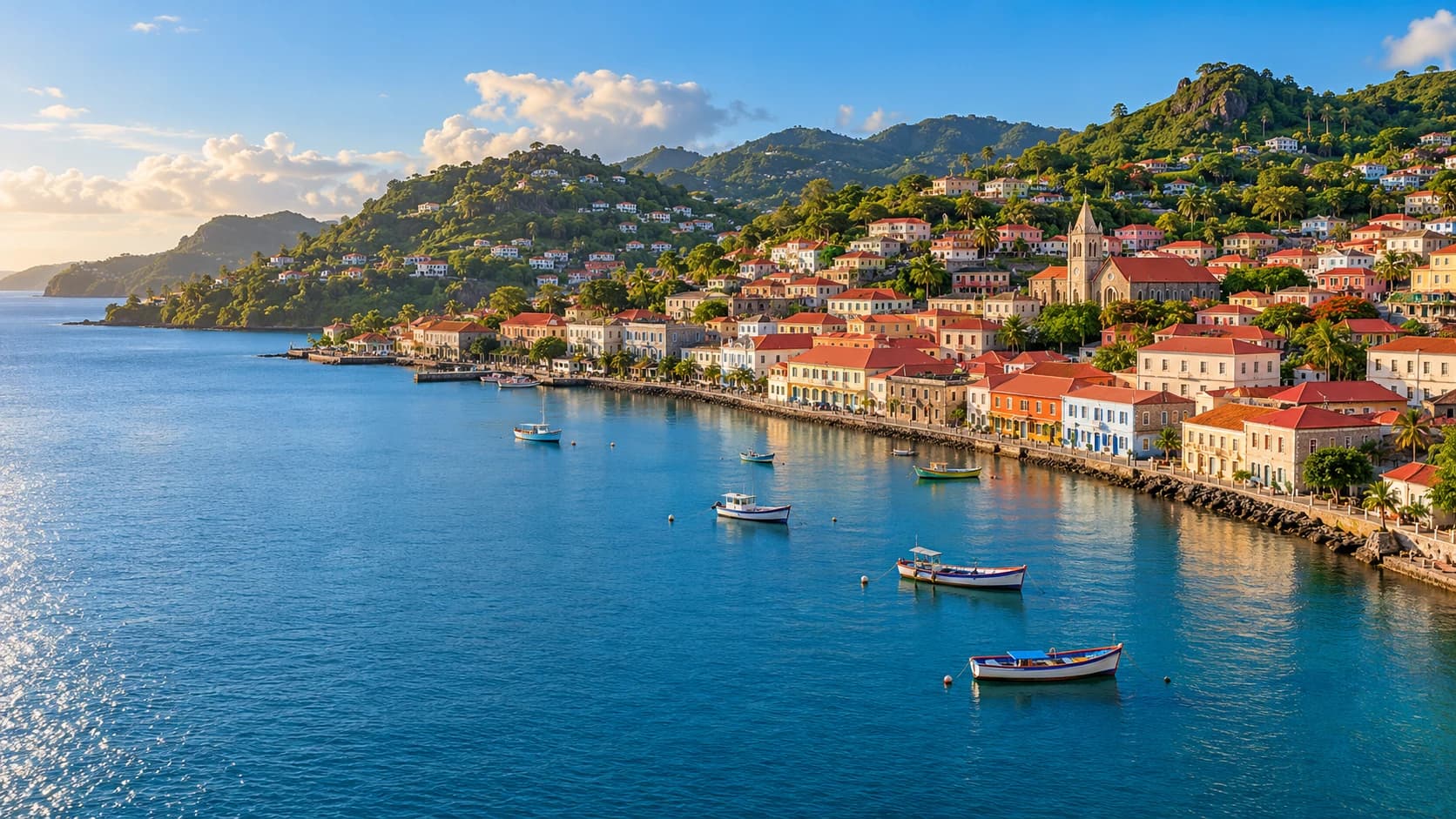
The capital St. George’s curves around the sheltered Carenage harbour, with colourful waterfront buildings and steep streets rising towards historic forts. Its markets connect the town with the island’s farms and spice trade. Nearby Grand Anse stretches along a broad sandy bay, while smaller coves offer contrasting coastal settings. In the Molinere Beauséjour Marine Protected Area, the Underwater Sculpture Park brings contemporary art reflecting Grenadian culture beneath the sea.
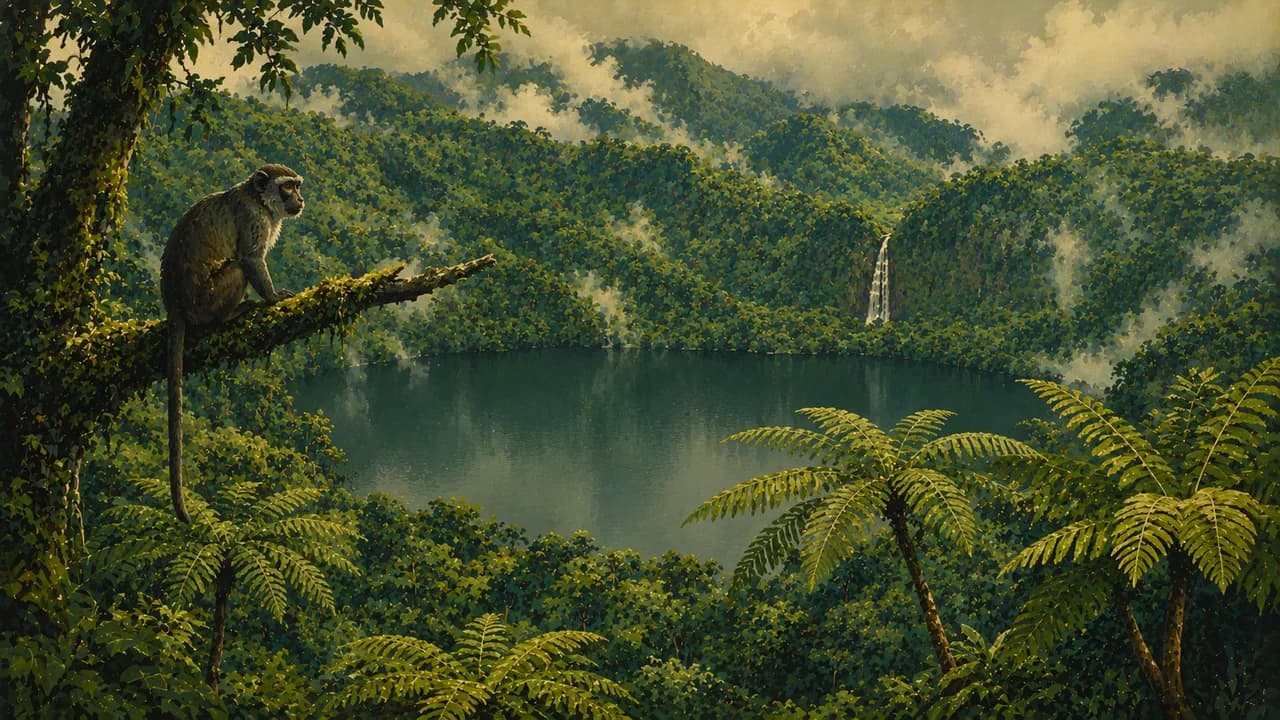
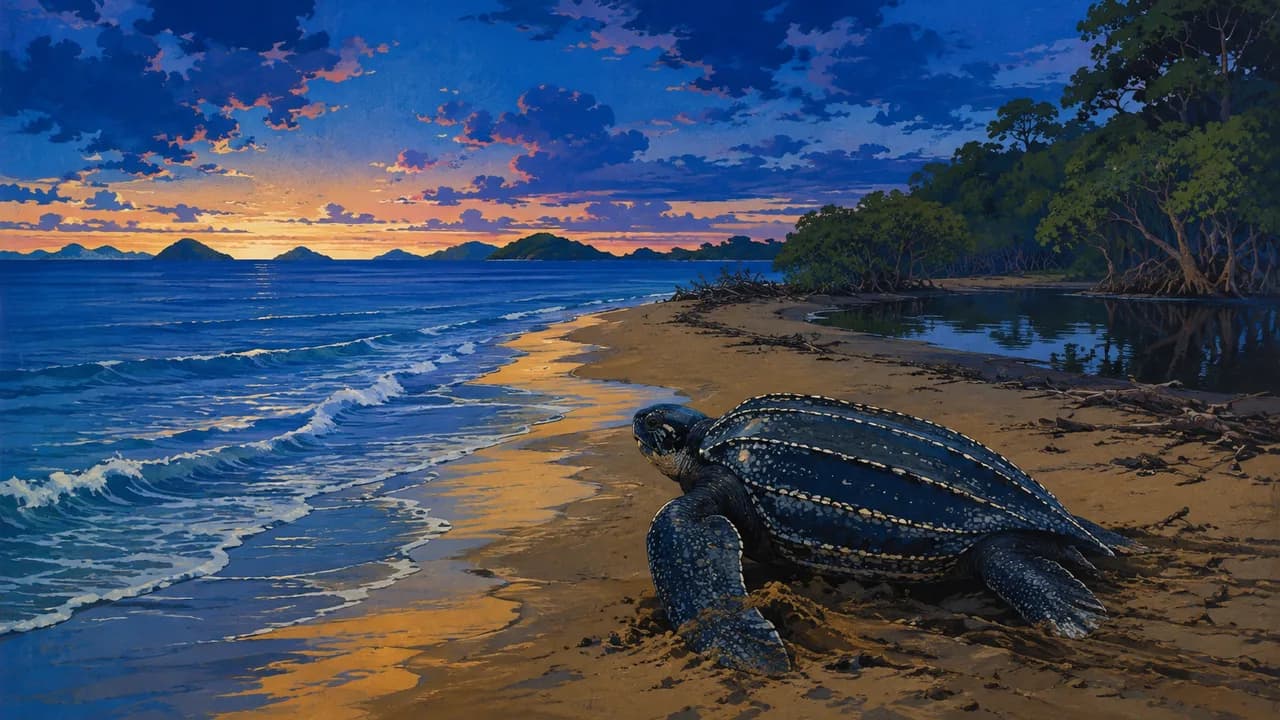
Grand Etang’s crater lake and forest reserve reveal a cooler, greener interior, with mountain trails and tropical birdlife. The Seven Sisters waterfalls add river scenery among wooded slopes. On the west coast, Gouyave combines fishing traditions with nutmeg-processing heritage. Grenville introduces the Atlantic-facing east through its markets and agricultural surroundings. Farther north, Levera protects a lagoon, mangroves and coastal habitats where leatherback turtles nest seasonally. Wildlife encounters are never guaranteed.
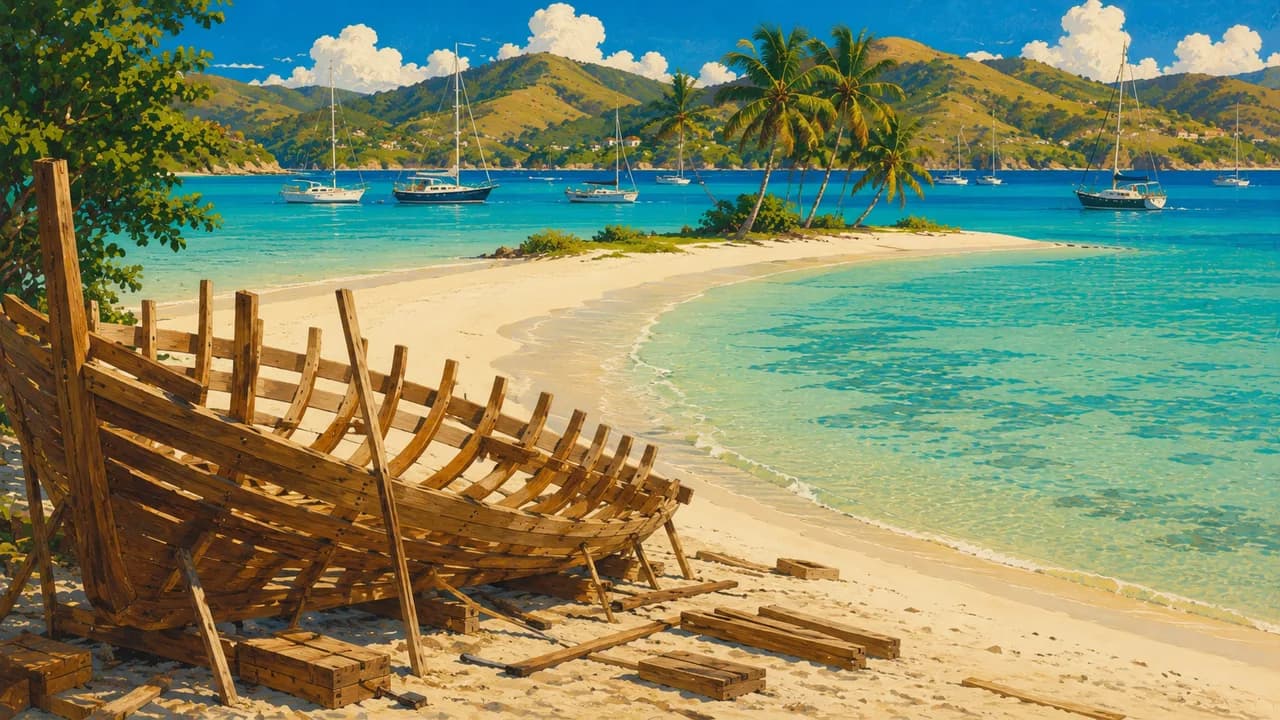
Carriacou offers a different island rhythm around Hillsborough, Paradise Beach and the waters near Sandy Island. Reefs and coastal bays complement the main island’s underwater attractions. Wooden boatbuilding, fishing and Big Drum traditions are part of its living heritage. Petite Martinique adds another small-island community shaped by the sea. These islands are places with their own identities, not simply extensions of the main island’s resorts.
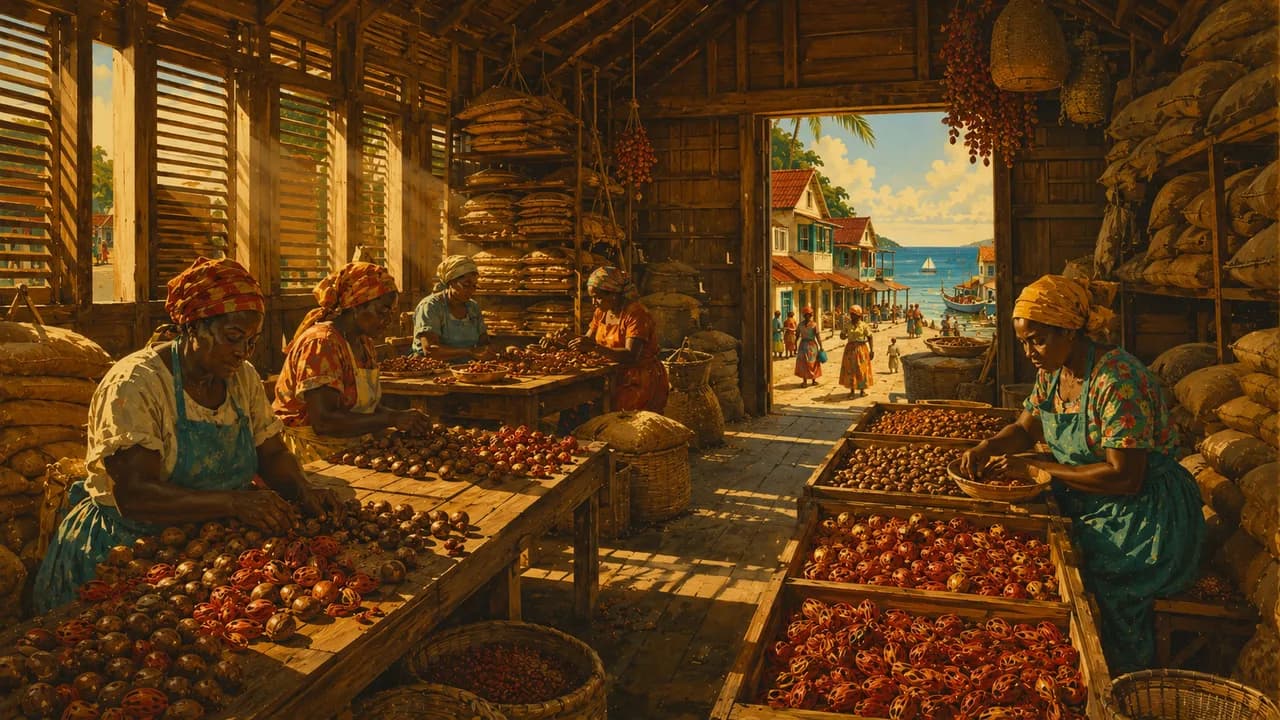
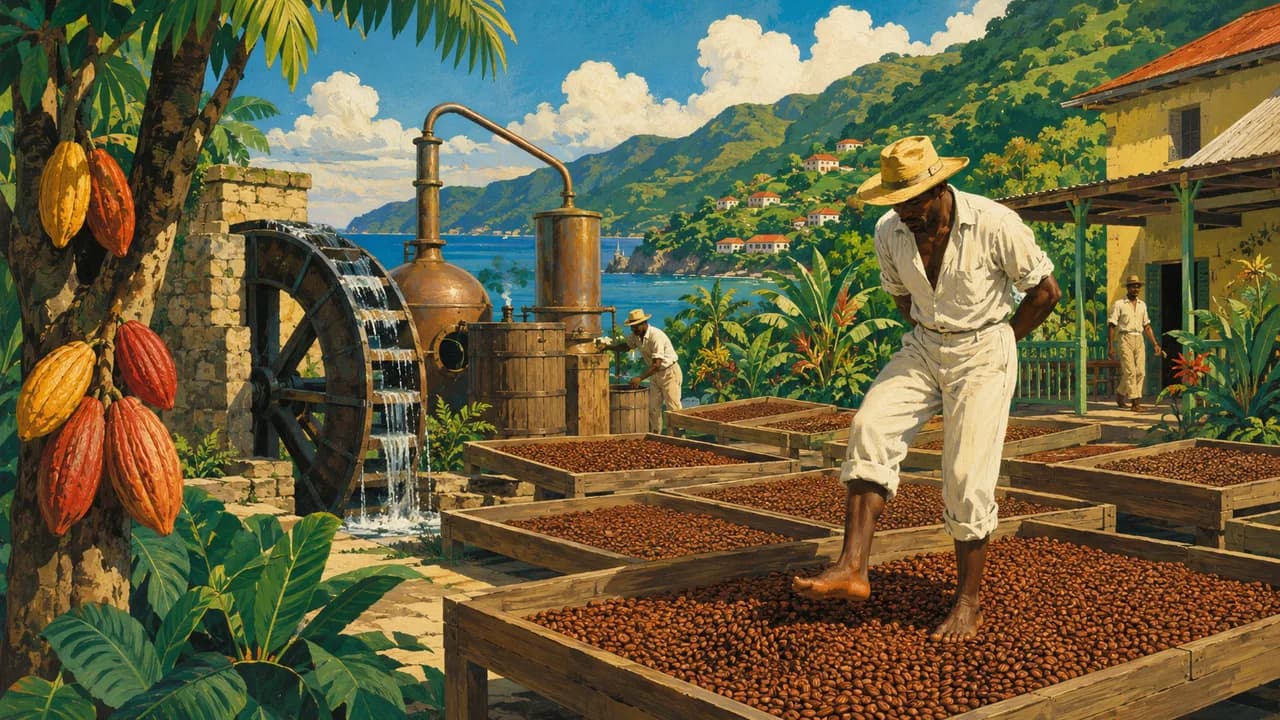
Spicemas carnival expresses Grenadian culture through music, costumes and community celebrations. The country’s traditions reflect African heritage, Indigenous roots and French and British colonial history. Cocoa estates and chocolate makers connect farming with local flavours. Oil down, a one-pot dish of breadfruit, coconut milk, vegetables and often salted meat, joins fresh fish and warming spices in Grenadian cooking.
AI edited
- 3
- Main islands Grenada, Carriacou and Petite Martinique are the country’s three principal islands. Smaller islands and islets also form part of the state.
- ≈ 109,000
- Population CSO preliminary 2021 census total of 109,021, including institutional and homeless residents. Rounded to 109,000, not a live estimate.
- 344 km²
- Area Approximate area of the country, including Grenada, Carriacou and Petite Martinique, excluding surrounding territorial waters.
- English
- Language English is the official language, used in administration, education and formal communication.
- Creole languages
- Other languages English-based Creole is part of everyday speech. French-based Patois also forms part of the island’s linguistic heritage.
- East Caribbean dollar (XCD)
- Currency East Caribbean dollar, code XCD, also written EC$. Shared with other members of the Eastern Caribbean Currency Union.
- G
- Socket type 230 V, 50 Hz. Type G uses three rectangular pins. An adaptor changes neither voltage nor frequency.
- St. George’s
- Capital St. George’s is the capital on the southwest coast, known for its Carenage harbour, markets and hillside streets.
- Left-hand traffic
- Driving side Traffic drives on the left throughout Grenada, Carriacou and Petite Martinique.
- UTC−4
- Time zone Atlantic Standard Time throughout the year, without daylight saving. Differences from browser and home time can change when those places switch clocks.
Grenada on the map

Map data: geoBoundaries (CC BY 4.0), © OpenStreetMap contributors (ODbL), Natural Earth
Climate and best time to travel
Grenada has a warm tropical climate. January to May is generally drier, June to December wetter. Inland forests are cooler and receive more rain than many coastal areas. Sheltered Caribbean bays contrast with the Atlantic-facing coast. Month labels are broad seasonal windows, not guarantees of sea conditions or wildlife sightings.