Puerto Rico
Rainforest and dry forest, historic coastal towns and luminous bays meet living music traditions and richly flavoured island cooking.
Worth coming back!
Wanderlama keeps growing with new destinations, helpful information and exciting features. Check back soon and discover what is new!
Travel to Puerto Rico
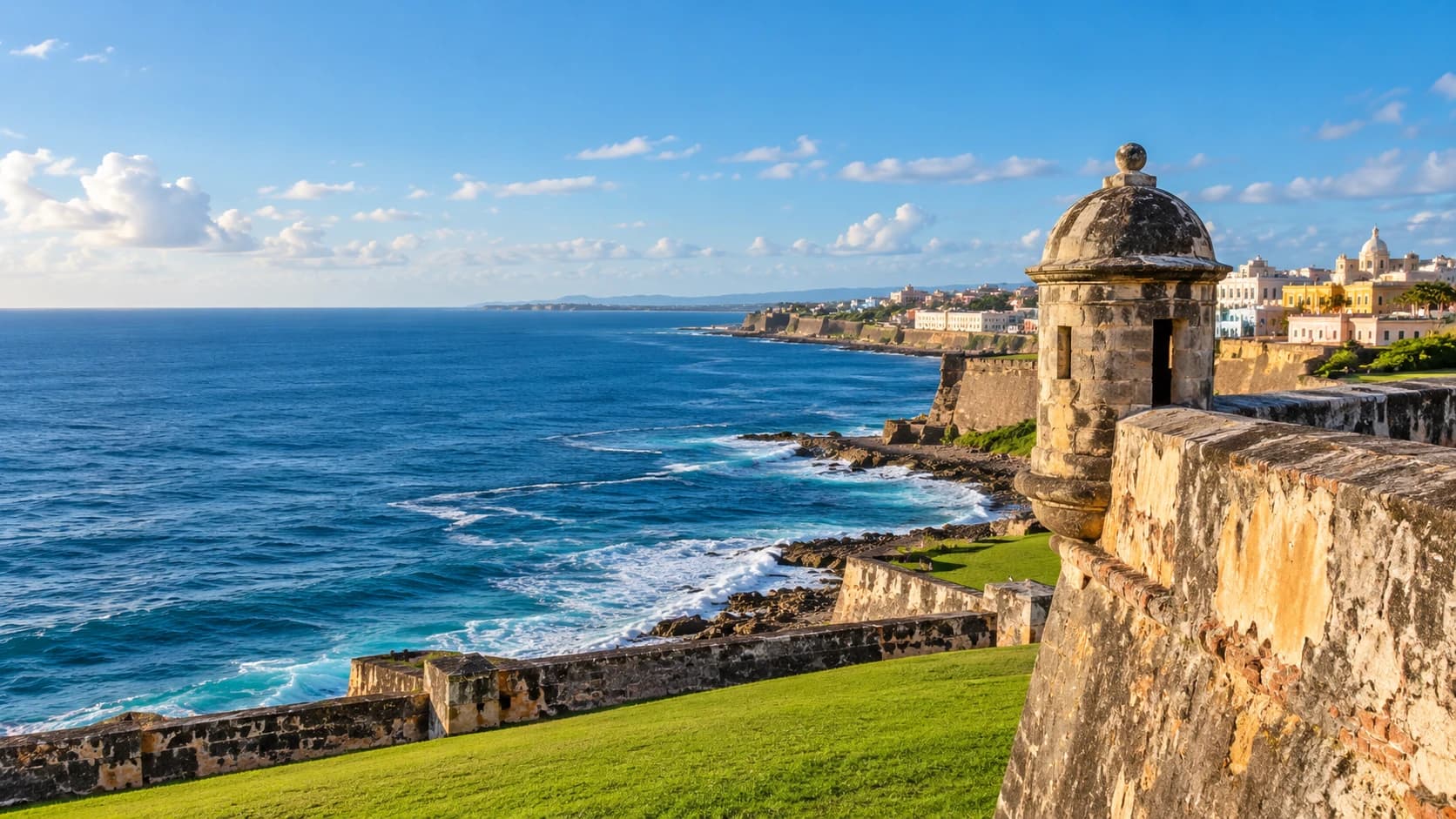
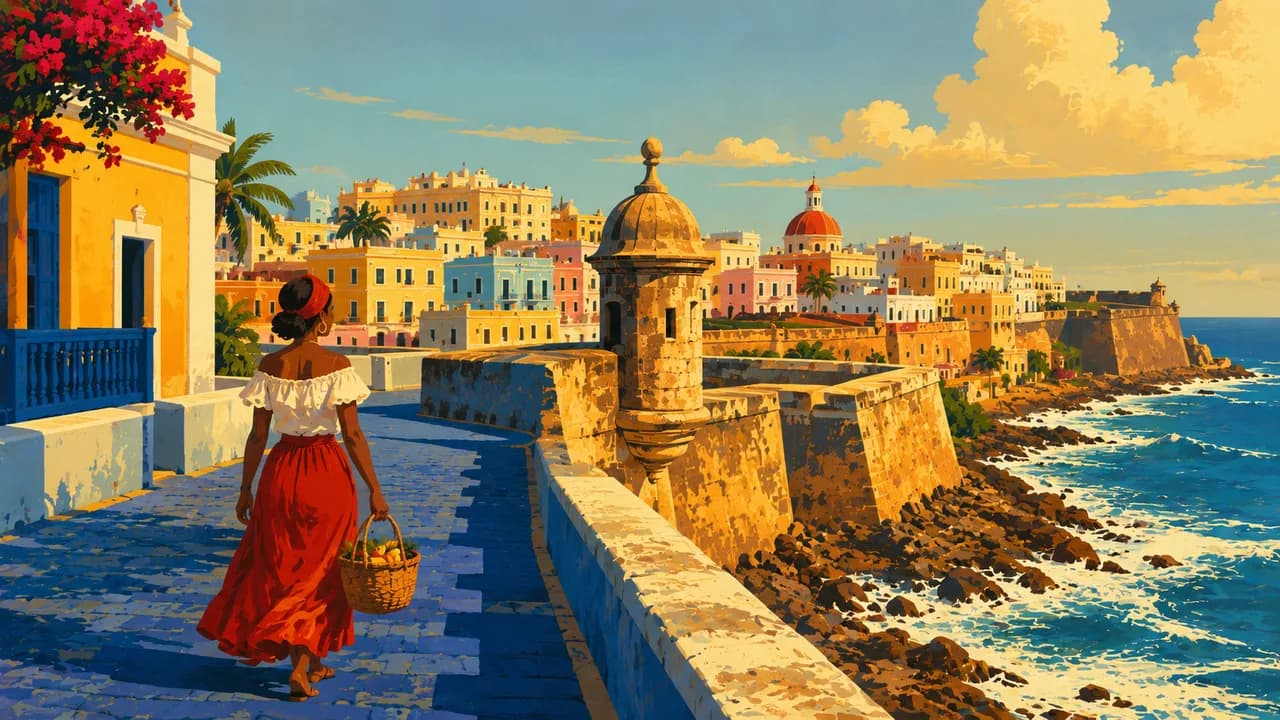
Puerto Rico is a Caribbean archipelago and a territory of the United States, with a distinctive Spanish-speaking culture. San Juan combines a lively capital with the colourful streets and waterfront walls of its old town. La Fortaleza and the San Juan National Historic Site form a UNESCO World Heritage property, including the fortresses of El Morro and San Cristóbal.
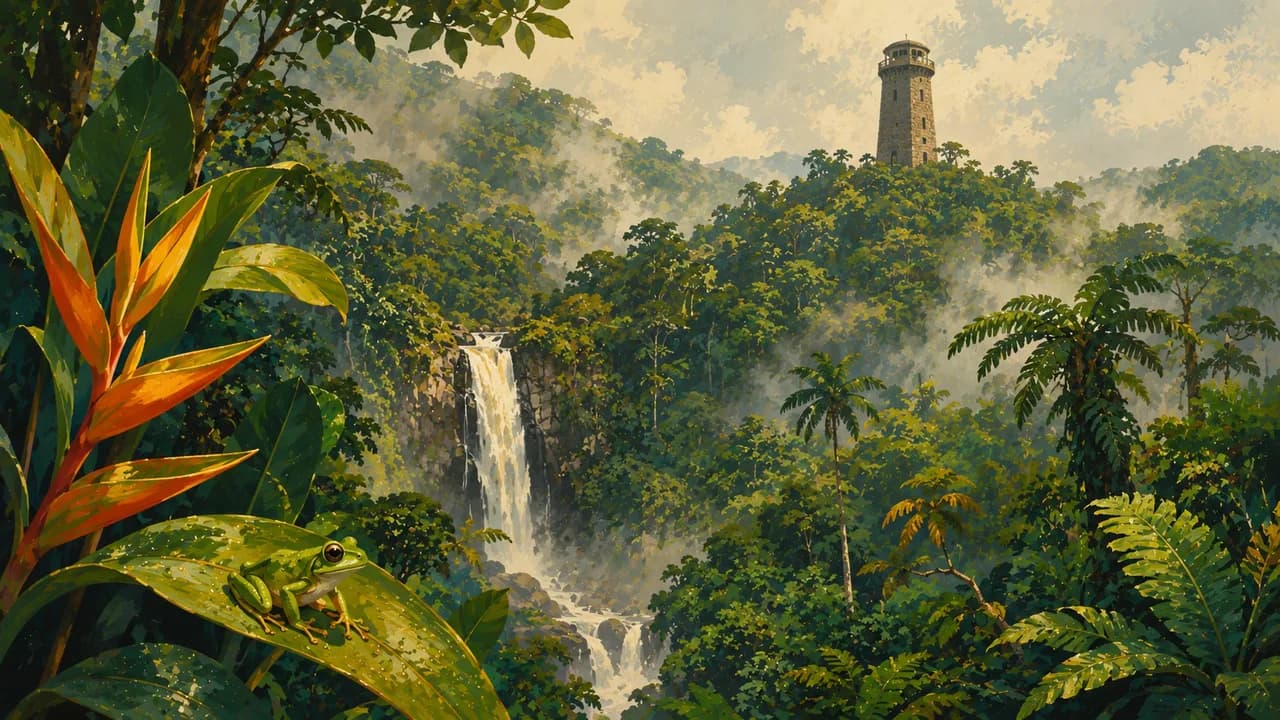
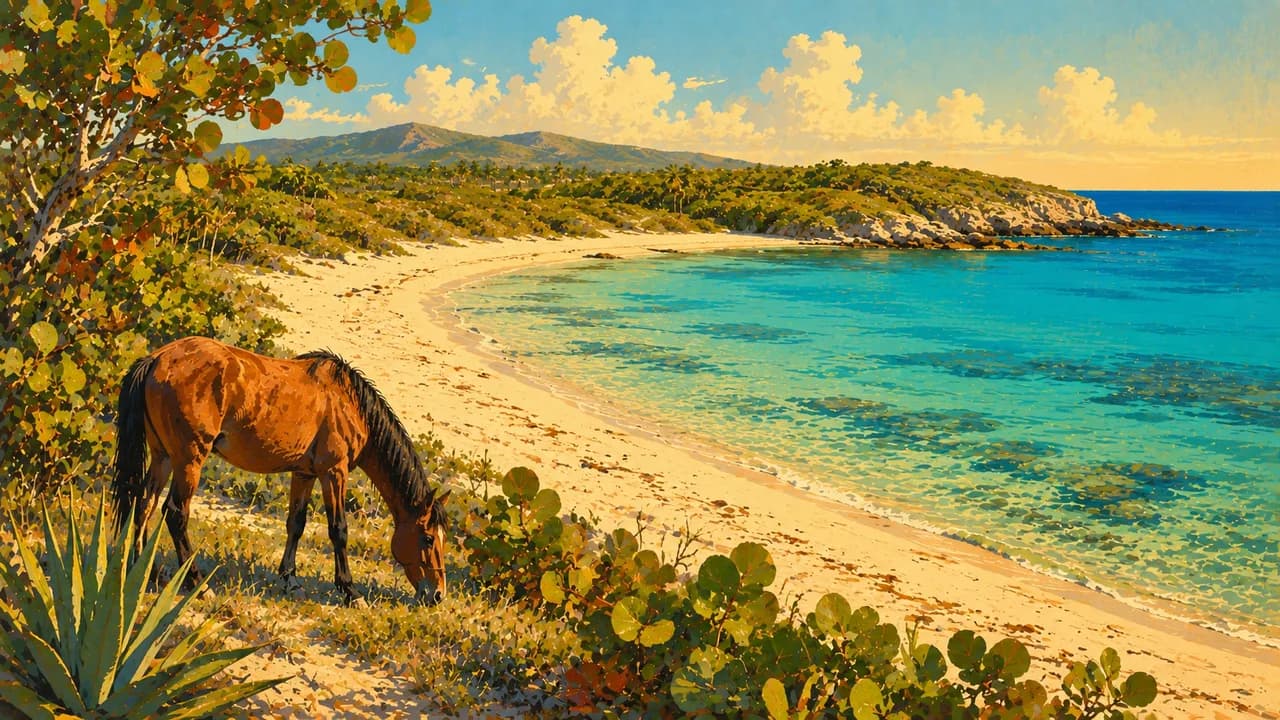
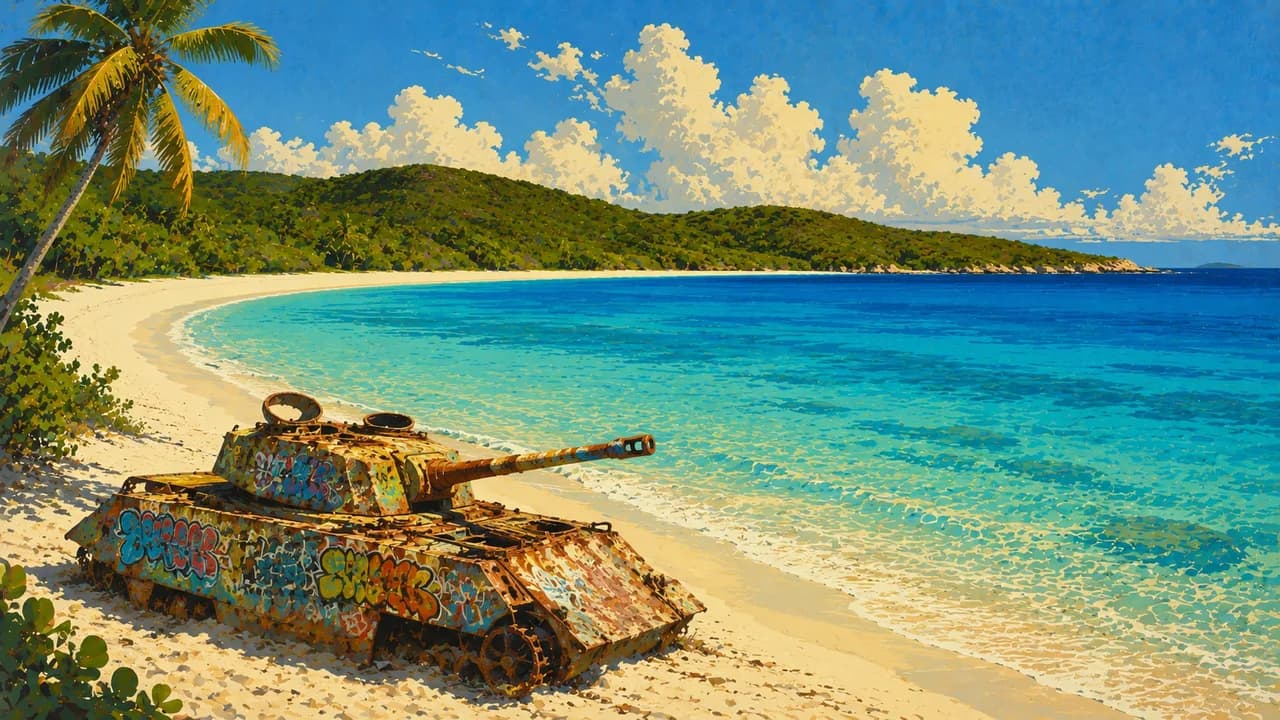
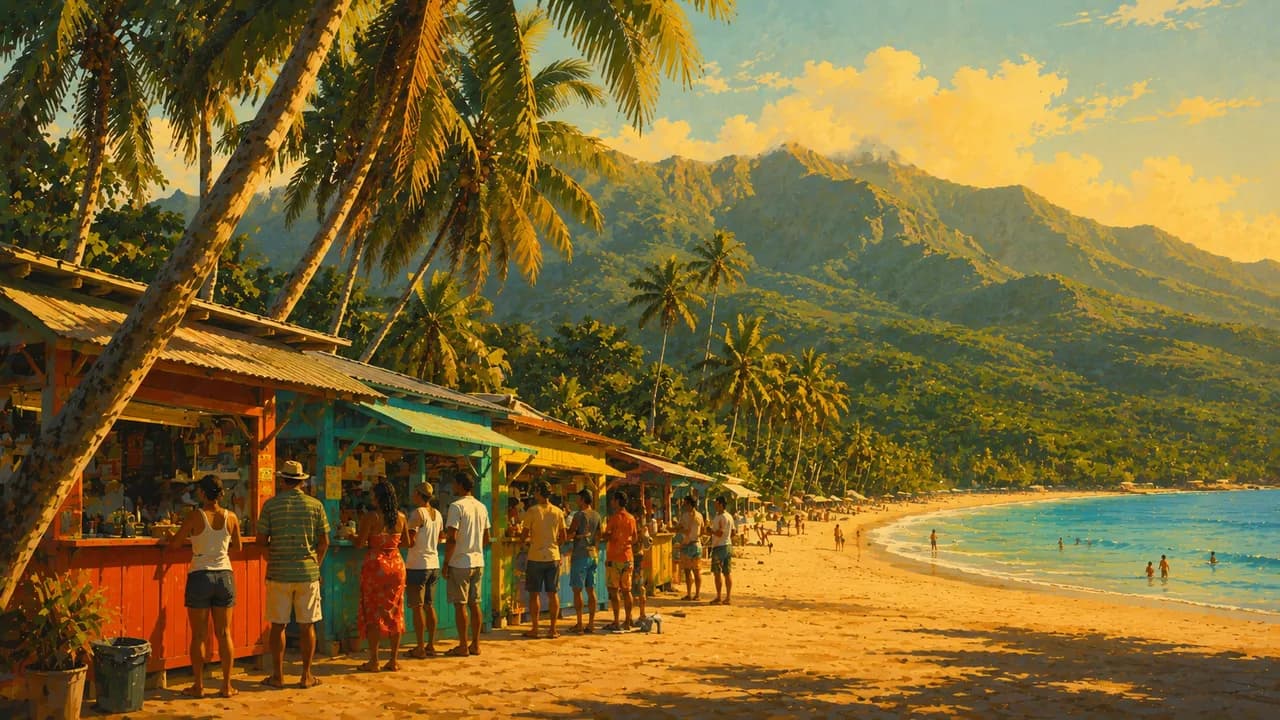
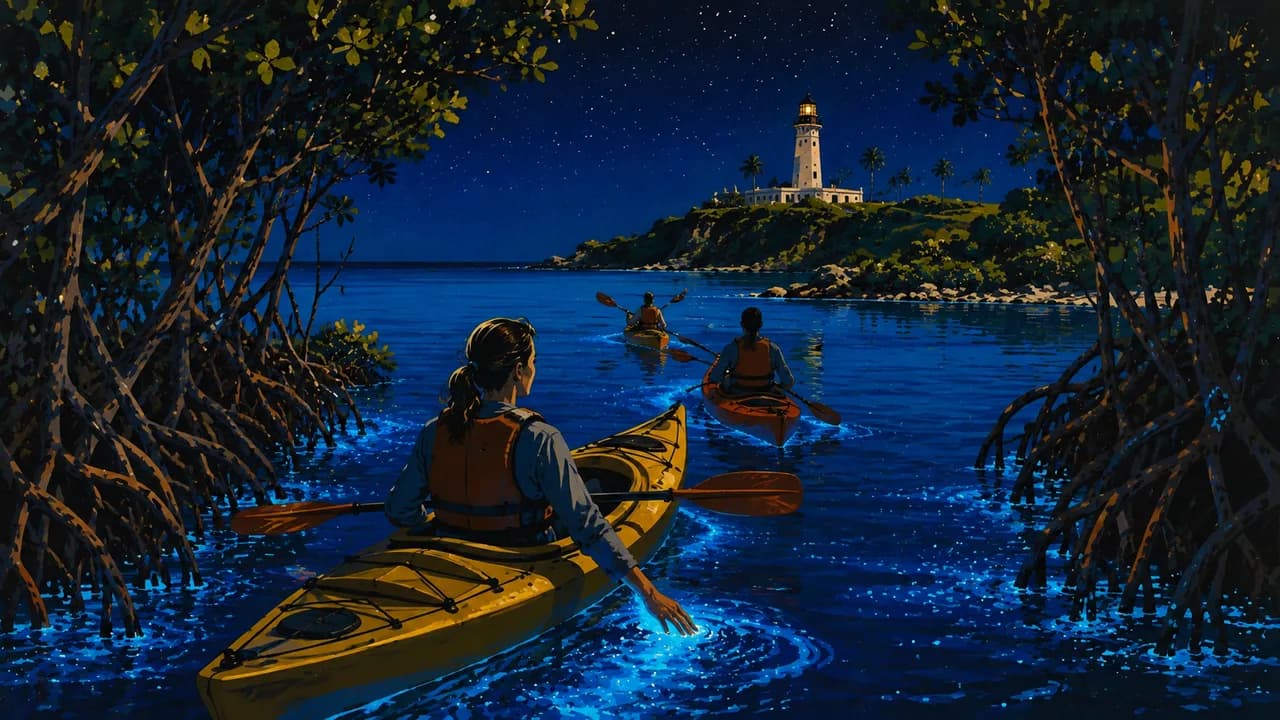
In the northeast, El Yunque protects the only tropical rainforest within the US National Forest System. Luquillo pairs beaches with food kiosks, while Fajardo is a gateway to coastal nature and offshore islands. Culebra has Flamenco Beach, and Vieques combines beaches with protected wildlife habitats. Mosquito Bay on Vieques, Laguna Grande near Fajardo and La Parguera near Lajas are known for bioluminescence, whose visibility depends on darkness and environmental conditions.
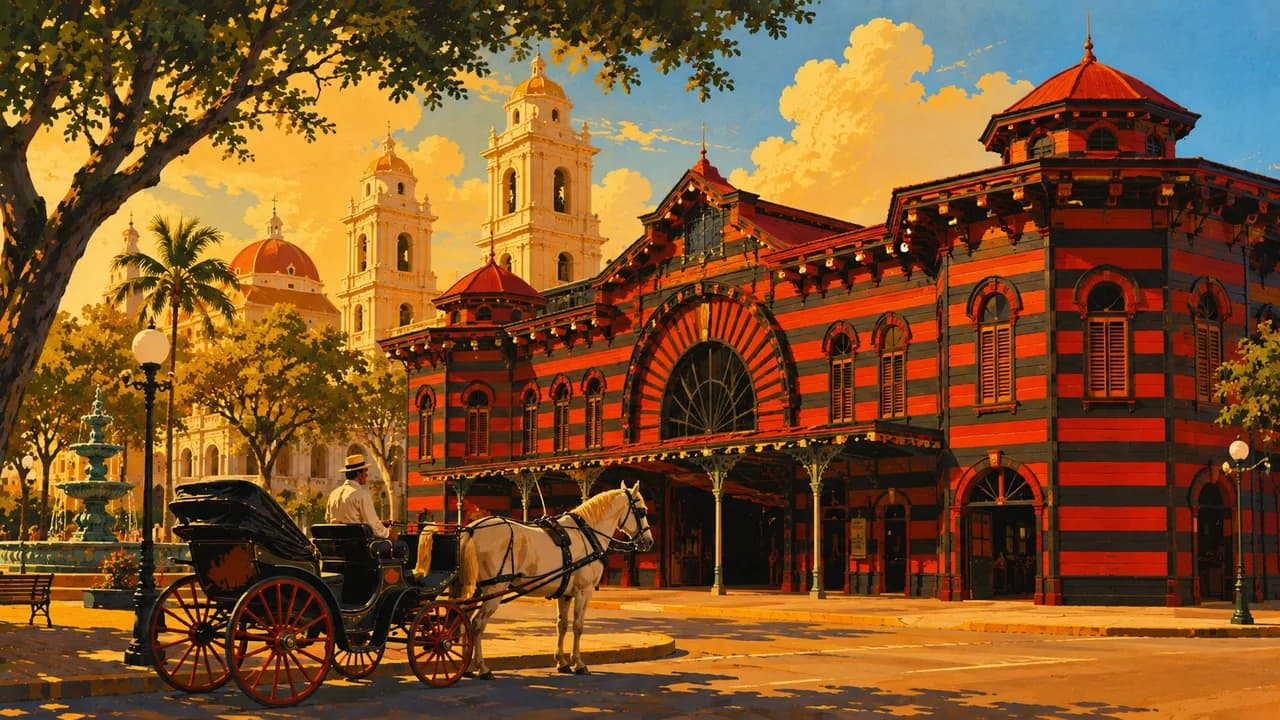
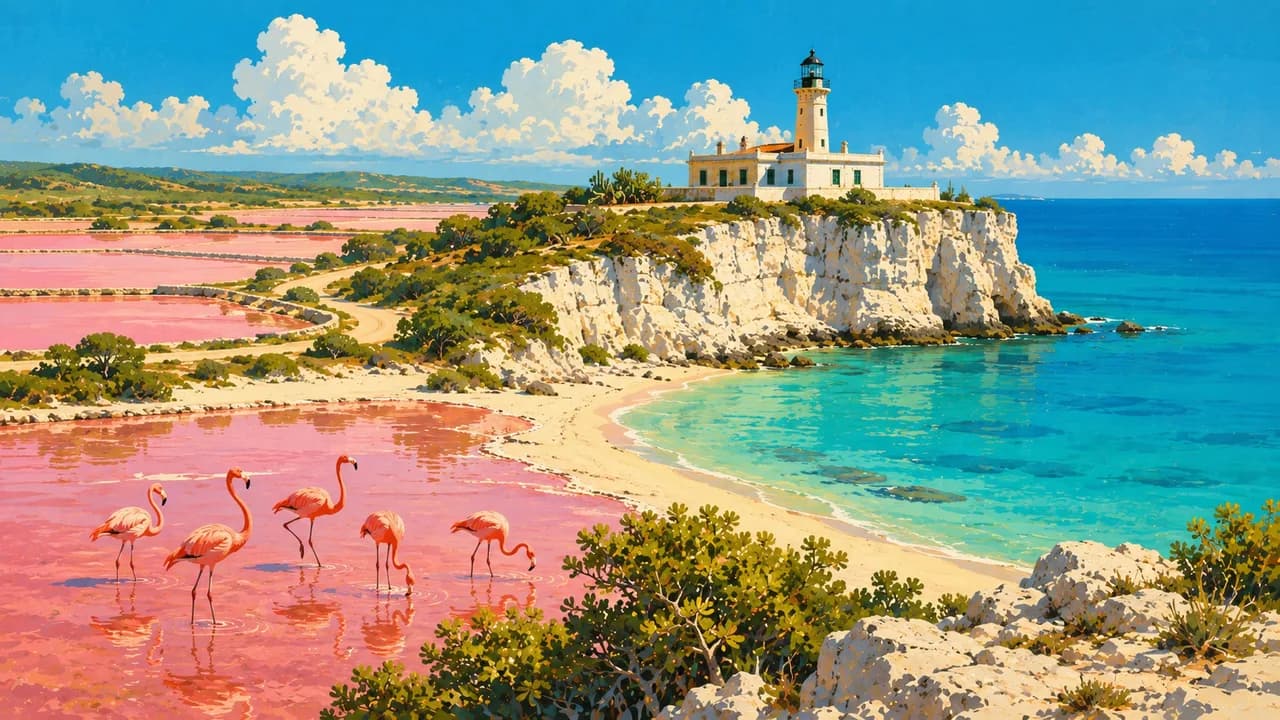
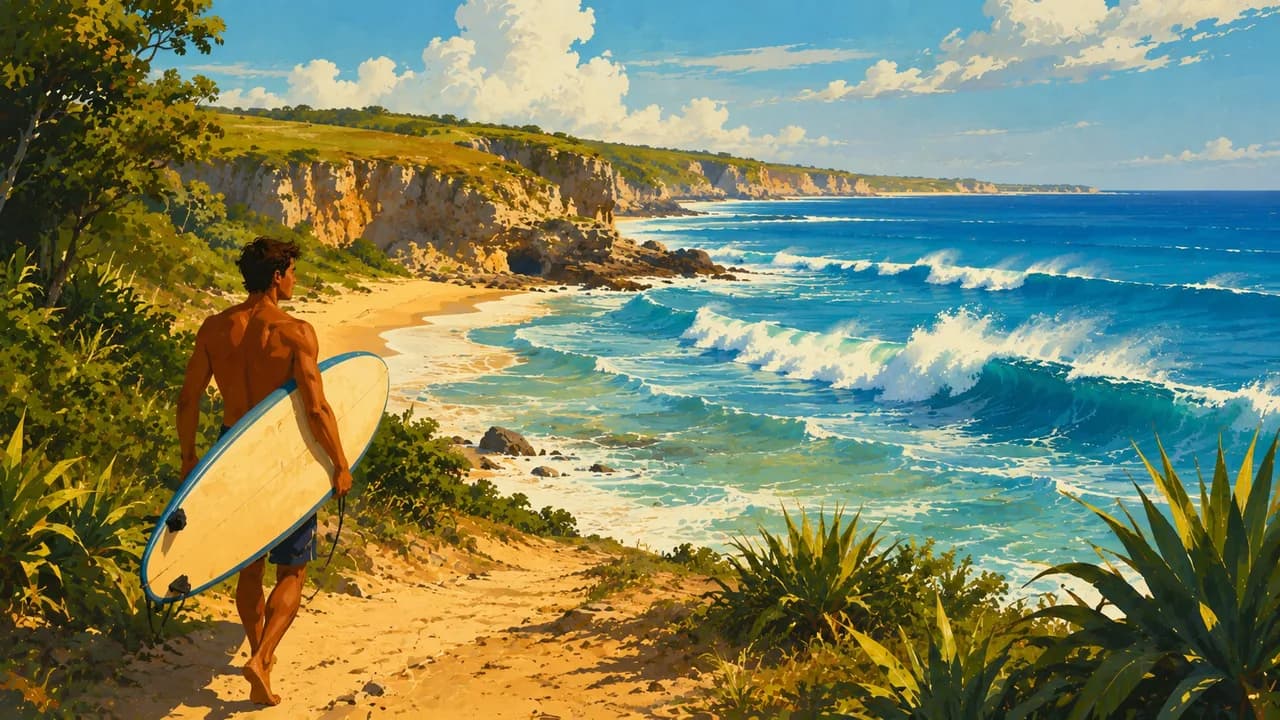
The west offers the Atlantic beaches of Isabela and the surf culture of Rincón. Cabo Rojo adds salt flats, coastal cliffs and bird habitats, while Guánica's dry forest contrasts with the wet northeast. San Germán preserves historic streets and Porta Coeli church, and Ponce brings southern architecture, plazas and museums into the picture.
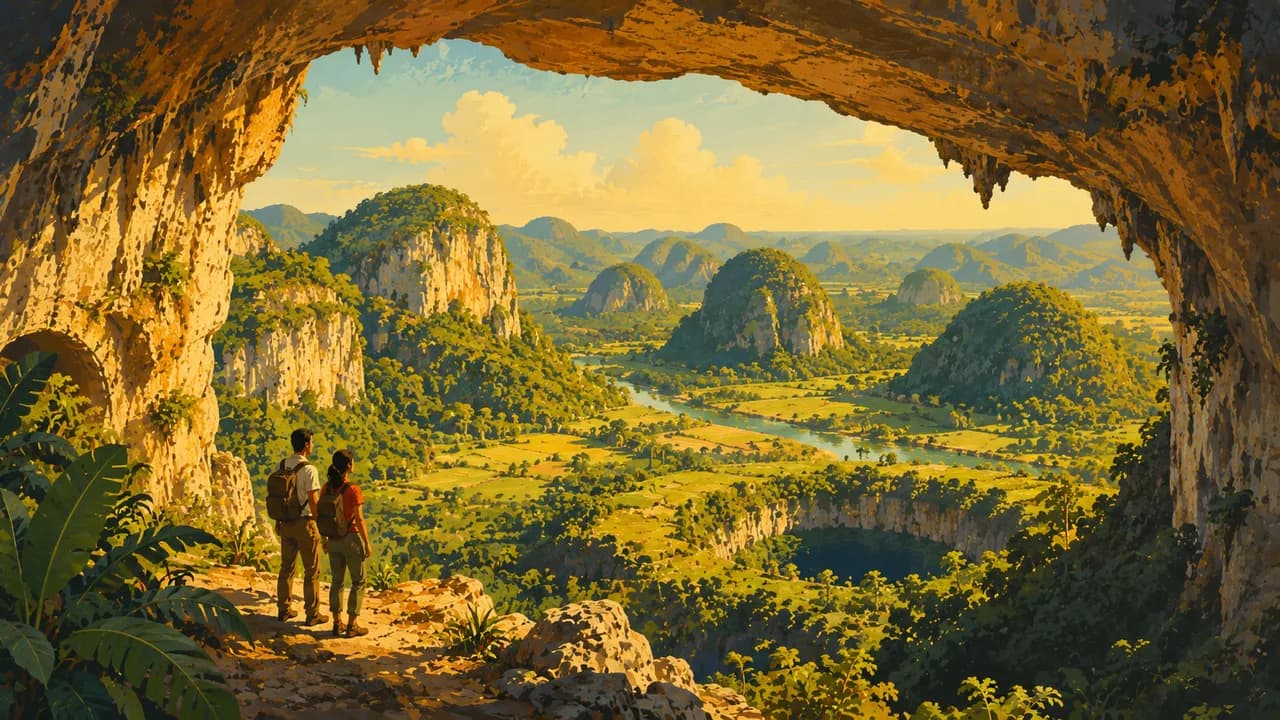
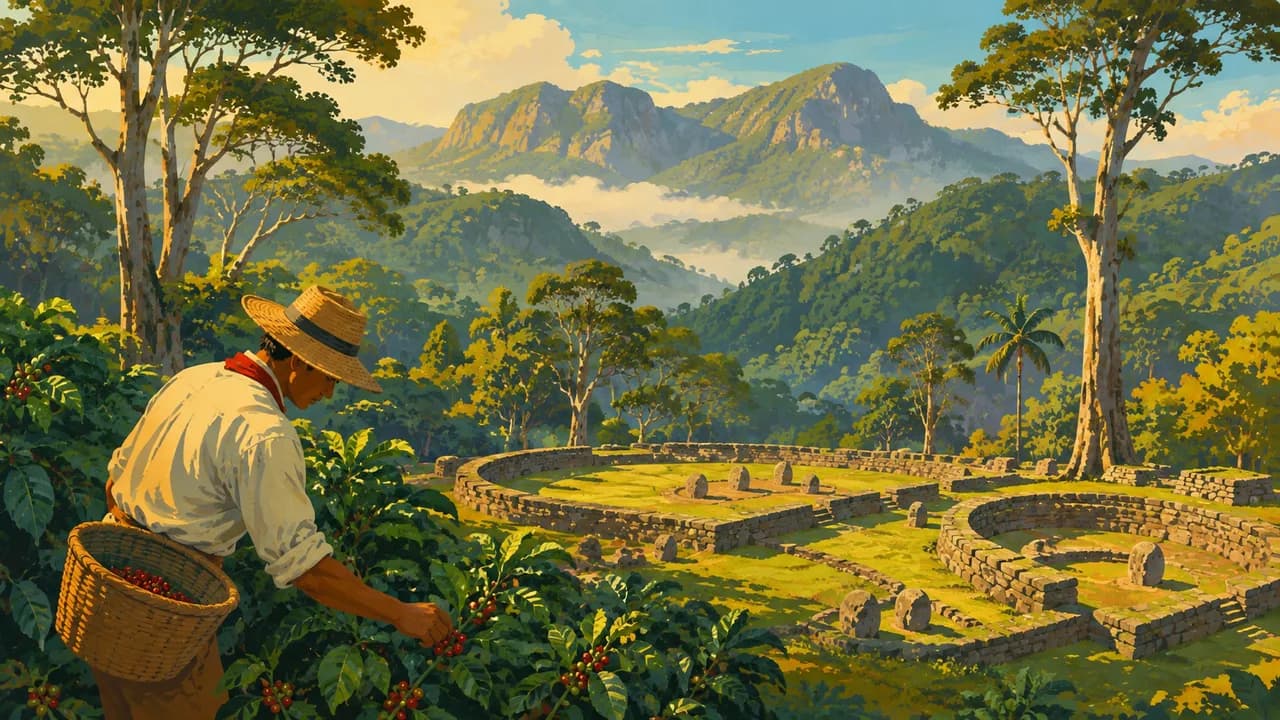
Around Arecibo and Camuy, limestone karst shapes caves and underground rivers. Inland, Utuado's Caguana ceremonial site preserves stone-lined ball courts and petroglyphs associated with Taíno heritage. Mountain roads, coffee farms and rural communities reveal a different side of the island from its coastal resorts.
Bomba, plena, salsa and reggaeton express different strands of Puerto Rican musical life. Mofongo, twice-fried tostones, roast pork and locally grown coffee broaden the culinary portrait. Allow time for island transfers and check local access restrictions, sea conditions and storm forecasts. Protected areas and closed former military sites require particular care, and neither calm swimming nor wildlife sightings should be assumed.
AI edited
- 78
- Municipalities Puerto Rico is a US territory divided into 78 municipalities. Vieques and Culebra are island municipalities, not separate countries.
- ≈ 3.29 million
- Population The US Census counted 3,285,874 residents in Puerto Rico in 2020. The rounded figure is a historical census count, not a current estimate.
- 8,868 km²
- Area UNdata lists a surface area of 8,868 km² for Puerto Rico. Area figures differ with statistical definitions and the inclusion of water.
- Spanish & English
- Languages Spanish and English are official languages. Spanish is more commonly spoken, and English proficiency should not be assumed everywhere.
- Spanish in daily life
- Other languages Spanish predominates in everyday life. English is used in many visitor-facing settings, but language skills vary by person and place.
- US dollar (USD)
- Currency The currency code is USD. Check payment methods, exchange rates and card fees rather than assuming every business accepts cards.
- A · B
- Socket types Plug types A and B, typically 120 V and 60 Hz. Check the actual supply and device compatibility. An adaptor converts neither voltage nor frequency.
- San Juan
- Capital San Juan is Puerto Rico's capital. La Fortaleza and San Juan National Historic Site form a UNESCO property, not the entire old town.
- Right-hand traffic
- Driving side Traffic drives on the right. Check local rules, vehicle equipment and road conditions, particularly on narrow mountain roads.
- UTC−4
- Time zone Atlantic Standard Time at UTC−4 year-round, without daylight saving. Differences from browser and home time can change when those locations switch clocks.
Puerto Rico on the map

Map data: geoBoundaries (CC BY 4.0), © OpenStreetMap contributors (ODbL), Natural Earth
Climate and best time to travel
December to April is often a relatively drier planning window, but the northeast remains wetter than the southwest. Rain, heat, swell and trail closures can affect trips throughout the year. The Atlantic hurricane season runs from June to November. Month labels are orientation, not guarantees of sunshine, safe swimming or access. Check forecasts, local warnings and protected-area rules. Bioluminescence depends on darkness and water conditions.
Destinations in Puerto Rico
 AI generated
 AI generated
 AI generated
 AI generated
 AI generated
 AI generated
 AI generated
 AI generated
 AI generated
 AI generated
 AI generated
 AI generated