Cuba
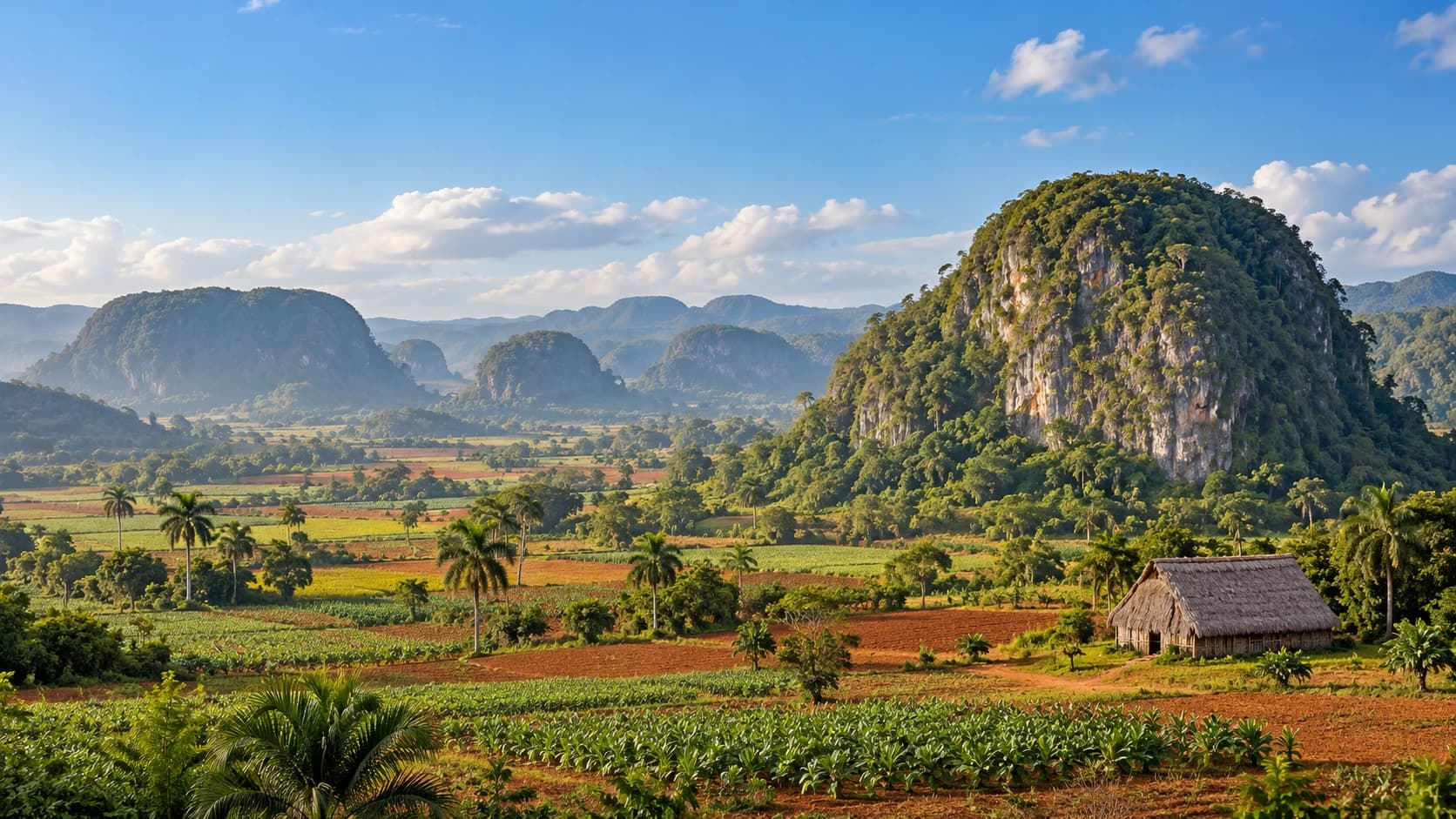
Historic cities, tobacco landscapes and living musical traditions form a cultural portrait.
Worth coming back!
Wanderlama keeps growing with new destinations, helpful information and exciting features. Check back soon and discover what is new!
Travel to Cuba
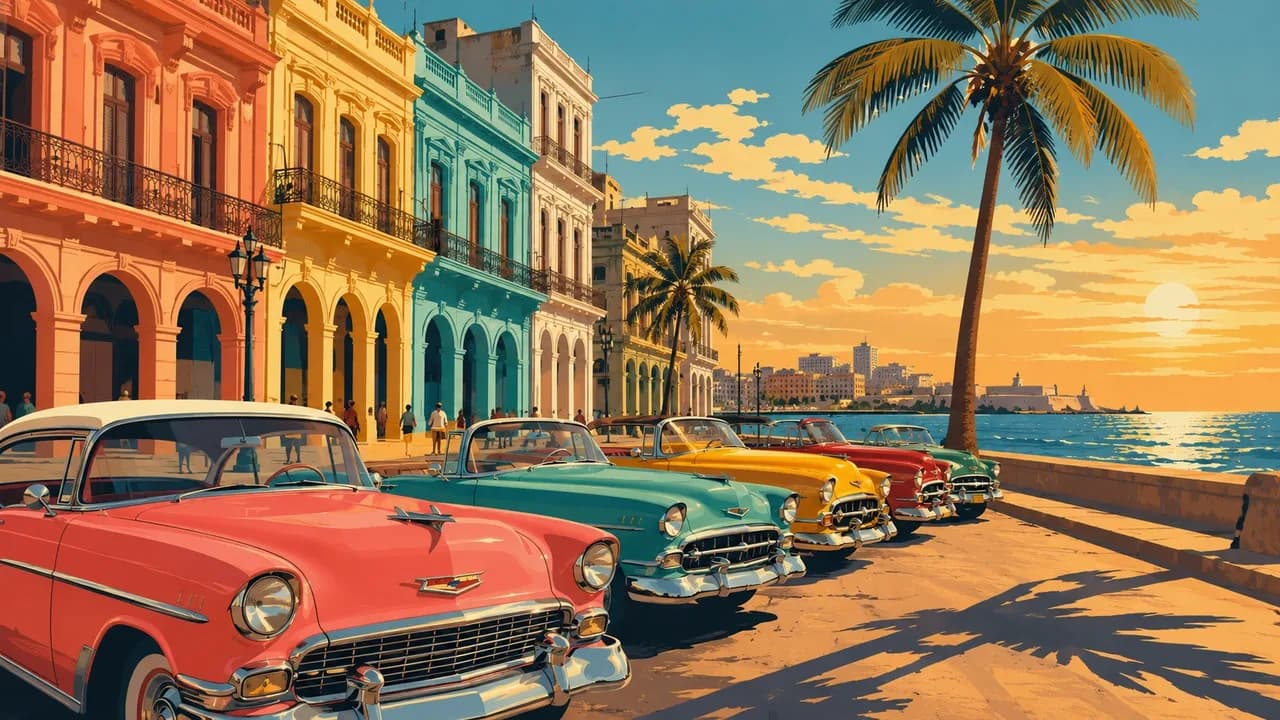
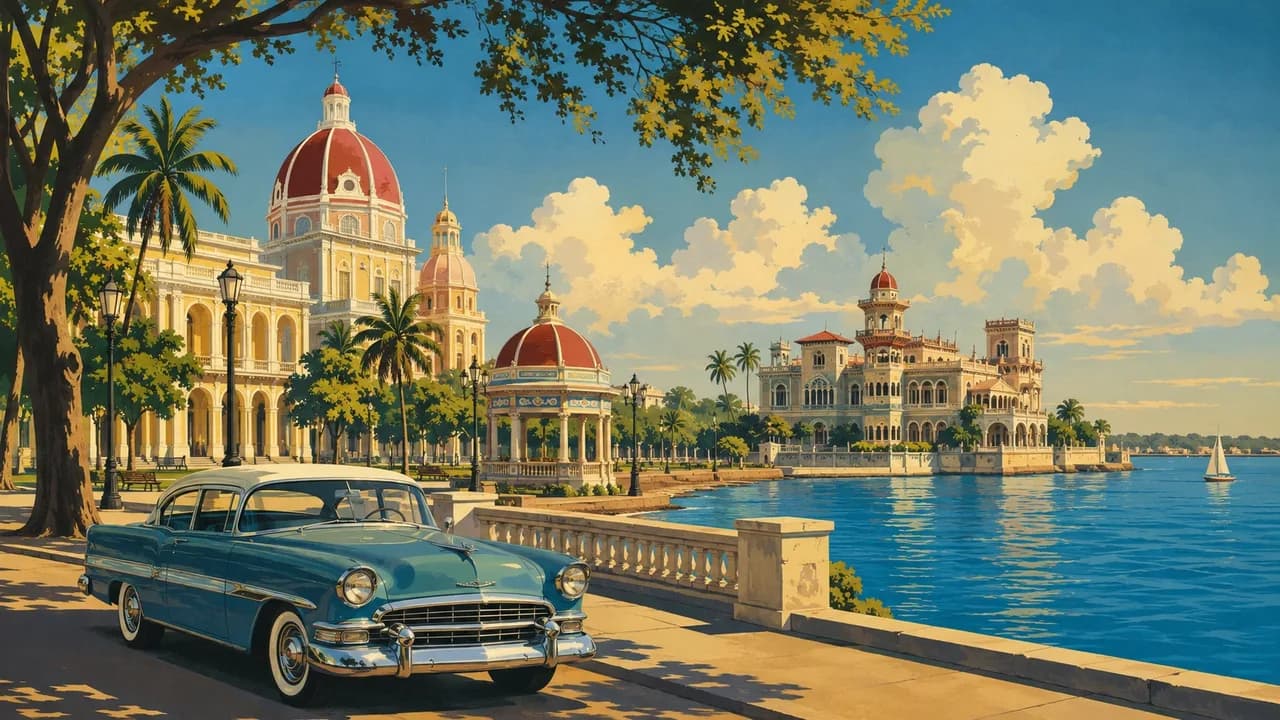
Cuba is the Caribbean's largest island, with historic cities, tobacco landscapes, coral cays and distinctive musical traditions. The capital Havana combines the UNESCO-listed old town and fortifications with the Malecón waterfront, museums and classic cars.
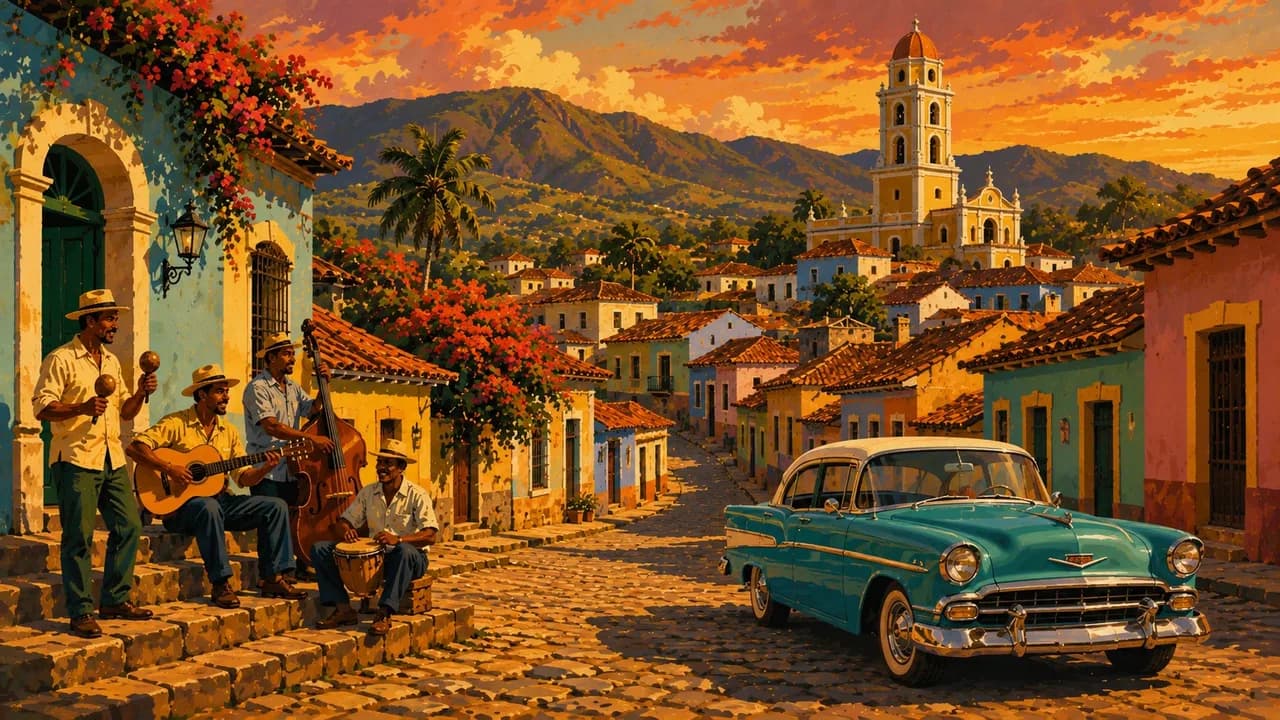
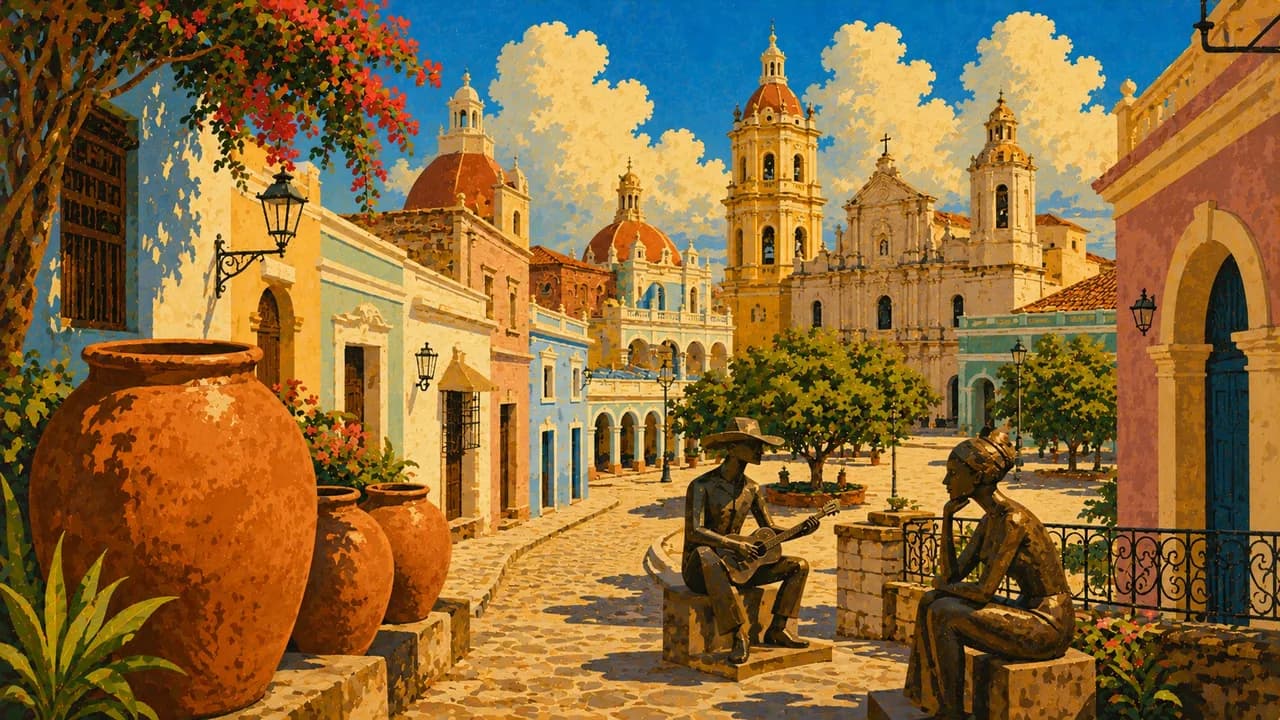
Cuban culture draws on Afro-Cuban traditions, colonial history and Caribbean connections. Music, dance and visual arts belong to everyday life alongside markets, coffee houses and family-run businesses. Historic urban quarters and rural cultural landscapes show different sides of an island whose heritage extends beyond beaches and classic cars.
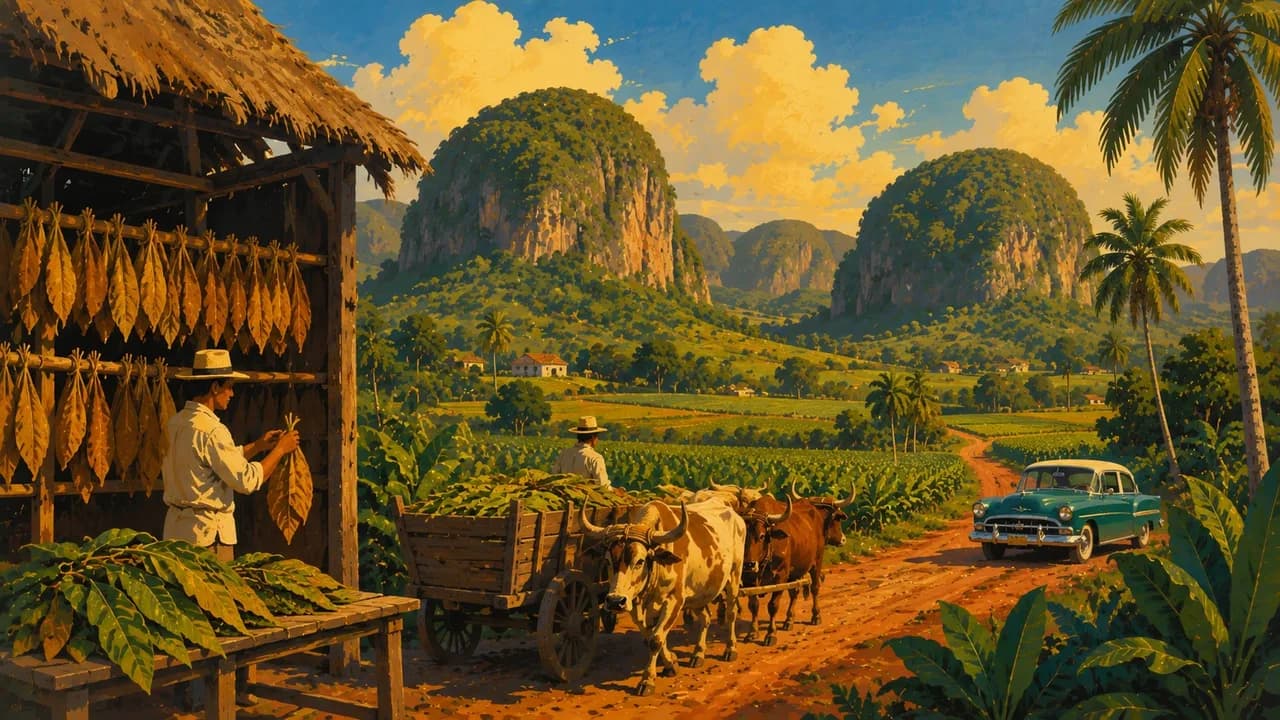
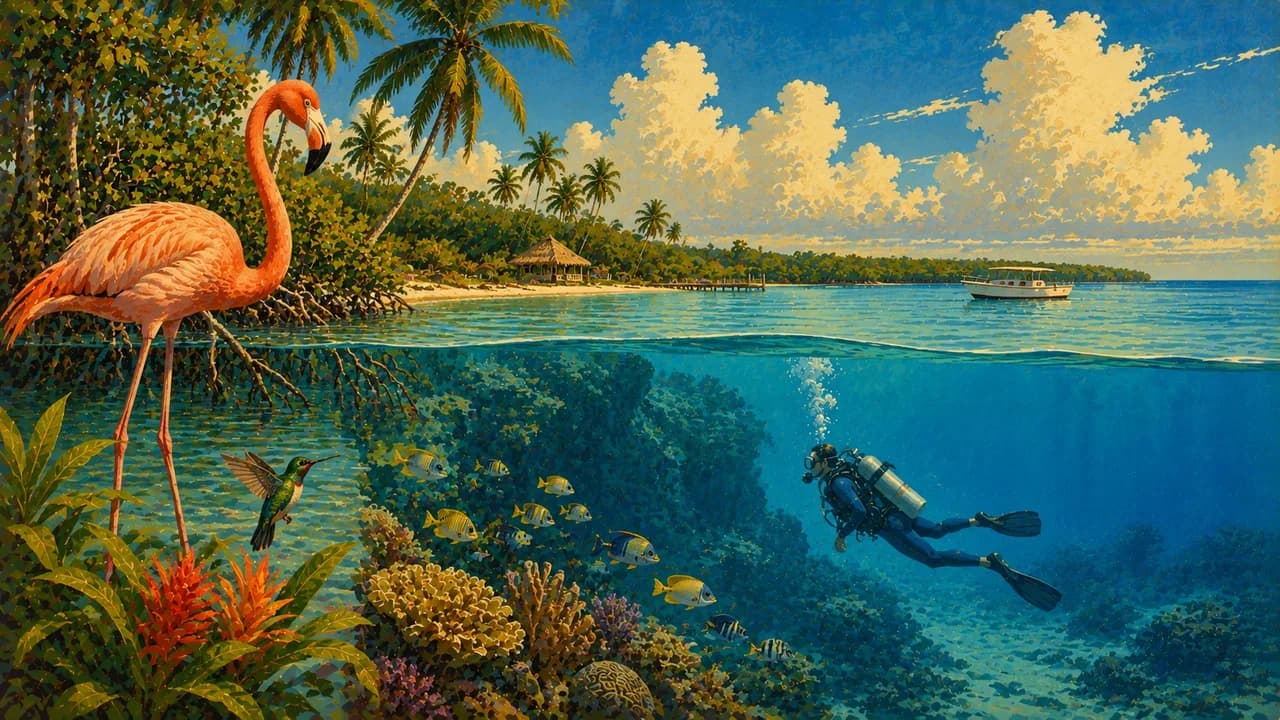
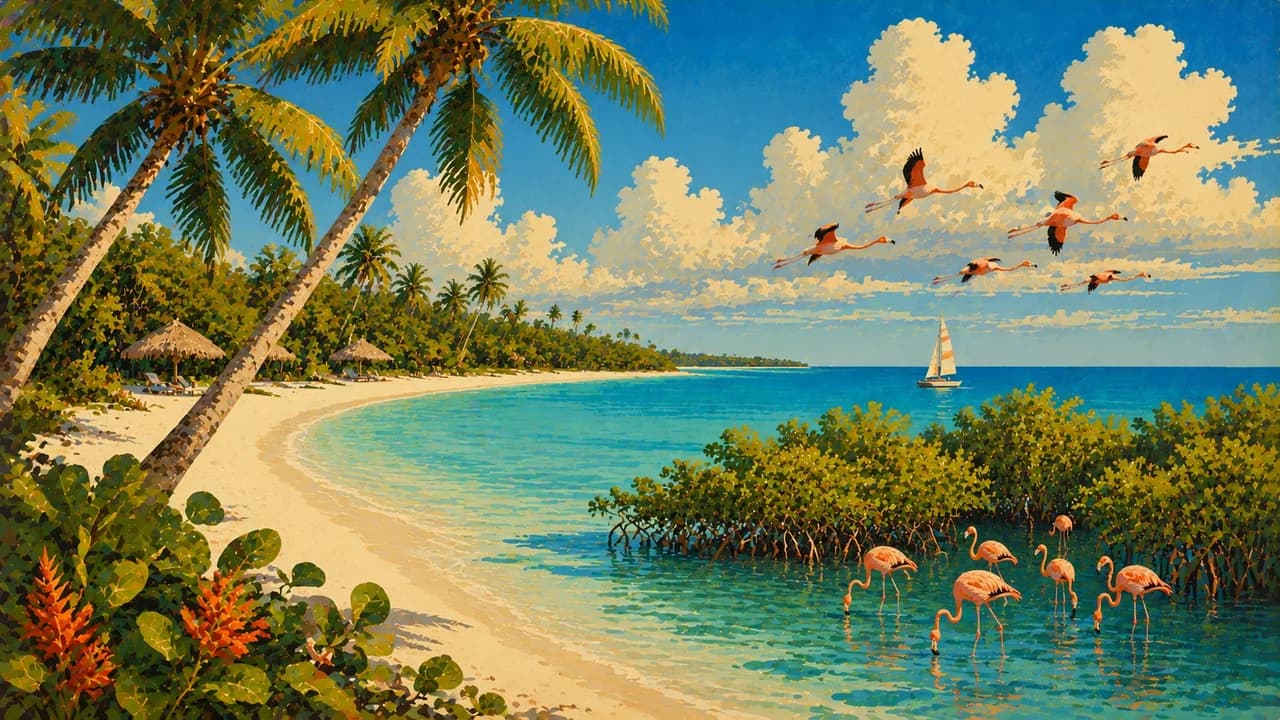
In the west, Viñales Valley combines tobacco farming and limestone hills, while Las Terrazas adds forest landscapes. The Ciénaga de Zapata wetlands near the Bay of Pigs support birdlife. Cienfuegos and Camagüey have UNESCO-listed historic centres. Trinidad and the Valley de los Ingenios preserve sugar-industry heritage inseparable from slavery, with mountain landscapes around Topes de Collantes nearby. Santa Clara and Bayamo add perspectives on revolutionary and independence history.
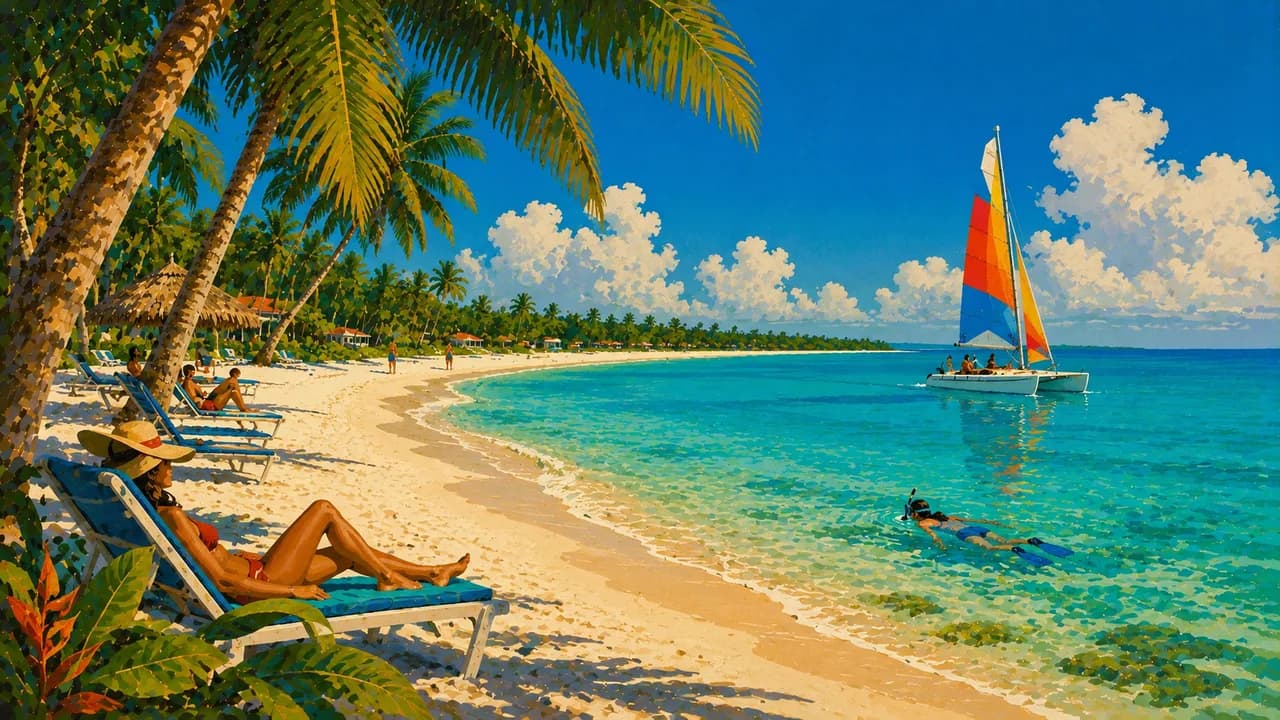
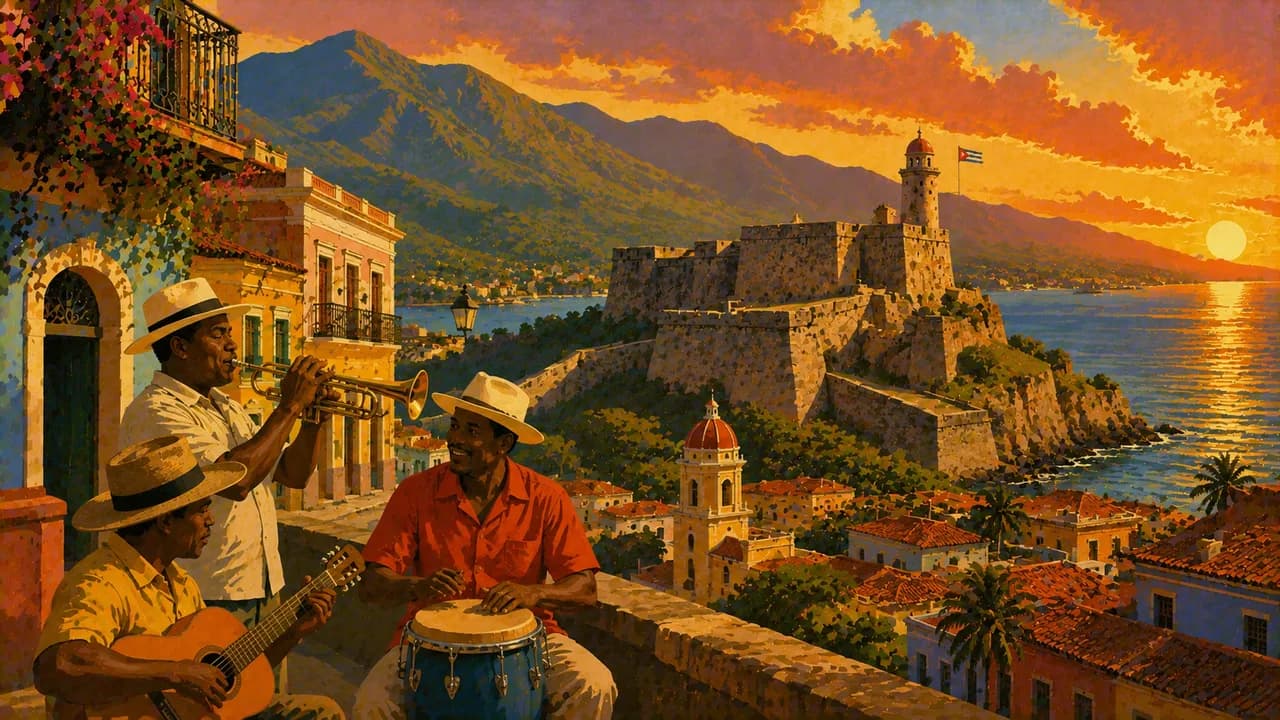
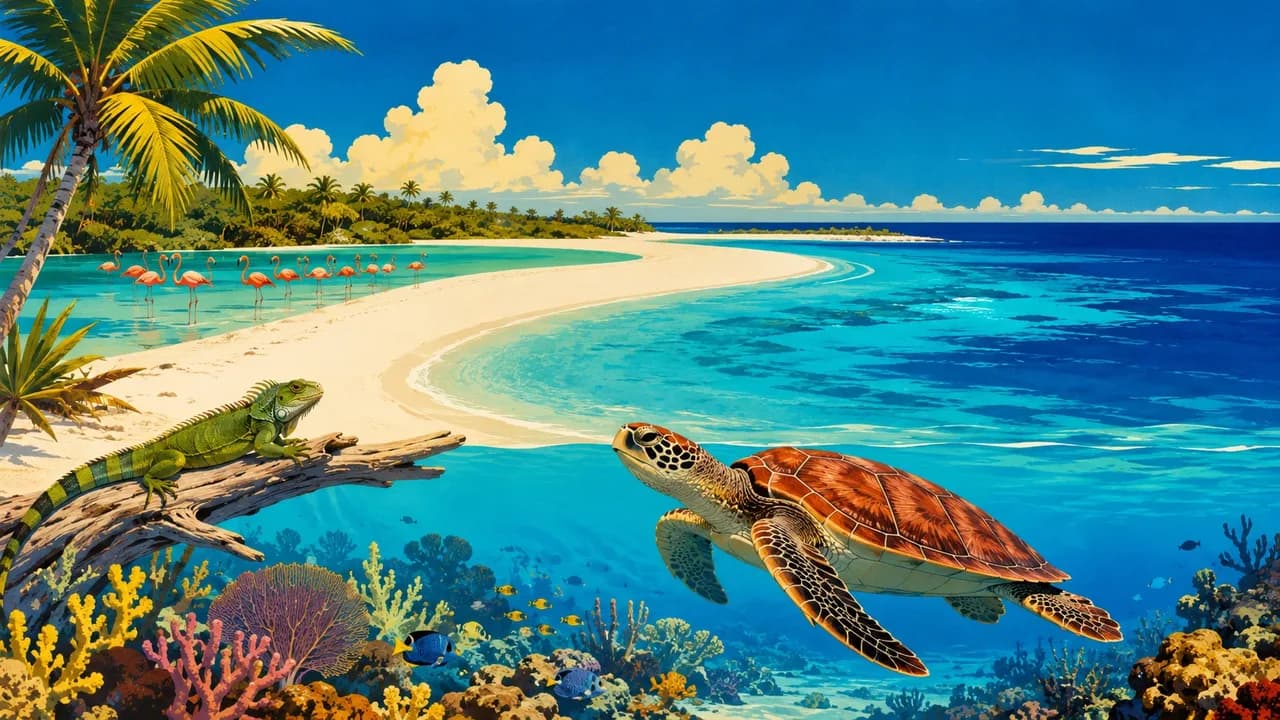
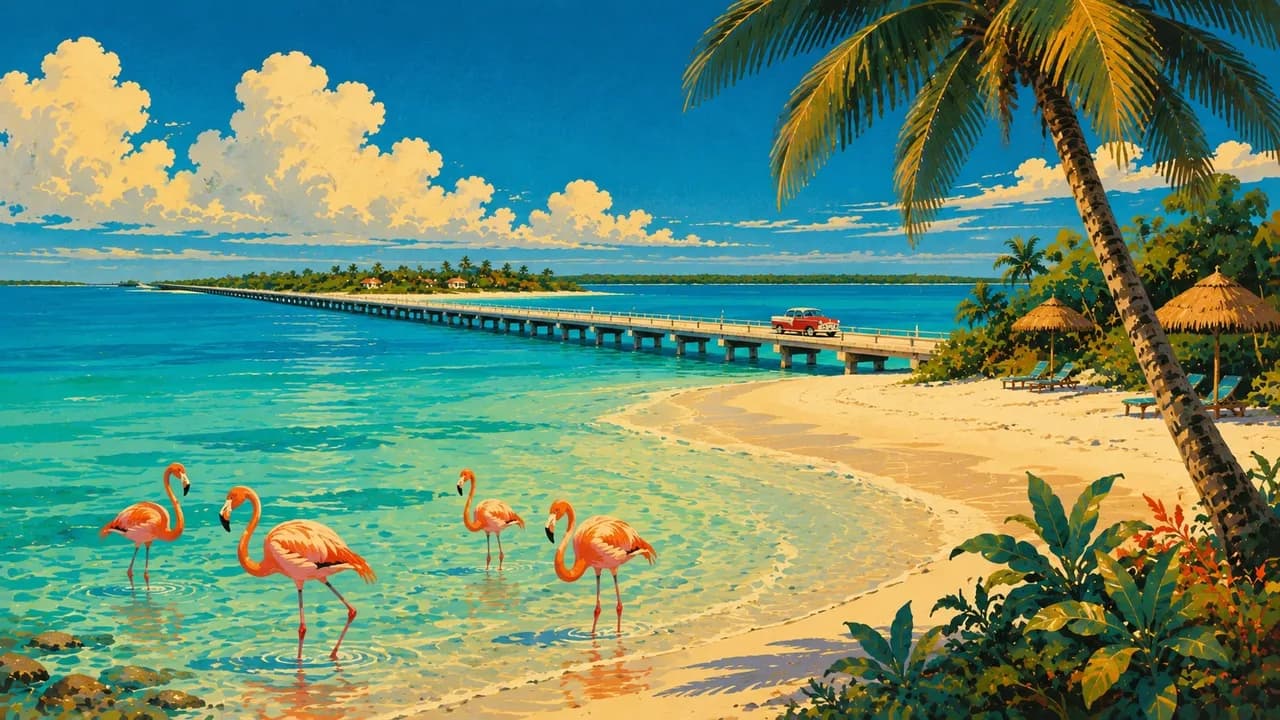
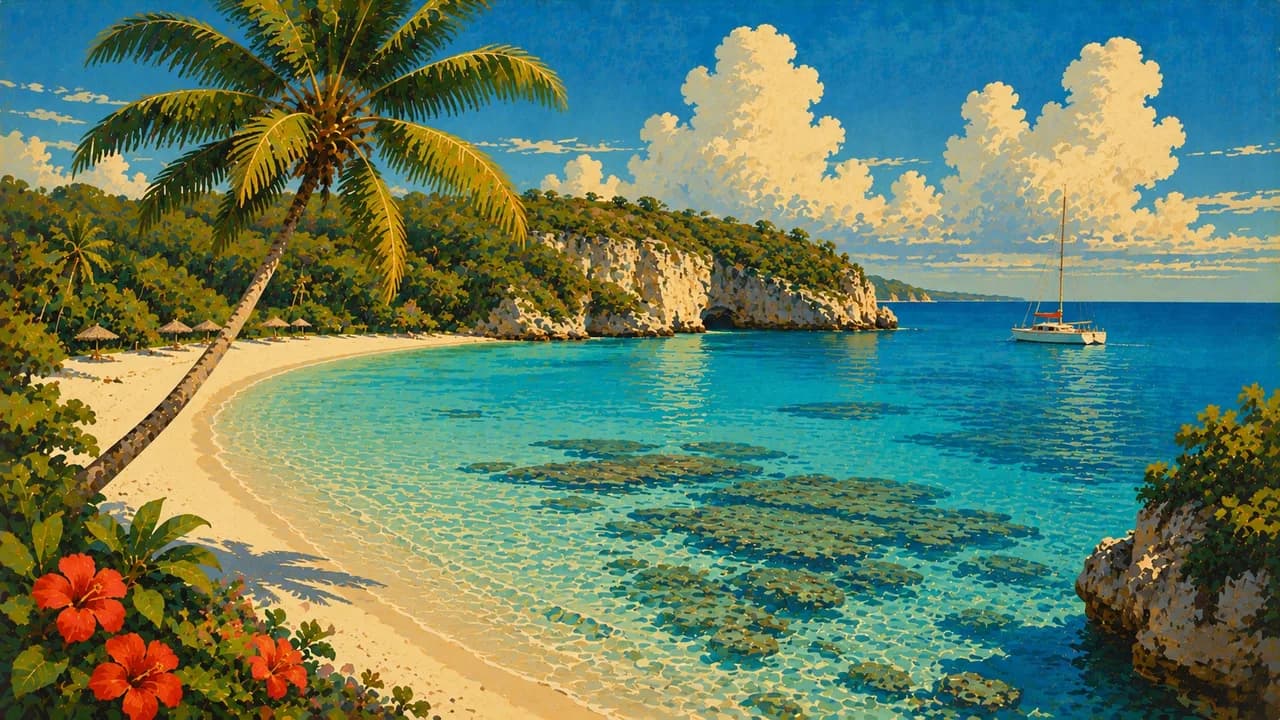
Santiago de Cuba brings together Afro-Cuban cultural traditions and the San Pedro de la Roca fortress. Baracoa's rivers, cacao and coconut food traditions contrast with the biodiverse forests of Alejandro de Humboldt National Park. Varadero, Guardalavaca and northern cays such as Cayo Coco and Cayo Santa María represent beach landscapes. Isla de la Juventud and Cayo Largo del Sur add offshore settings, not assurances of connections or access.
Son, rumba, dance, visual arts, coffee and rum express living culture beyond resort entertainment. Rice and beans, ajiaco and cassava dishes illustrate regional cooking, while casas particulares and paladares are private guesthouses and restaurants. Protected-area rules, community consent and hurricane conditions matter, and wildlife sightings cannot be promised.
AI edited
- 15
- Provinces Cuba has 15 provinces and the separate special municipality of Isla de la Juventud. Administrative divisions establish neither safe nor available access.
- ≈ 10.9 million
- Population Rounded from UNdata's projection of 10.937 million for 2025. A model-based comparison figure, not a current census or a count of people actually present.
- ≈ 109,884 km²
- Area UNdata gives a surface area of 109,884 square kilometres. Cuba includes other islands and cays as well as the main island.
- Spanish
- Language Spanish is the official language. Cuban varieties and regional expressions form part of everyday speech.
- English
- Other languages English may be useful in some contacts. Proficiency should not be assumed everywhere and does not imply additional official status.
- Cuban peso (CUP)
- Currency The national currency is CUP. Foreign-currency quotations and actual payment options differ.
- A · B · C · L
- Socket types Electrical Safety First lists A, B, C and L at 110 V and 60 Hz. Some local outlets may supply 220 V. Check supply and device compatibility, an adaptor does not convert voltage.
- Havana
- Capital Havana, La Habana in Spanish, is the capital. Mentioning museums and buildings does not establish opening or reliable services.
- Right-hand traffic
- Driving side Traffic drives on the right. Fuel shortages, road conditions and lighting failures can disrupt journeys. Do not assume tours or rental cars are available.
- UTC−5 / UTC−4
- Time zone One time zone with seasonal UTC−5/UTC−4 changes, calculated using America/Havana. Differences from your browser and saved home location can change around clock transitions.
Cuba on the map

Map data: geoBoundaries (CC BY 4.0), © OpenStreetMap contributors (ODbL), Natural Earth
Climate and best time to travel
Cuba has a tropical climate with regional differences and cooler uplands. November to April is often relatively drier. Higher rainfall and the Atlantic hurricane season shape the period from June to November. Coasts, wetlands, tobacco landscapes and mountain forests form contrasting natural regions.
Destinations in Cuba
 AI generated
 AI generated
 AI generated
 AI generated
 AI generated
 AI generated
 AI generated
 AI generated
 AI generated
 AI generated
 AI generated
 AI generated