Cayman Islands
Three Caribbean islands combine coral reefs and limestone shores with rare wildlife, maritime heritage and island cooking.
Worth coming back!
Wanderlama keeps growing with new destinations, helpful information and exciting features. Check back soon and discover what is new!
Travel to the Cayman Islands
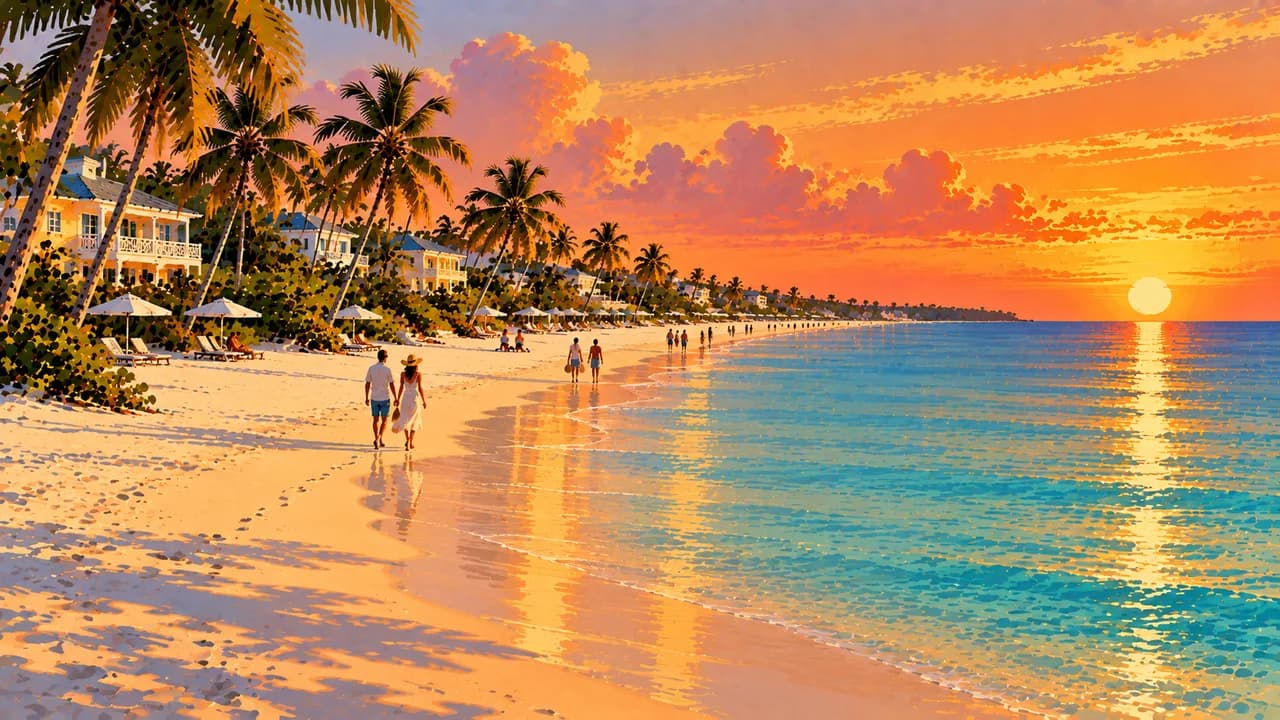
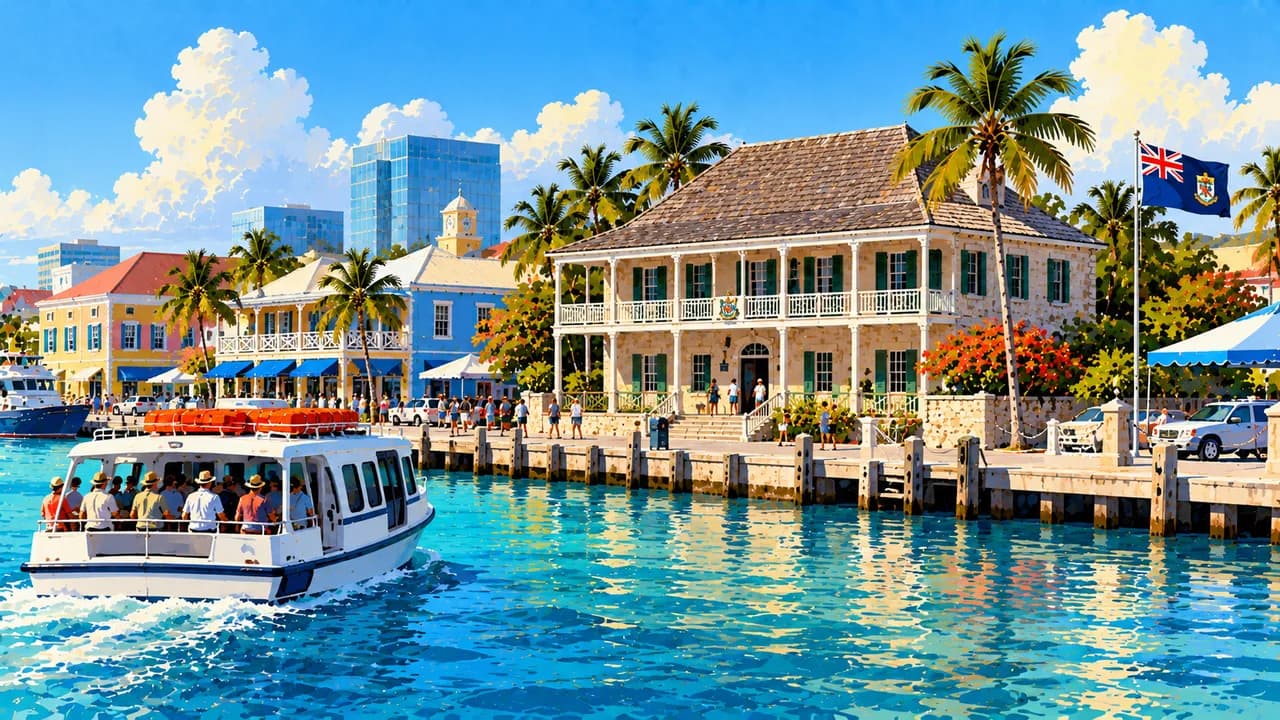
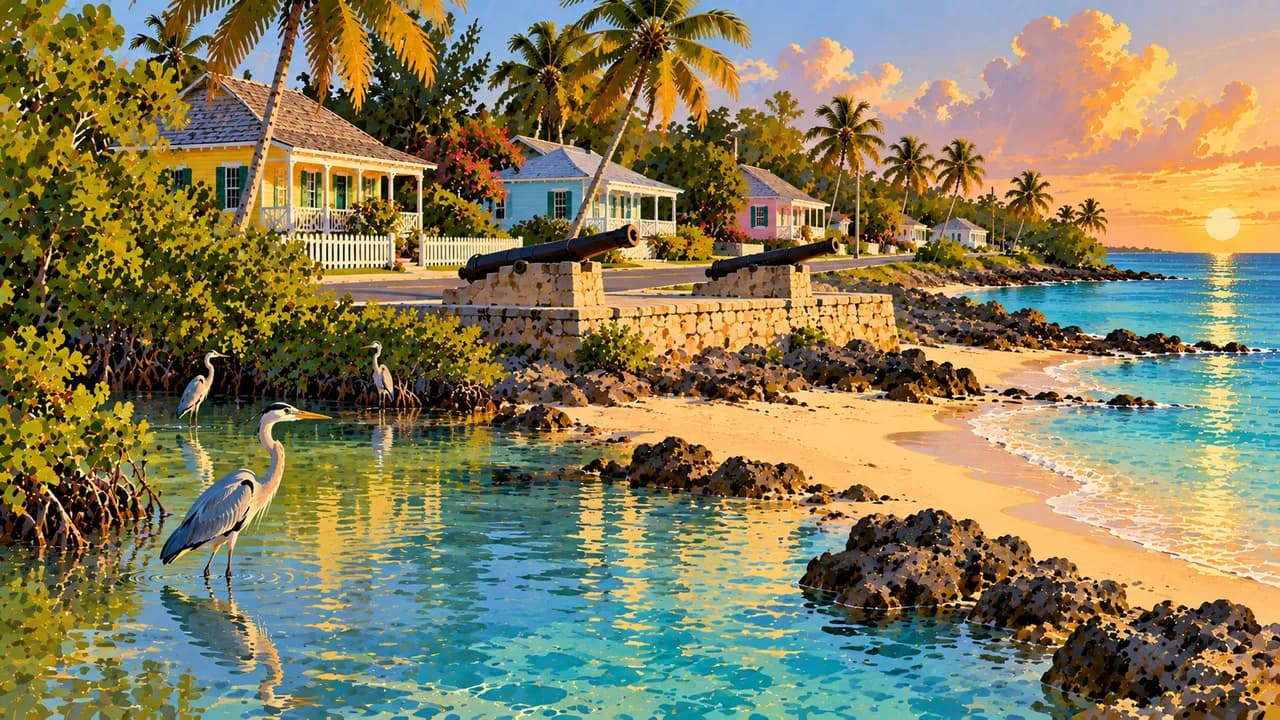
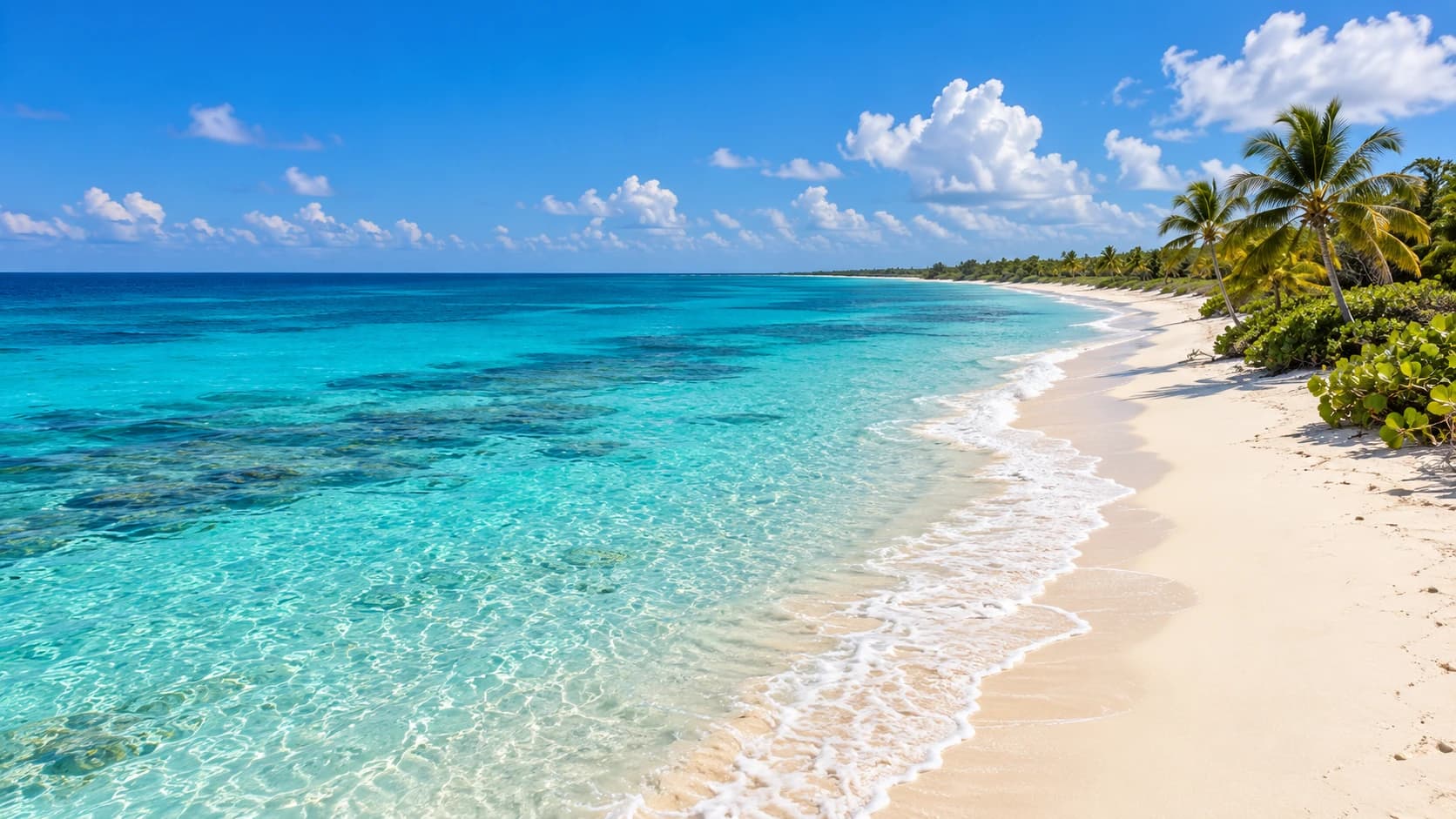
The Cayman Islands are a British Overseas Territory south of Cuba, comprising Grand Cayman, Cayman Brac and Little Cayman. The capital George Town combines the National Museum, waterfront shopping and an international financial centre. Seven Mile Beach is Grand Cayman's best-known beach, while Rum Point and East End offer other coastal settings.
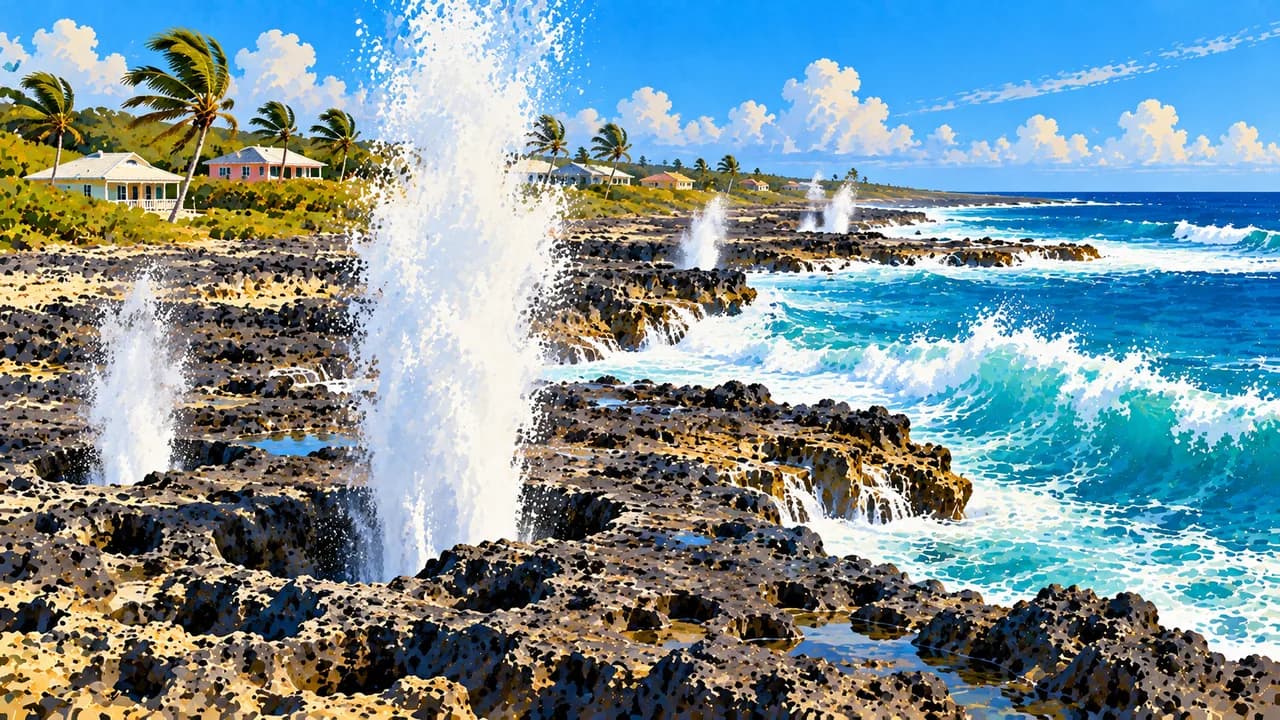
Grand Cayman's interior adds the Mastic Trail through native forest and the Queen Elizabeth II Botanic Park with blue iguana conservation. West Bay's Hell formation reveals jagged limestone, while Pedro St James near Bodden Town introduces political and social history. These places broaden the picture beyond resort beaches and cruise excursions.
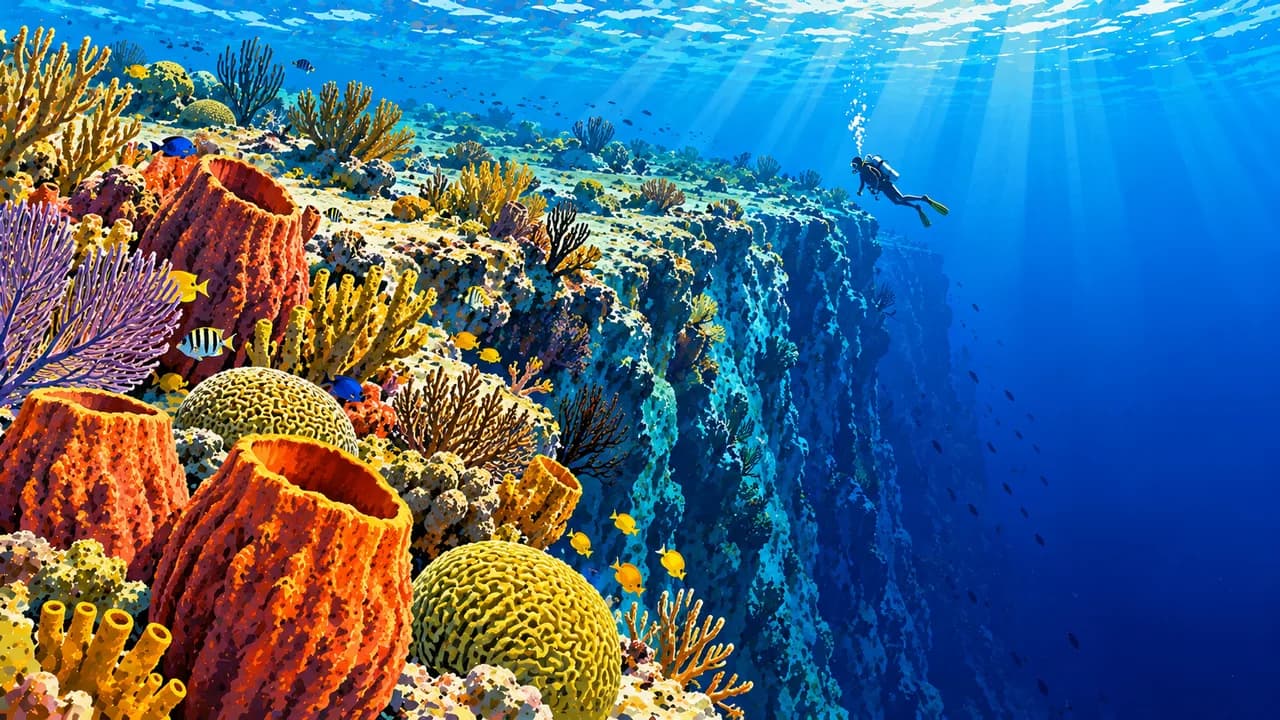
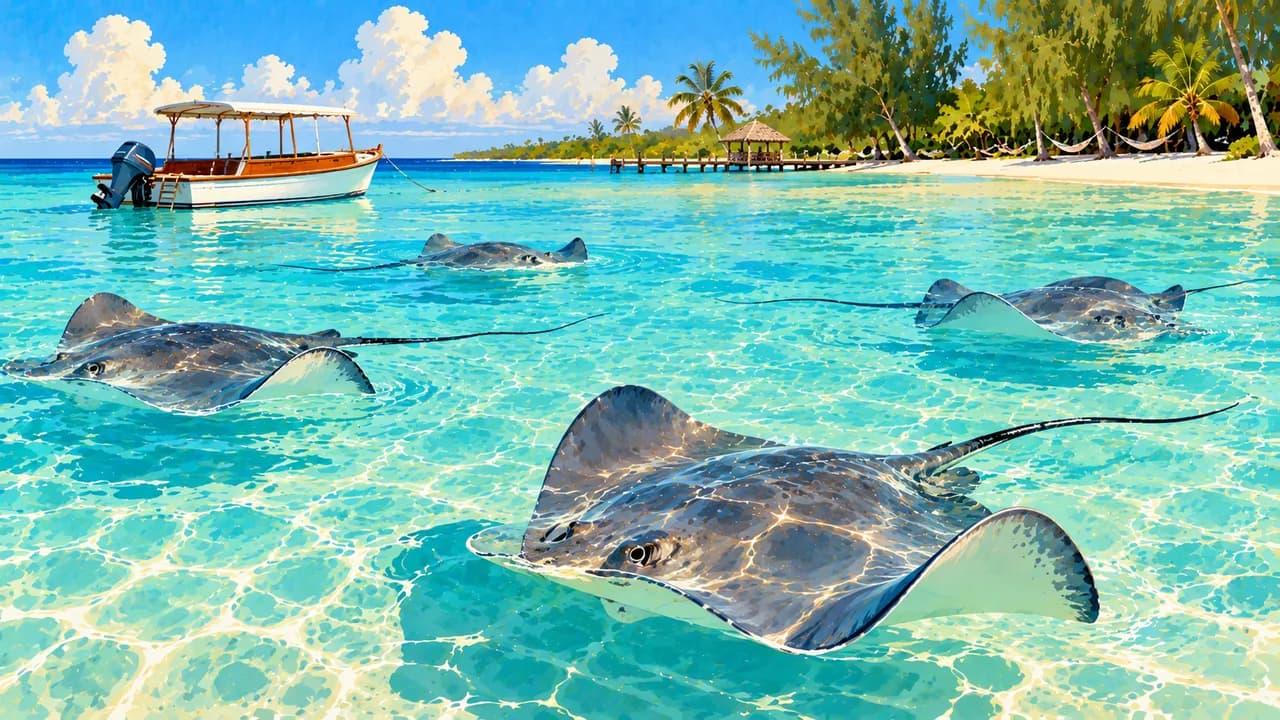
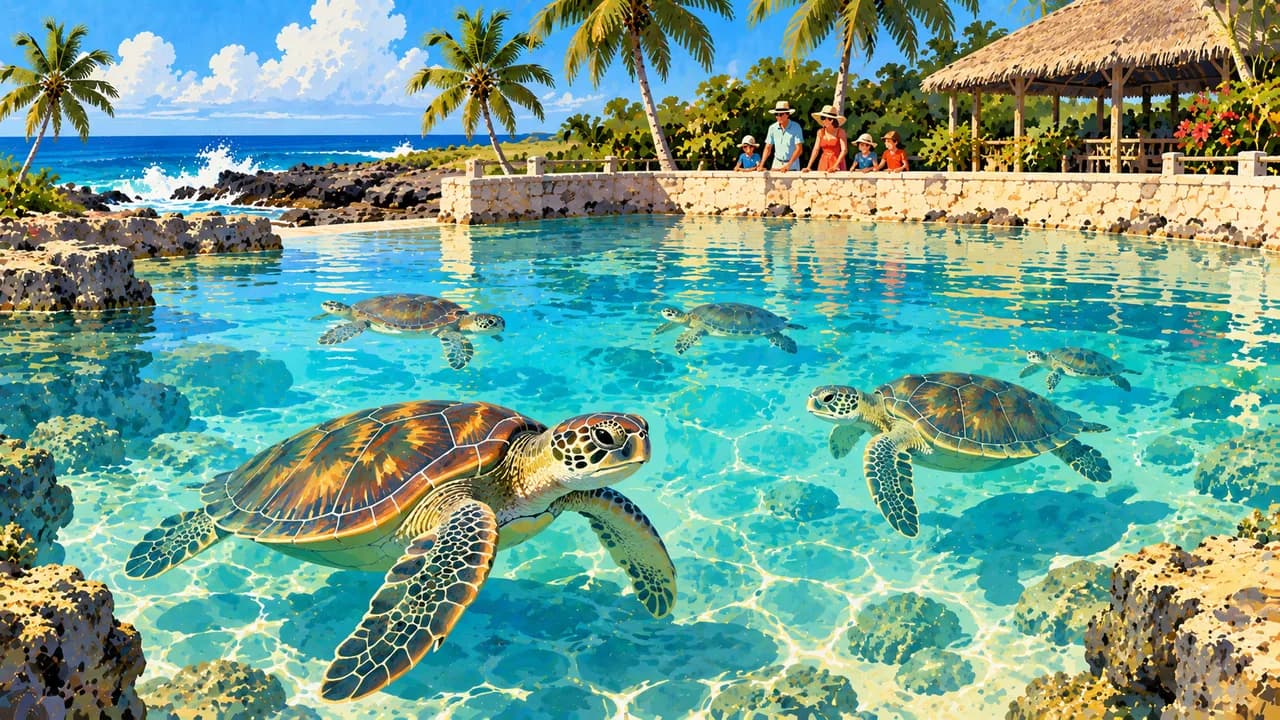
North Sound contains both Stingray City and the separate, shallower Stingray Sandbar, associated with southern stingrays. Water depth and conditions differ, so standing in waist-deep water is not possible on every excursion. Observe wildlife without handling it and follow Department of Environment guidance. Reef and wreck dives require appropriate qualifications, suitable conditions and marine-park rules.
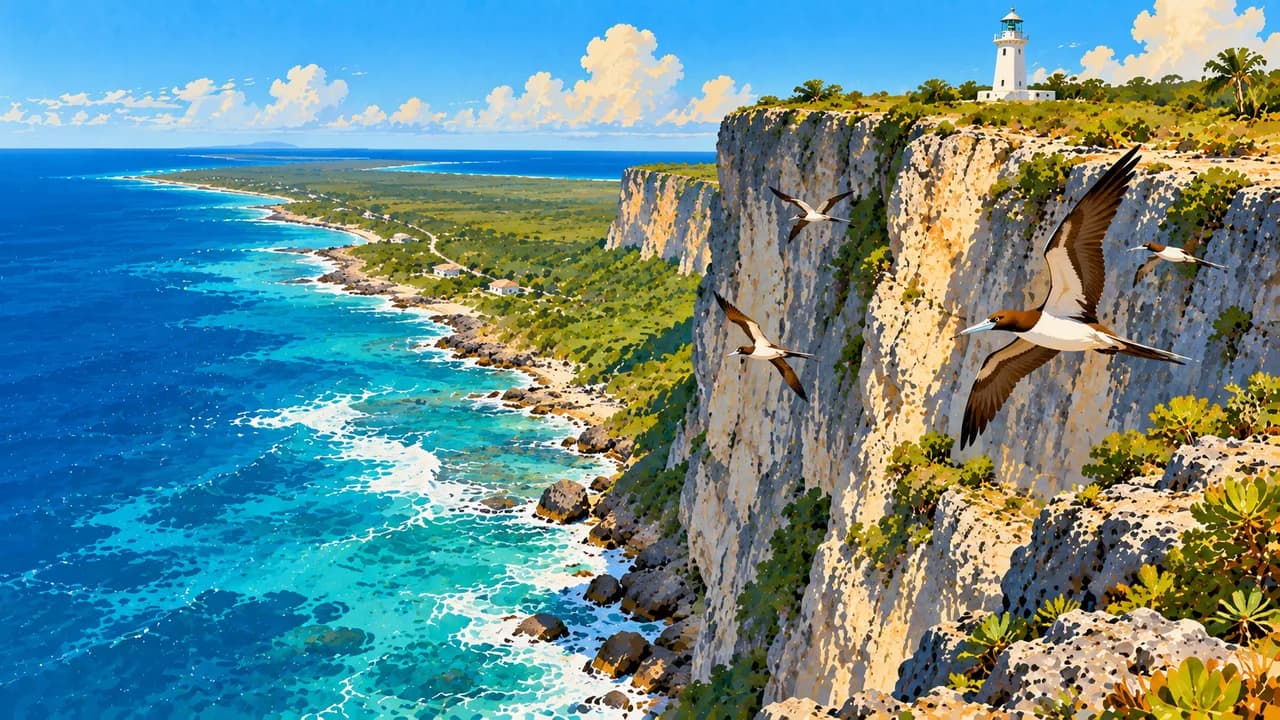
Cayman Brac has a prominent limestone ridge called the Bluff, caves, coastal walks and bird habitats. Local museums and seafaring heritage give the island its own identity. Little Cayman combines wall diving at Bloody Bay Wall with the Booby Pond Nature Reserve. Red-footed boobies and frigatebirds make the reserve important for seabird conservation, without any guarantee of sightings.
Catboat building, maritime traditions and visual arts complement a food culture shaped by Caribbean connections. Fish dishes, coconut preparations and cassava-based heavy cake provide local culinary perspectives. Allow time for transfers between the three islands rather than assuming convenient same-day connections. Check current transport, access and weather information, especially during hurricane season, and respect protected habitats on land and at sea.
AI edited
- 3
- Main islands Grand Cayman, Cayman Brac and Little Cayman form the British Overseas Territory. These three main islands are not administrative districts.
- ≈ 71,400
- Population Rounded from 71,432 residents in the final ESO 2021 census, including 327 people in institutions. A historical census count, not a current population estimate.
- ≈ 264 km²
- Area UNdata gives a surface area of 264 square kilometres for the territory. The three main islands differ considerably in size and landscape.
- English
- Language English is the official language. Local varieties of speech and the international population shape everyday life.
- Spanish & Filipino
- Other languages The census records Spanish and Filipino among household languages. They are not additional official languages, and proficiency should not be assumed for everyone.
- Cayman Islands dollar (KYD)
- Currency The currency code is KYD, often written CI$. Distinguish Cayman Islands dollars from US dollars in quotations and check exchange rates, payment methods and card fees.
- A · B
- Socket types Plug types A and B, typically 120 V and 60 Hz. Check the actual supply and device compatibility locally. An adaptor converts neither voltage nor frequency.
- George Town
- Capital George Town is on Grand Cayman and is the territory's capital and administrative and financial centre.
- Left-hand traffic
- Driving side Traffic drives on the left. Check vehicle equipment, local rules and road conditions before driving. Account for traffic when walking or cycling.
- UTC−5
- Time zone One time zone at UTC−5 year-round without daylight saving. Differences from your browser and saved home location can change when those places switch clocks.
The Cayman Islands on the map

Map data: geoBoundaries (CC BY 4.0), © OpenStreetMap contributors (ODbL), Natural Earth
Climate and best time to travel
The Cayman Islands have a tropical maritime climate. December to April is often a relatively drier planning window, without guaranteeing sunshine or calm seas. June to November brings additional hurricane risk. Wind, swell and rain can affect boats, dives and trails outside that season too. Month labels are guidance, not booking or wildlife guarantees.