Mexico
Ancient cultural heritage, contrasting landscapes and vibrant traditions of food and celebration.
Worth coming back!
Wanderlama keeps growing with new destinations, helpful information and exciting features. Check back soon and discover what is new!
Travel to Mexico
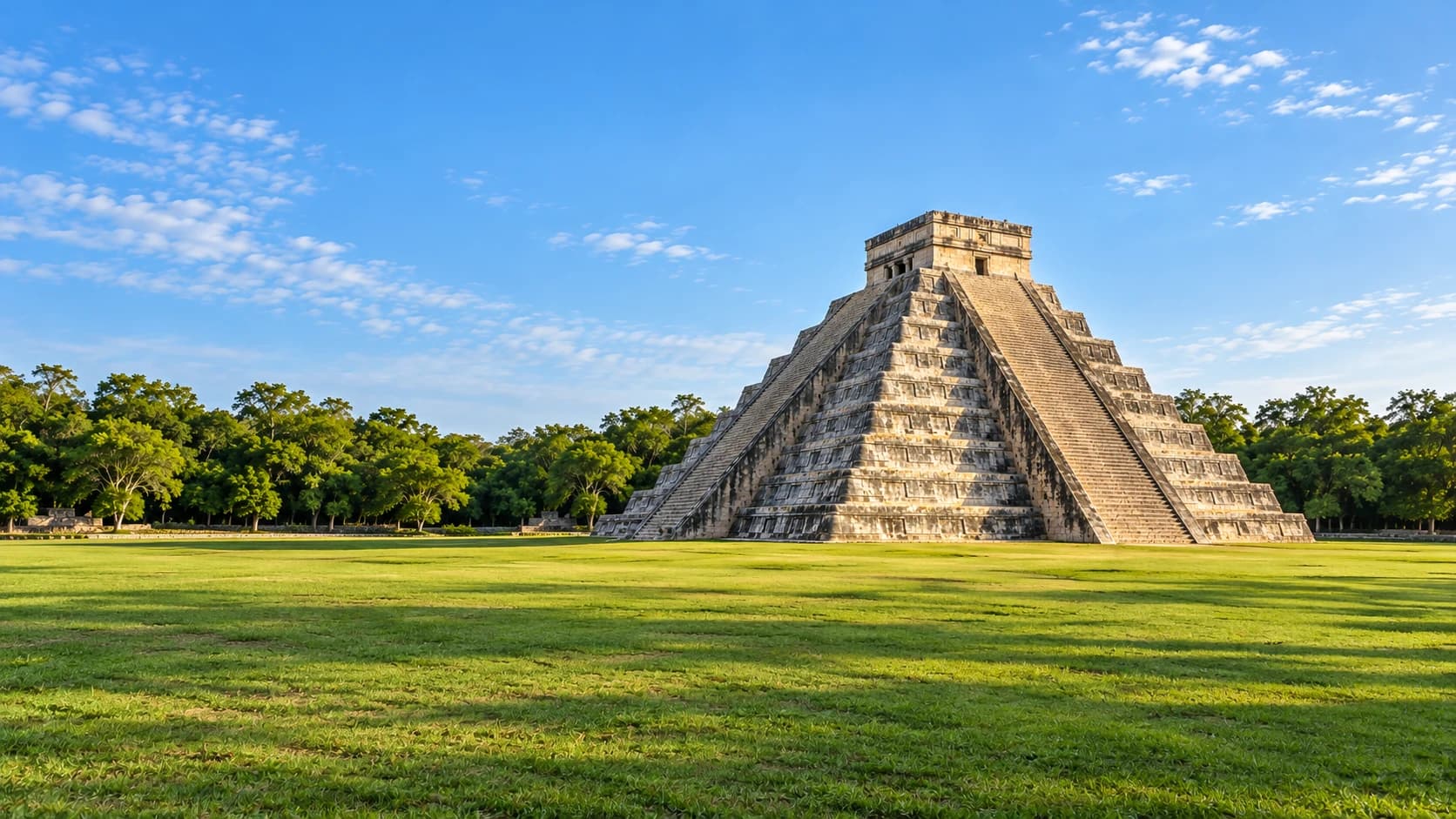
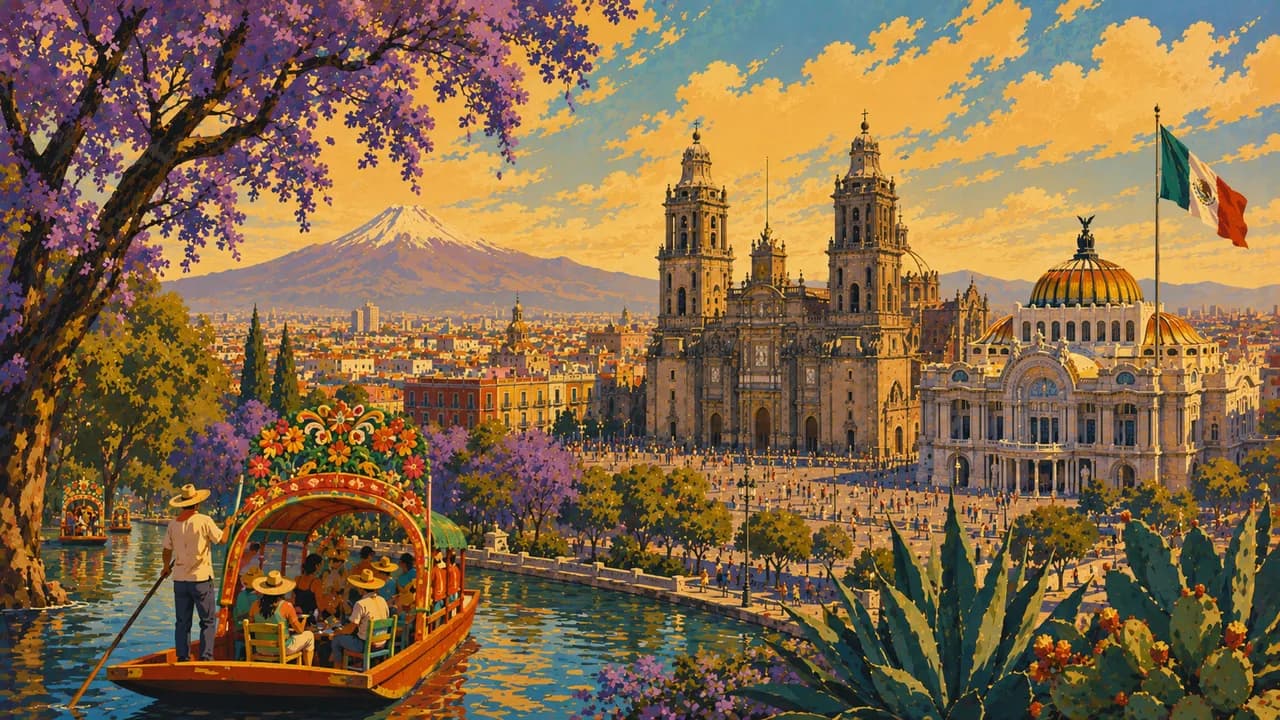
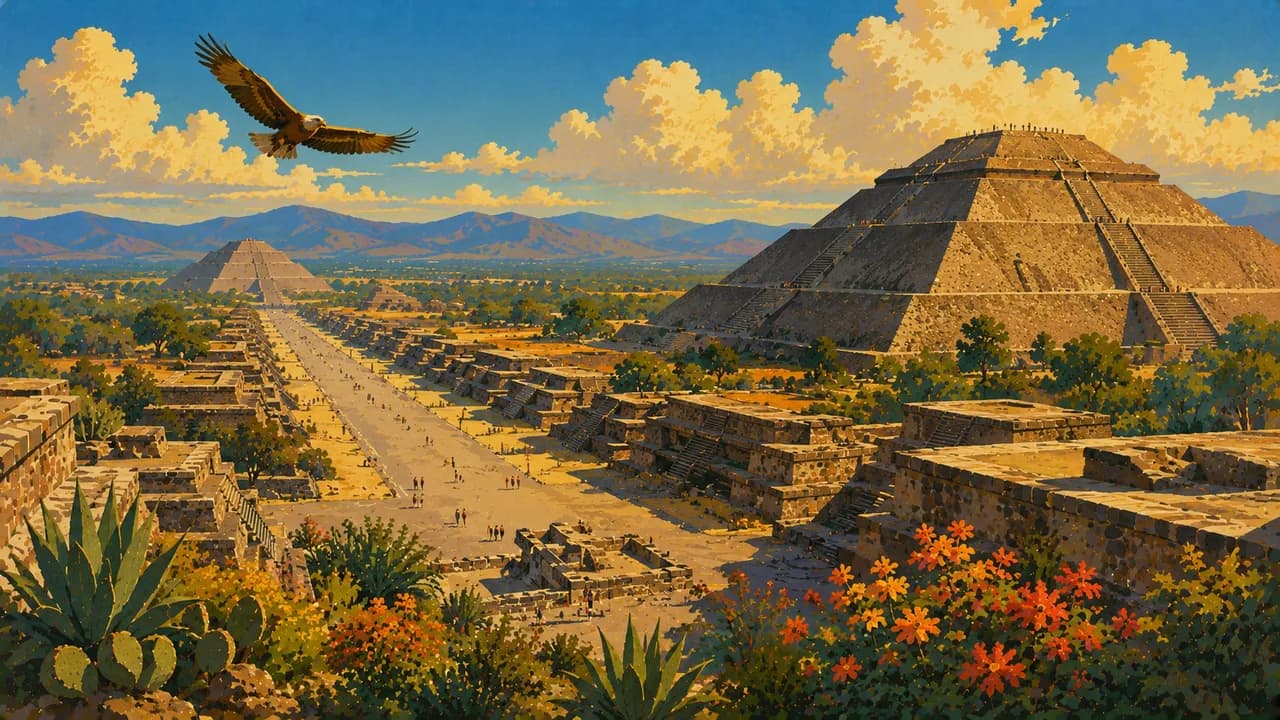
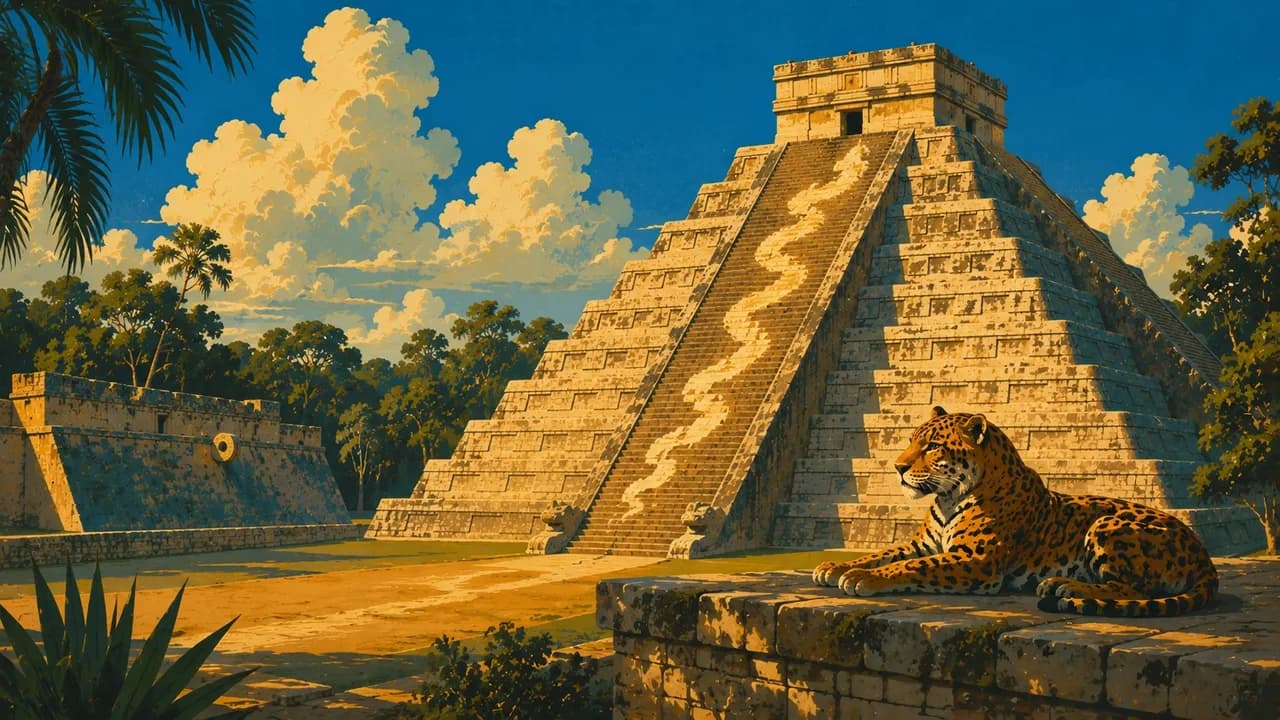
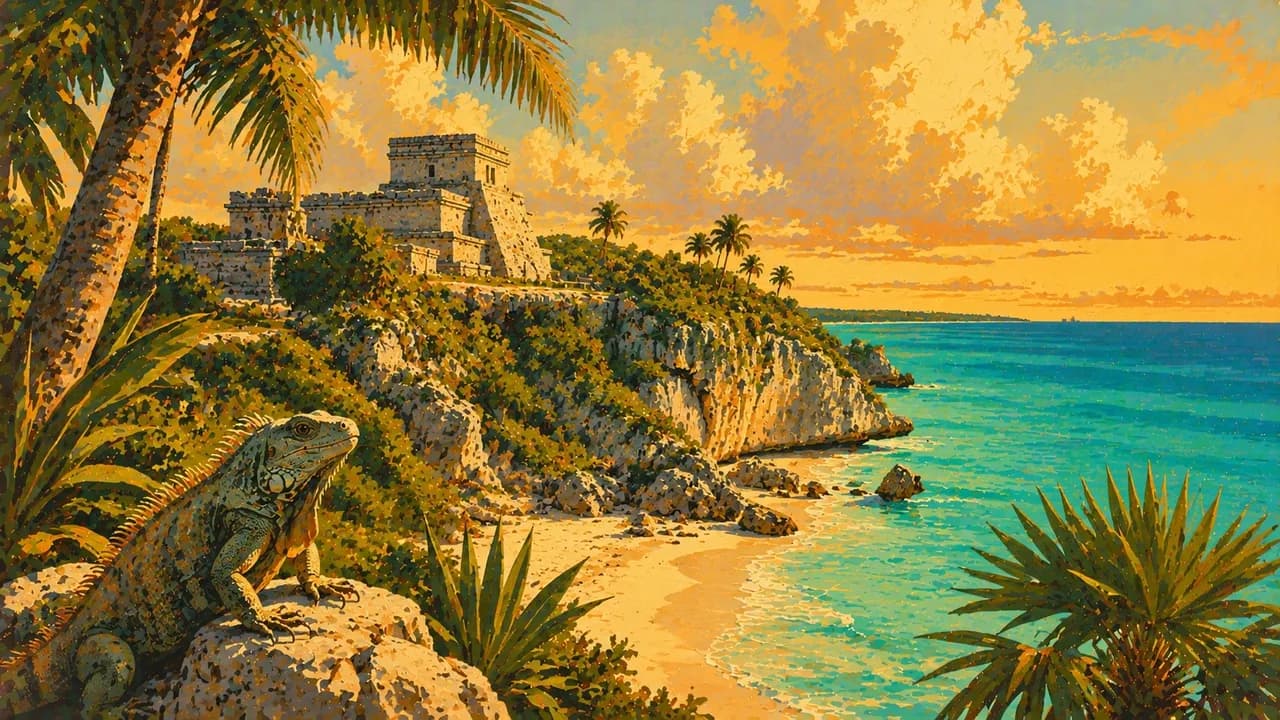
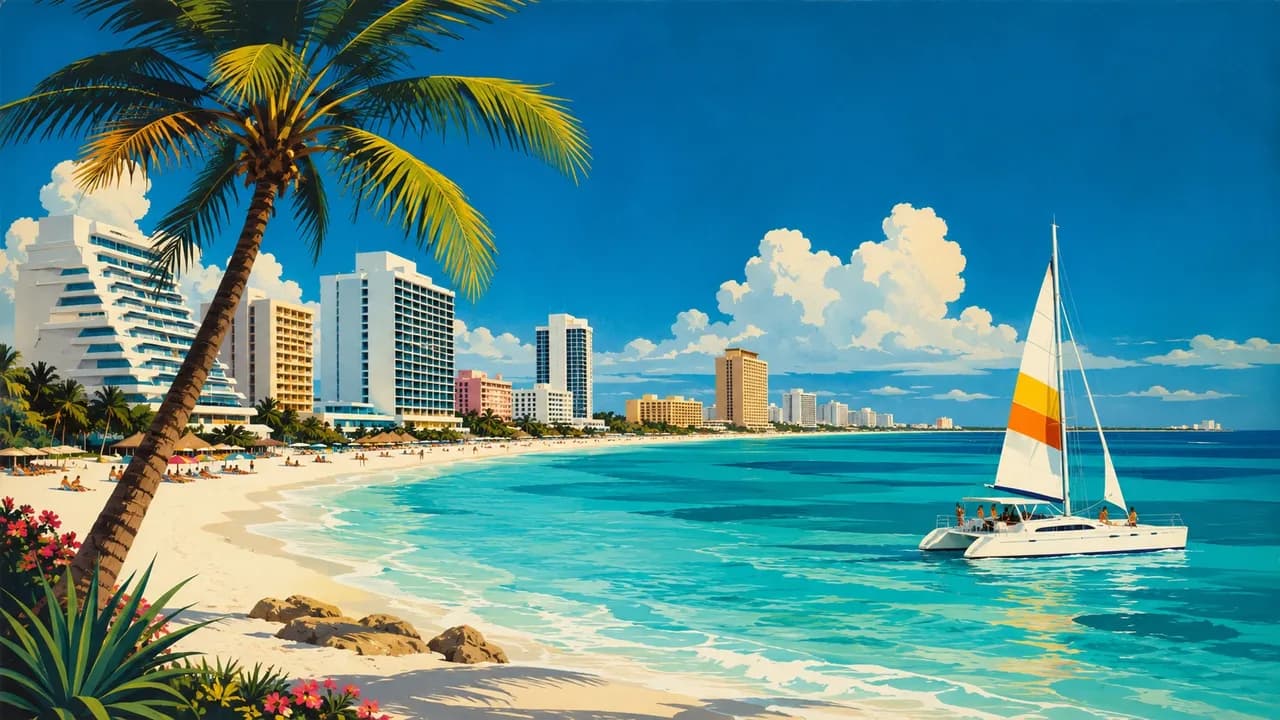
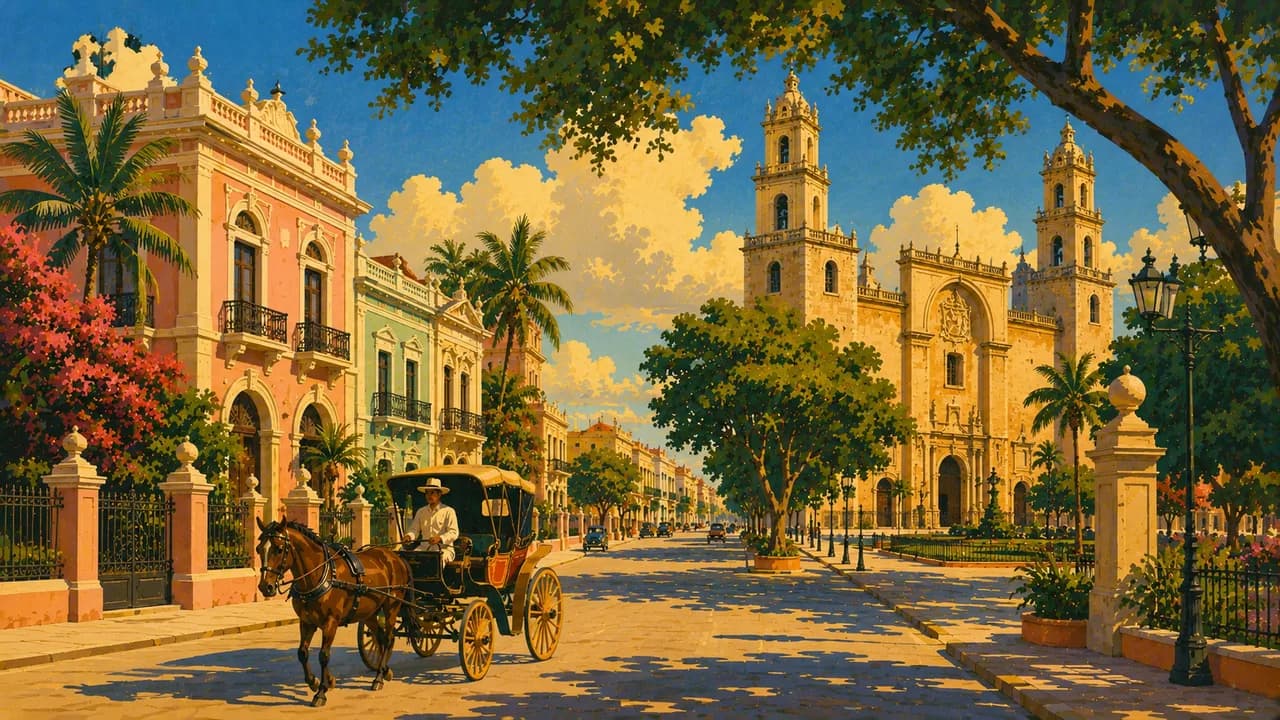
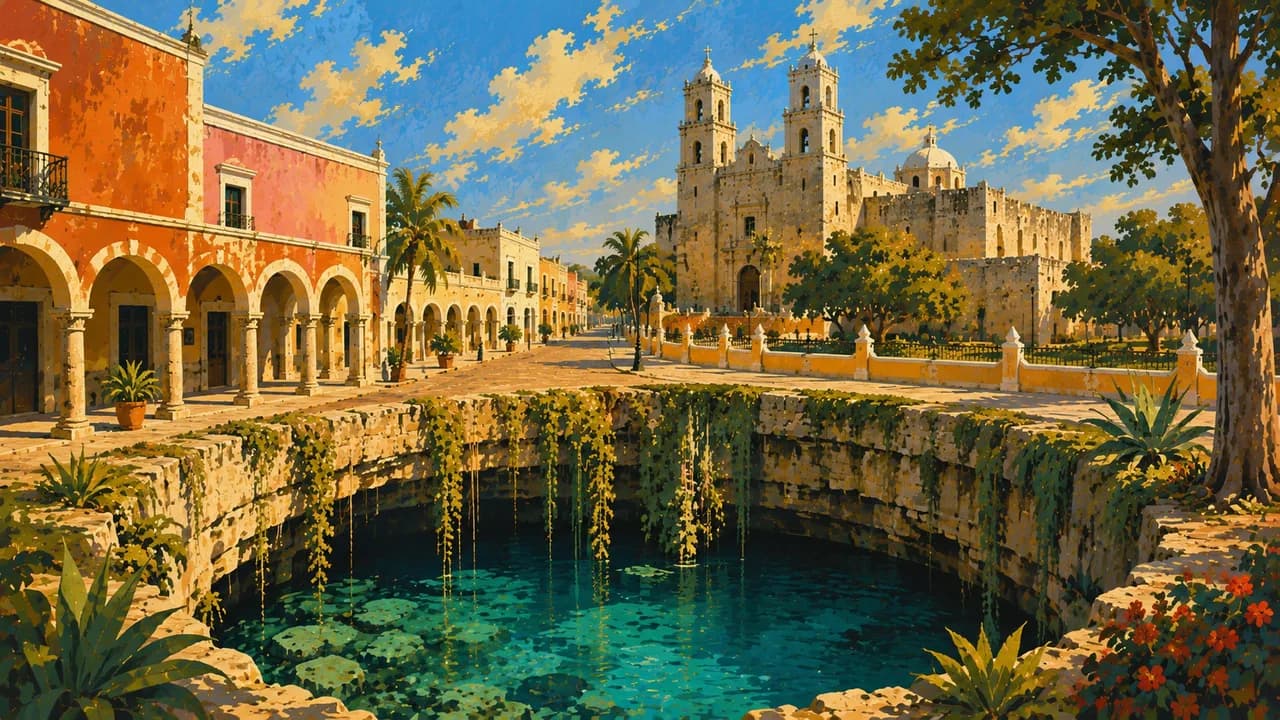
Mexico combines ancient cities, varied coastlines and living indigenous traditions between the United States and Central America. Mexico City (Ciudad de México) offers the Templo Mayor, major museums and lively markets. The pyramids of Teotihuacán are nearby. On the Yucatán Peninsula, Chichén Itzá, Tulum and freshwater cenotes complement the Caribbean beaches around Cancún and the Riviera Maya.
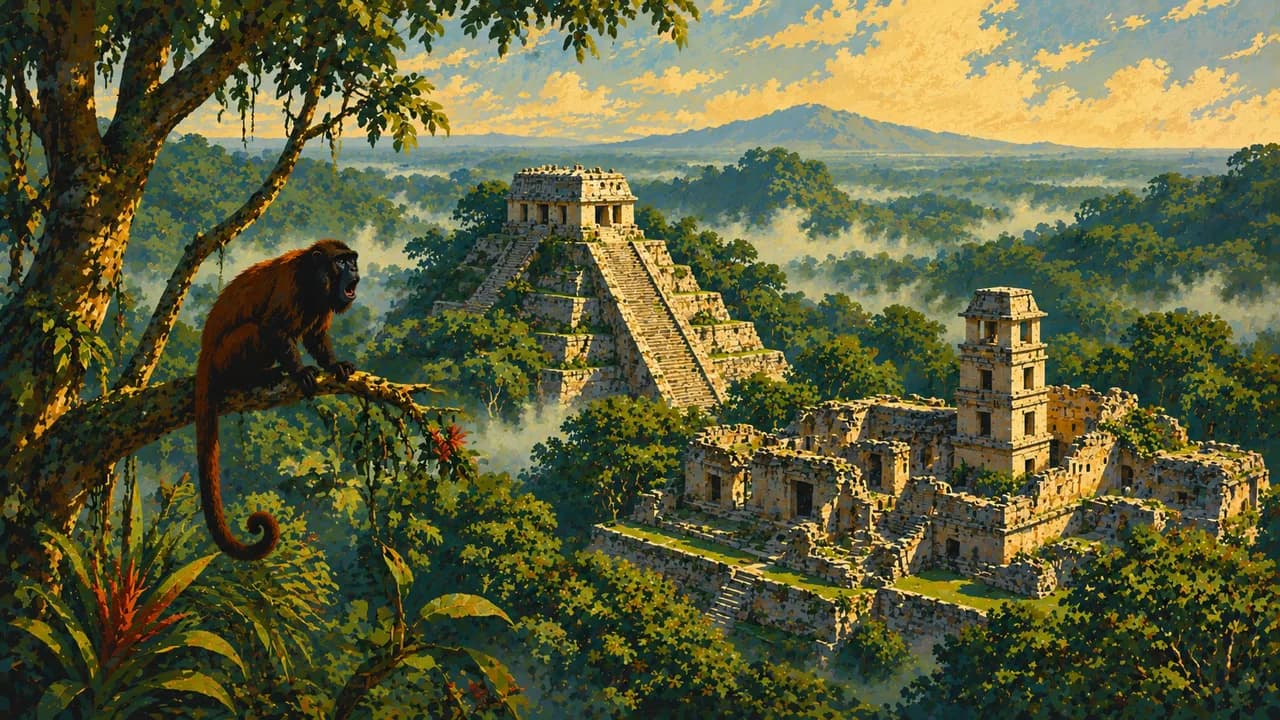
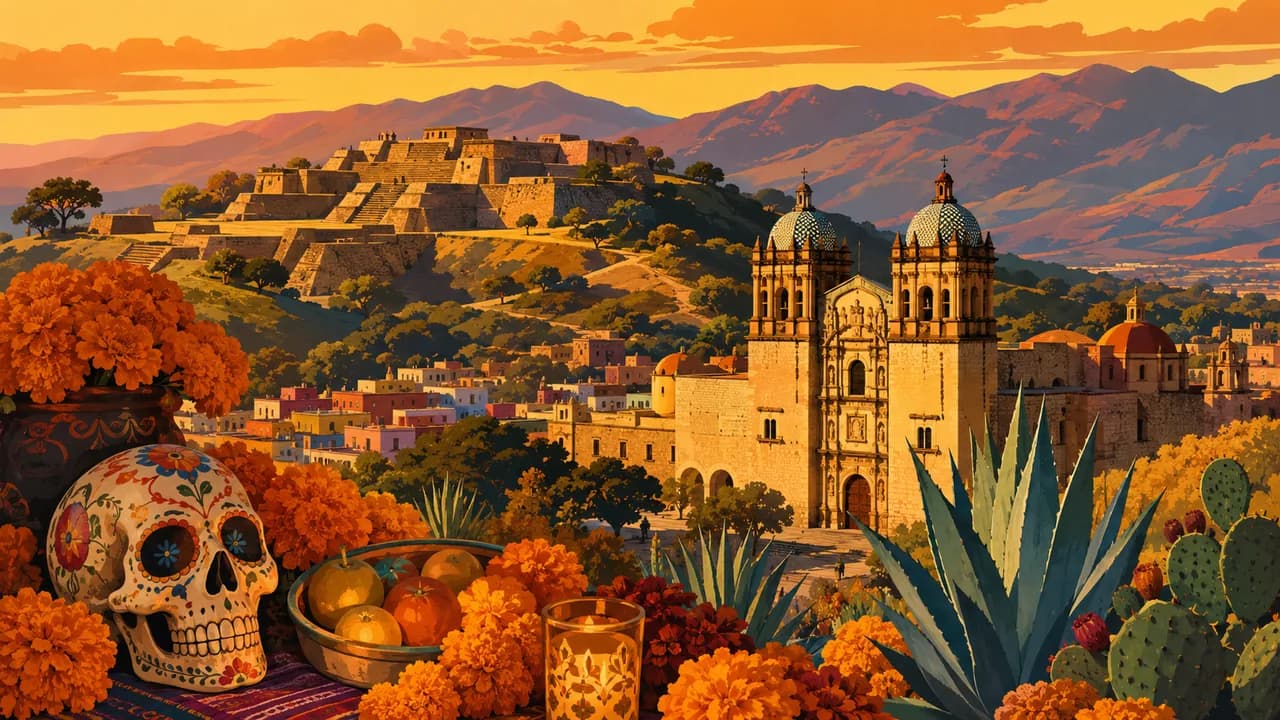
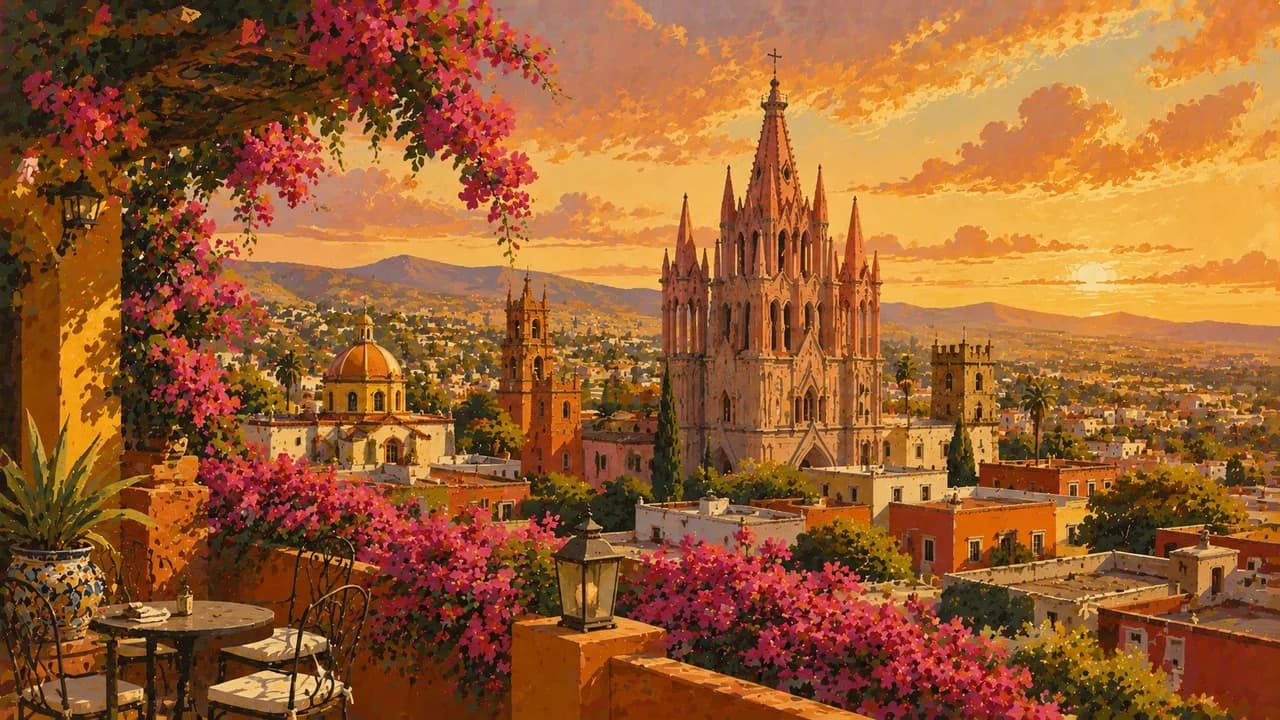
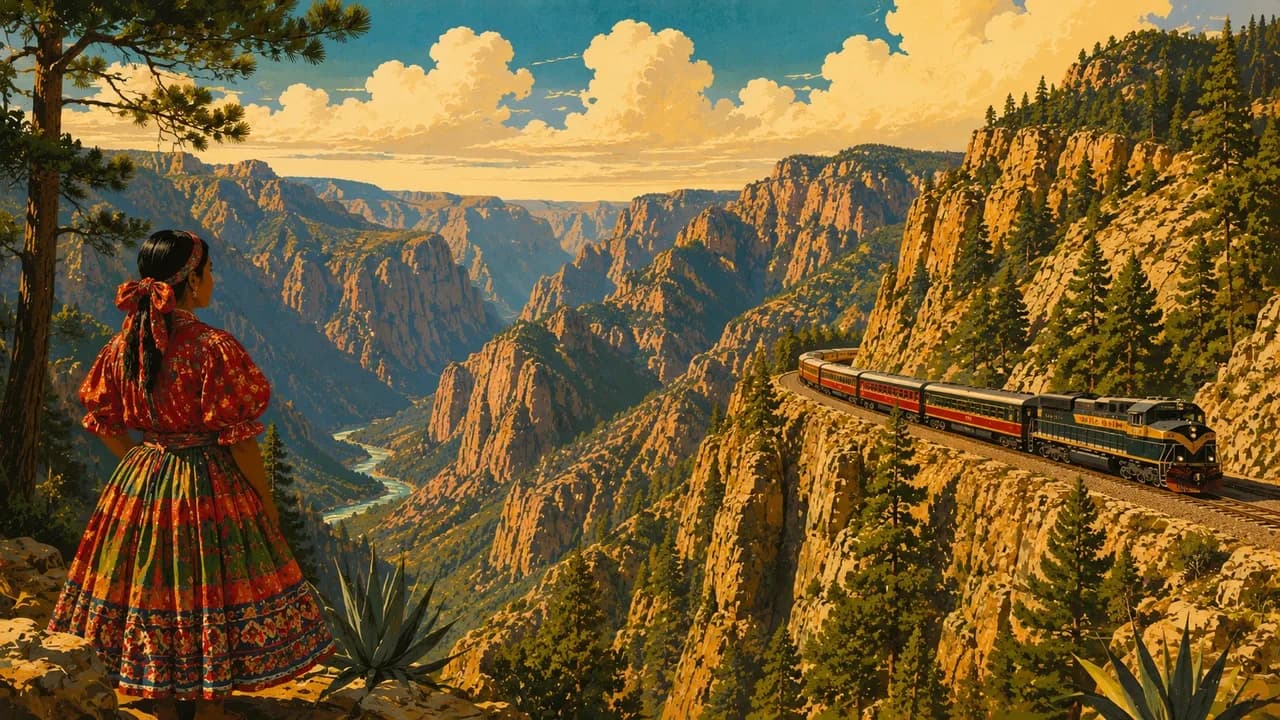
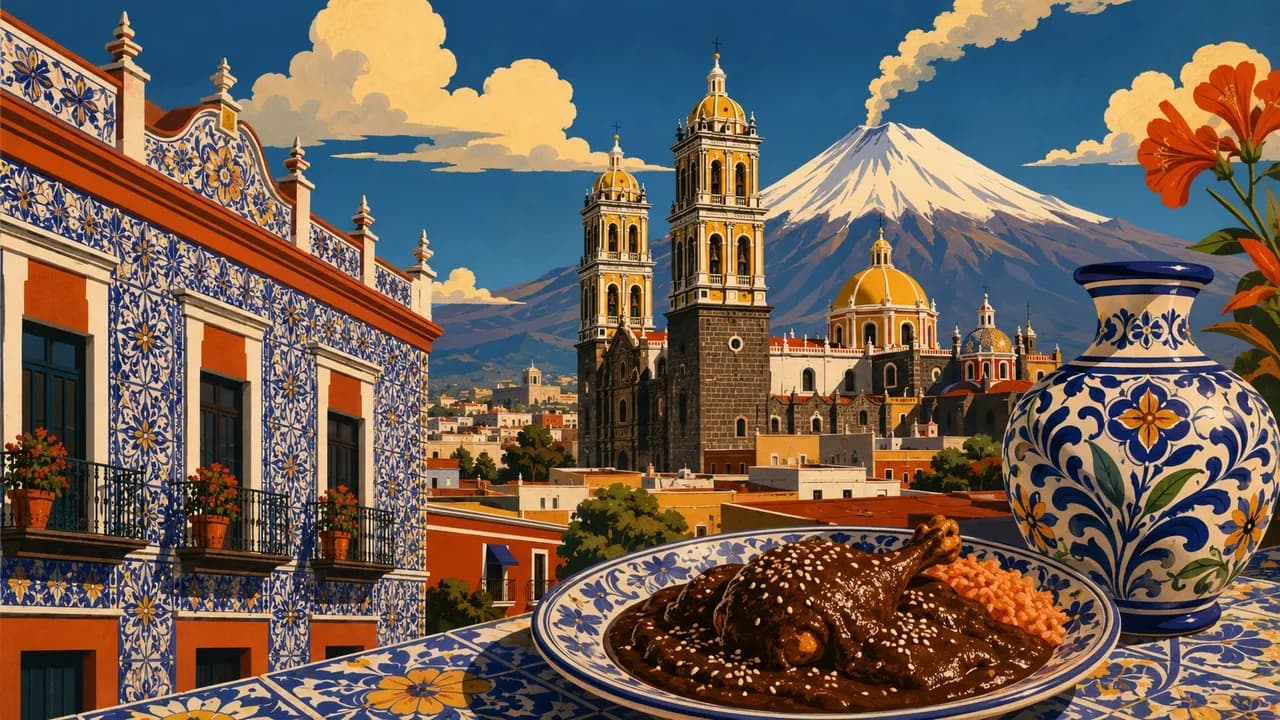
Oaxaca de Juárez, San Miguel de Allende and Guanajuato preserve historic centres and regional crafts. Chiapas adds Palenque's Maya ruins, rainforest and highland communities. The Pacific coast offers beaches and surf spots around Puerto Vallarta and Puerto Escondido. Baja California combines desert scenery, marine life and seasonal whale watching. The Copper Canyon (Barrancas del Cobre) reveals the mountains and deep gorges of the north. Regional dishes such as tacos and mole, mariachi music and the Day of the Dead in early November express the country's cultural diversity.
Food markets, artisan workshops and village celebrations offer ways to experience regional identities beyond the archaeological sites. Indigenous languages and practices are living parts of the country, not simply reminders of the past. Highland towns can be cool even when coastal regions are hot and humid. Sea conditions, seasonal storms and regulated wildlife activities require local checks. Large distances favour focused routes, with buses and domestic flights linking major regions and additional transfers needed for smaller places.
Museum visits, walking routes and time in local neighbourhoods help balance beach stays with the country's everyday cultural life.
AI edited
- 32
- Federal entities
- 129.5 million
- Population
- 1,964,375 km²
- Area
- Spanish & indigenous languages
- Languages
- English
- Other languages English is widely used in international hotels, tourist destinations and parts of the border region. Elsewhere, some knowledge of Spanish is helpful.
- Mexican peso (MXN)
- Currency
- US dollar (USD)
- Accepted currency US dollars are accepted in some tourist and border areas, but not everywhere. The Mexican peso is the national currency. Acceptance and conversion depend on the individual business.
- A · B
- Socket types
- Mexico City
- Capital
- Right-hand traffic
- Driving side
- UTC−8 to UTC−5
- Time zones Mexico has four time zones with standard offsets from UTC−8 to UTC−5. Most of the country does not observe daylight saving time. Parts of the northern border region use seasonal clock changes. Mexico City remains at UTC−6 throughout the year.
- 28
- UNESCO cultural sites
Mexico on the map

Map data: geoBoundaries (CC BY 4.0), © OpenStreetMap contributors (ODbL), Natural Earth
Climate and best time to travel
Mexico's climate ranges from dry northern deserts to tropical coasts and cooler highlands. Many central and southern regions receive more rain between May and October. November to April is often drier and suits cultural trips and beach stays. Winter nights can be cold in the highlands and northern mountains. Spring and autumn often offer favourable conditions for walking in the Copper Canyon. Tropical storms can affect tropical coasts in summer and autumn. The best time to travel therefore depends on the region, altitude and activity.
Destinations in Mexico
 AI generated
 AI generated
 AI generated
 AI generated
 AI generated
 AI generated
 AI generated
 AI generated
 AI generated
 AI generated
 AI generated
 AI generated