Greenland
Kalaallit Nunaat
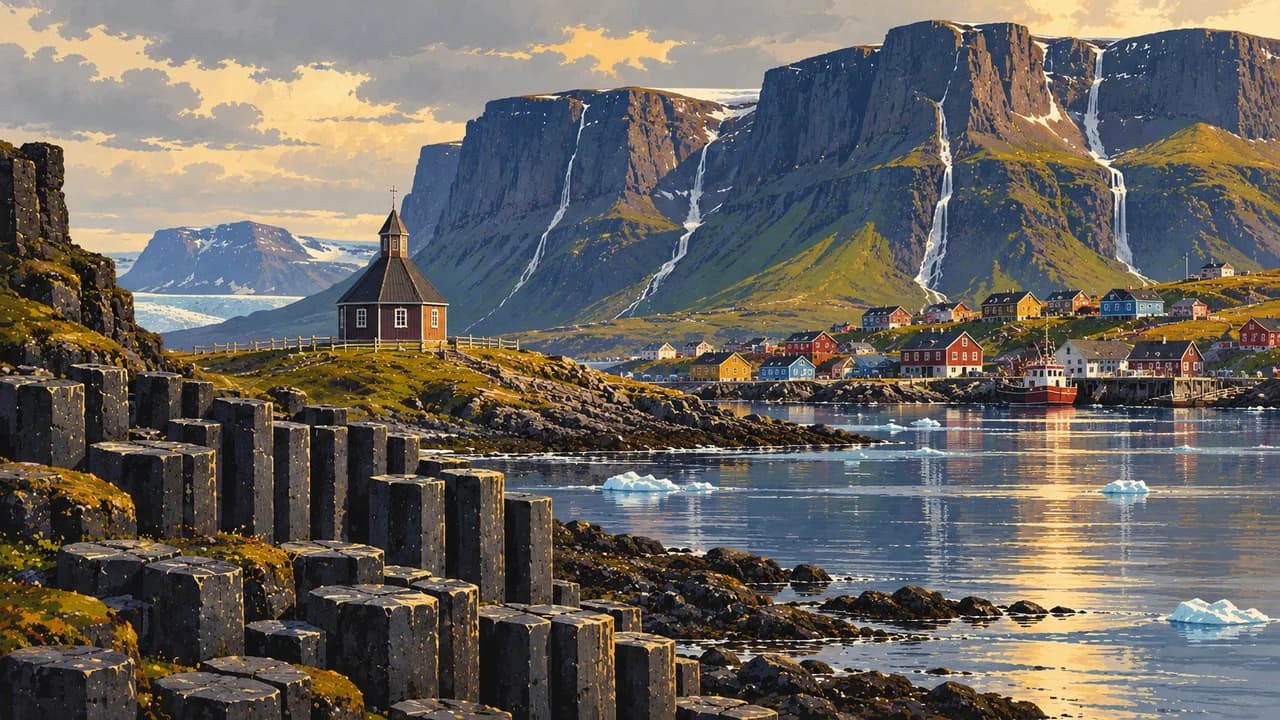
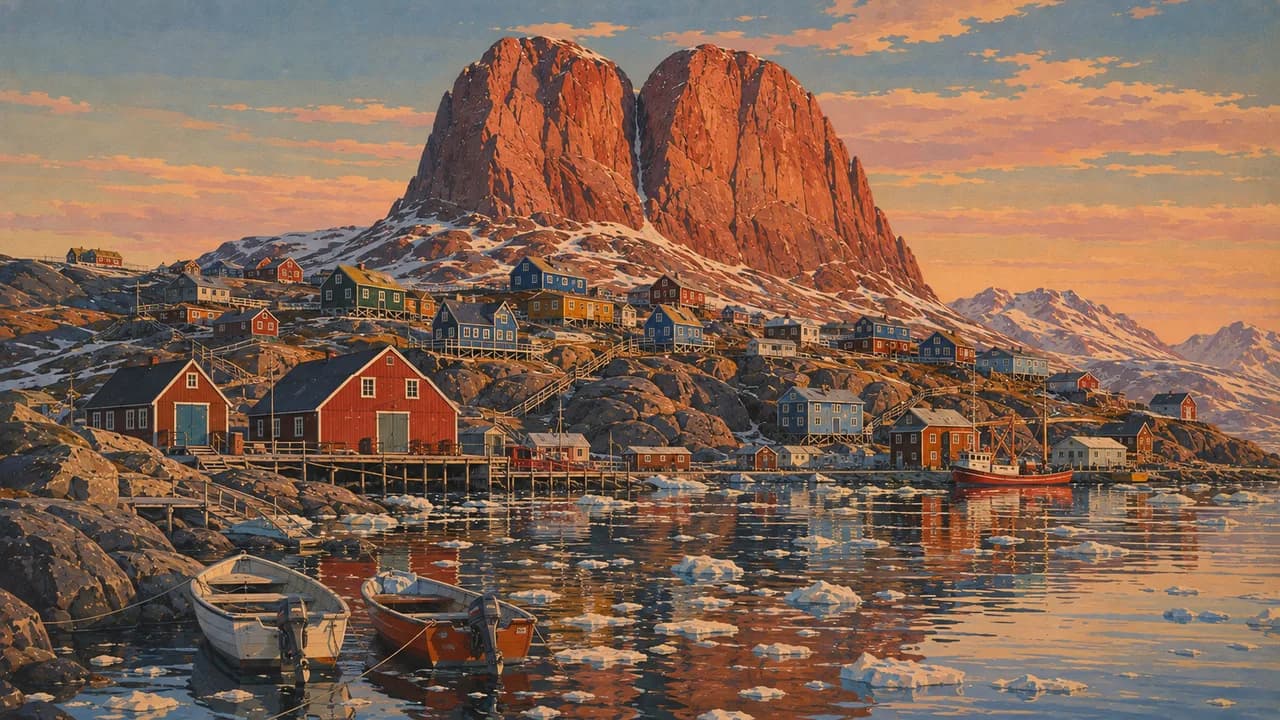
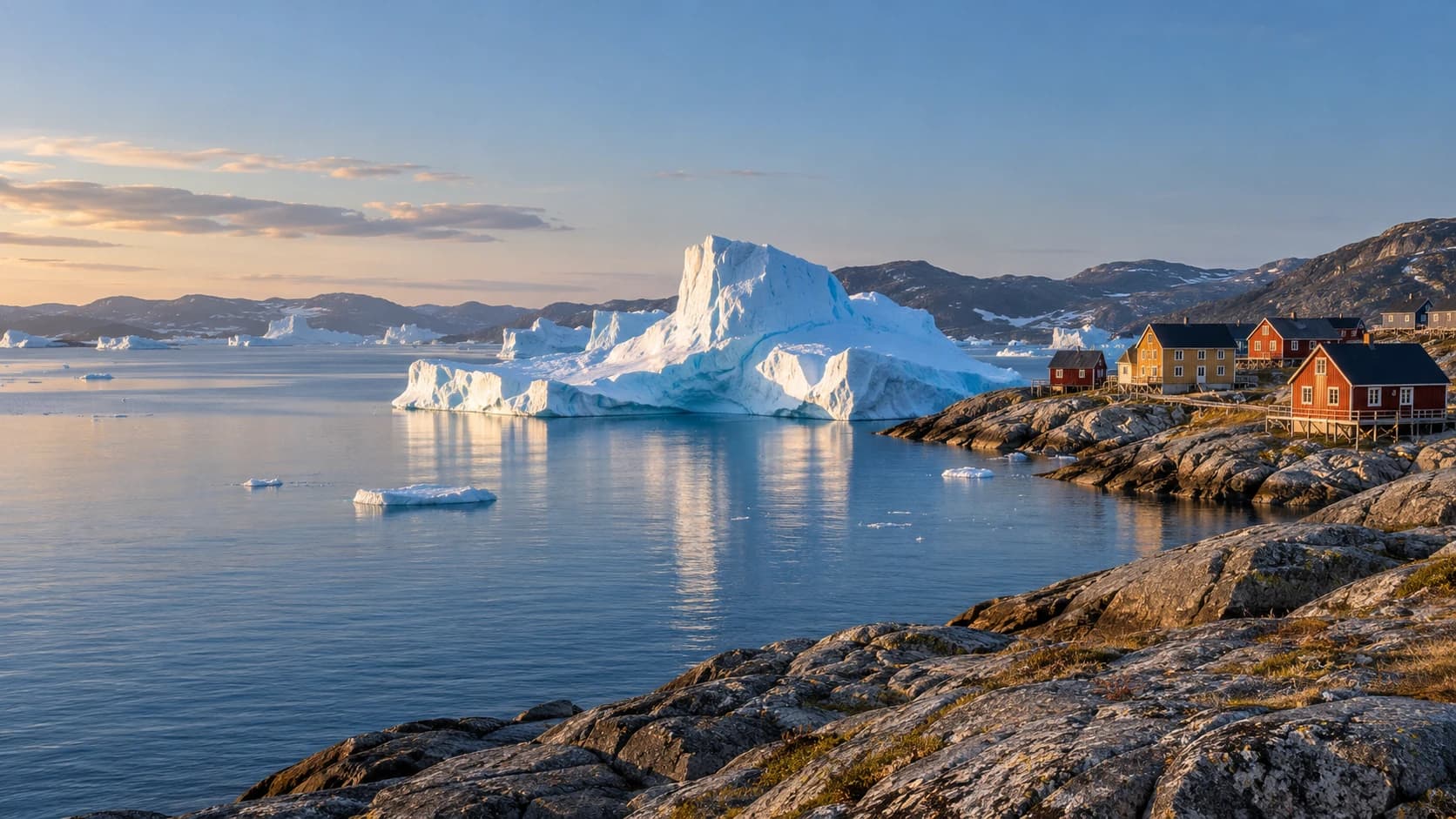
Icebergs and sweeping fjords, living Greenlandic culture and Arctic landscapes between colourful coastal communities and the ice sheet.
Worth coming back!
Wanderlama keeps growing with new destinations, helpful information and exciting features. Check back soon and discover what is new!
Travel to Greenland
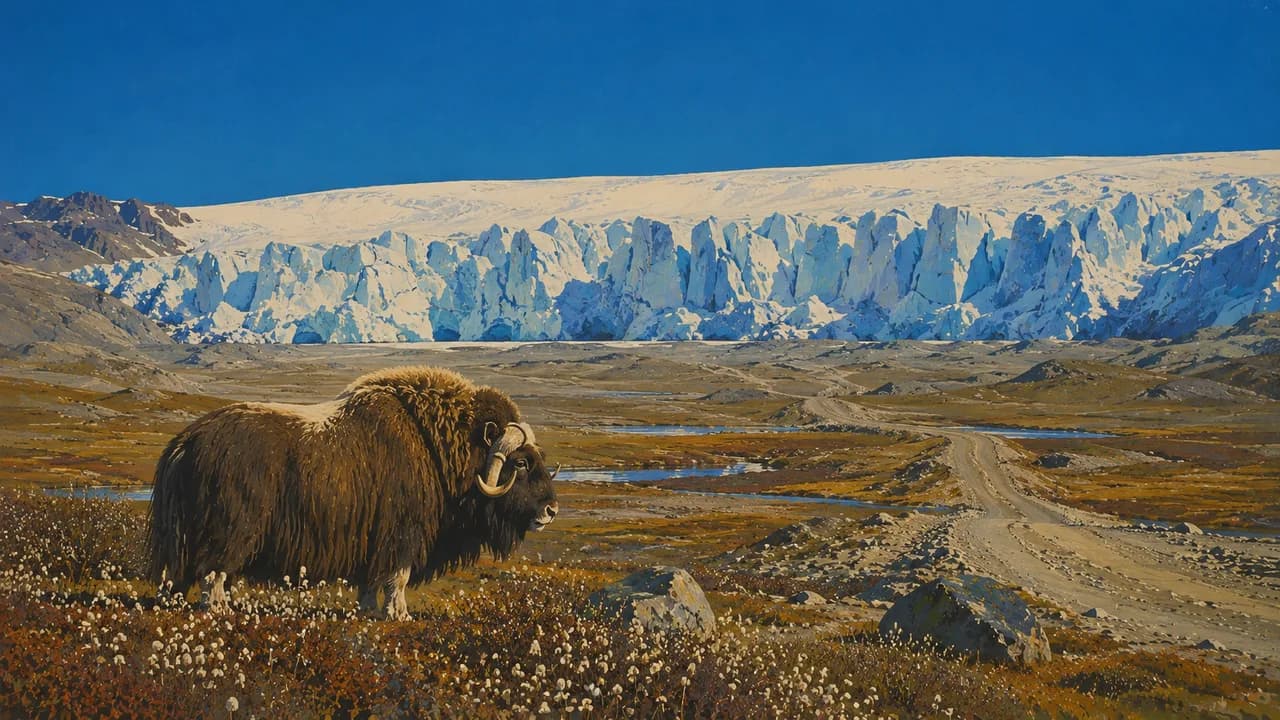
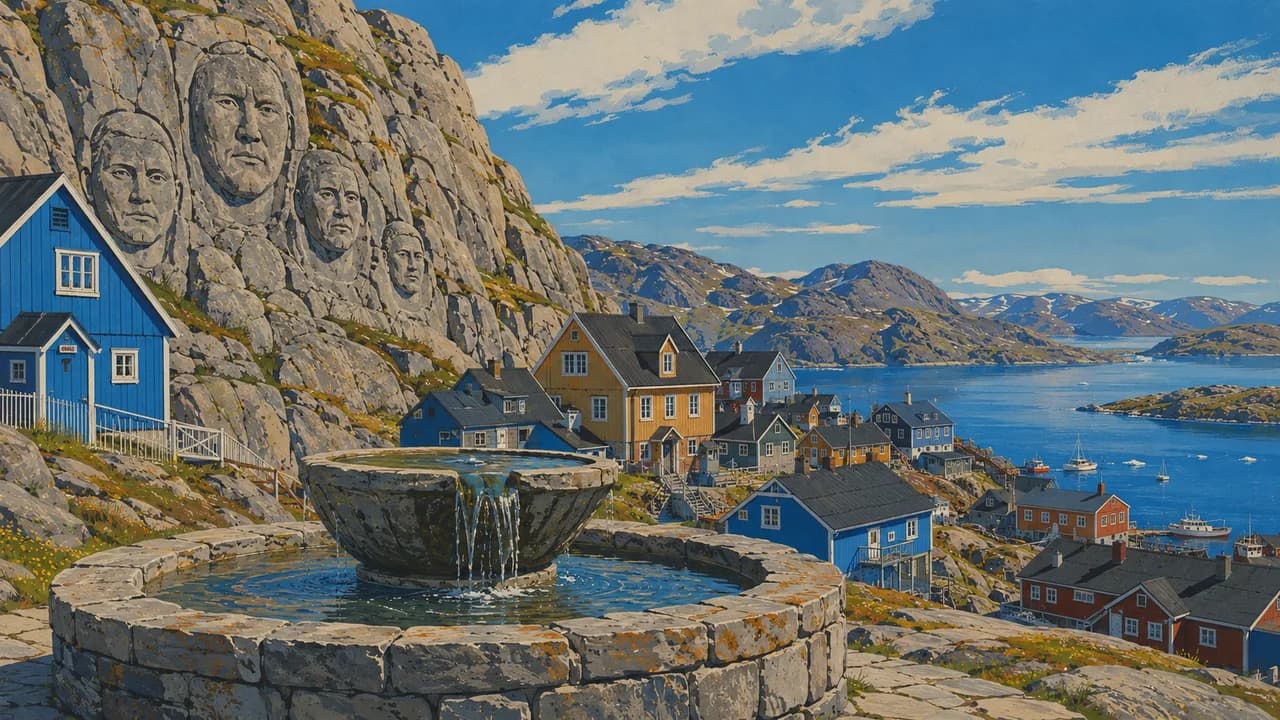
Greenland is the world's largest island and a self-governing part of the Kingdom of Denmark. A vast ice sheet covers much of its interior, while colourful towns and settlements line the coast. Nuuk combines museums, contemporary Greenlandic art and local food with excursions into its fjord landscape.
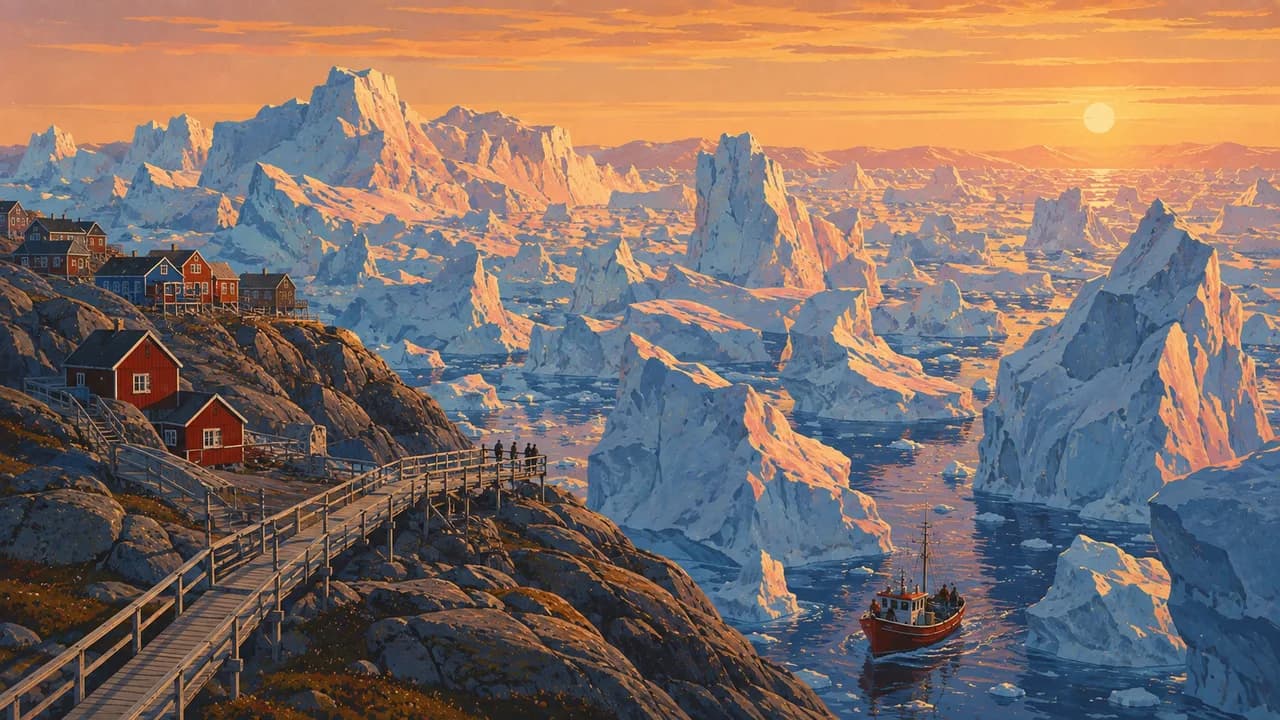
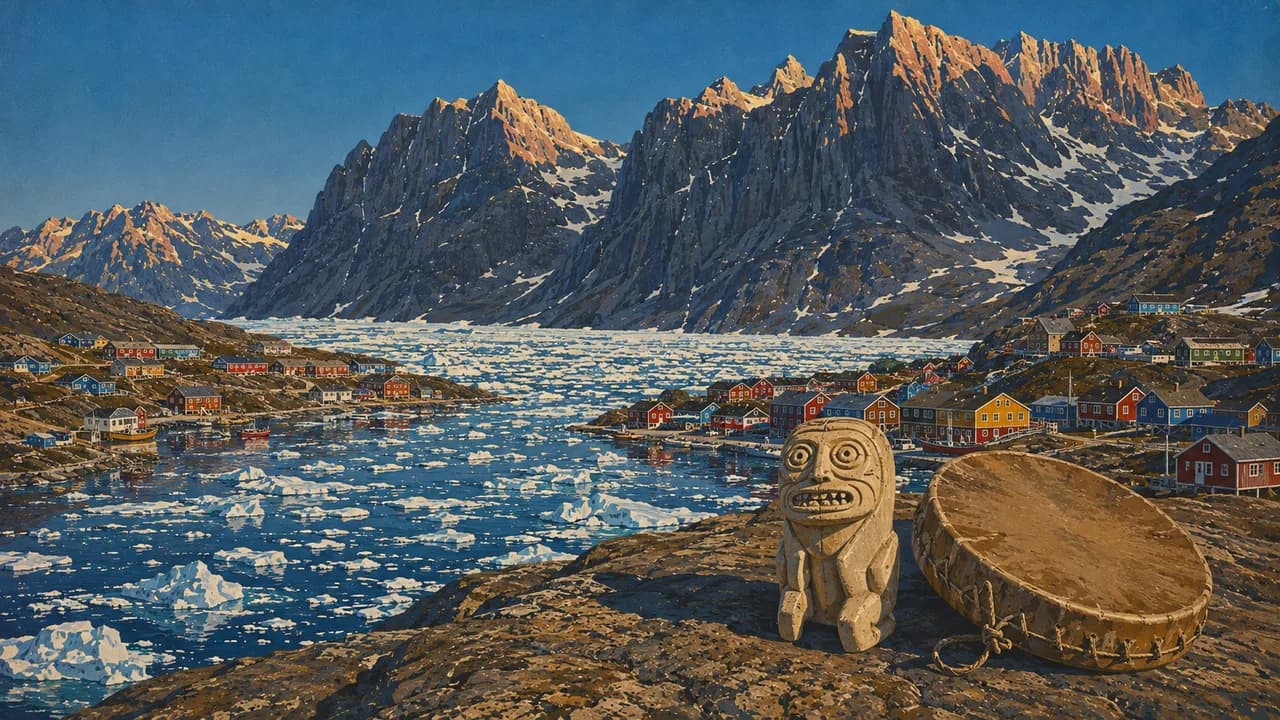
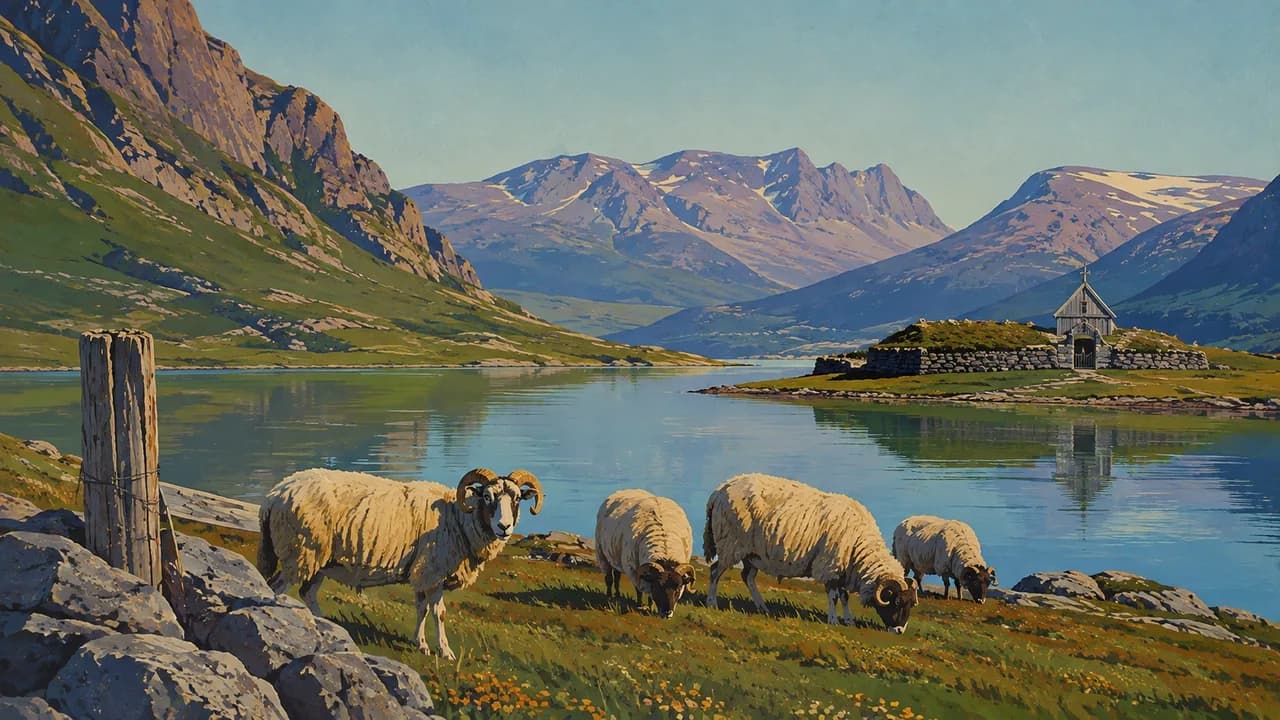
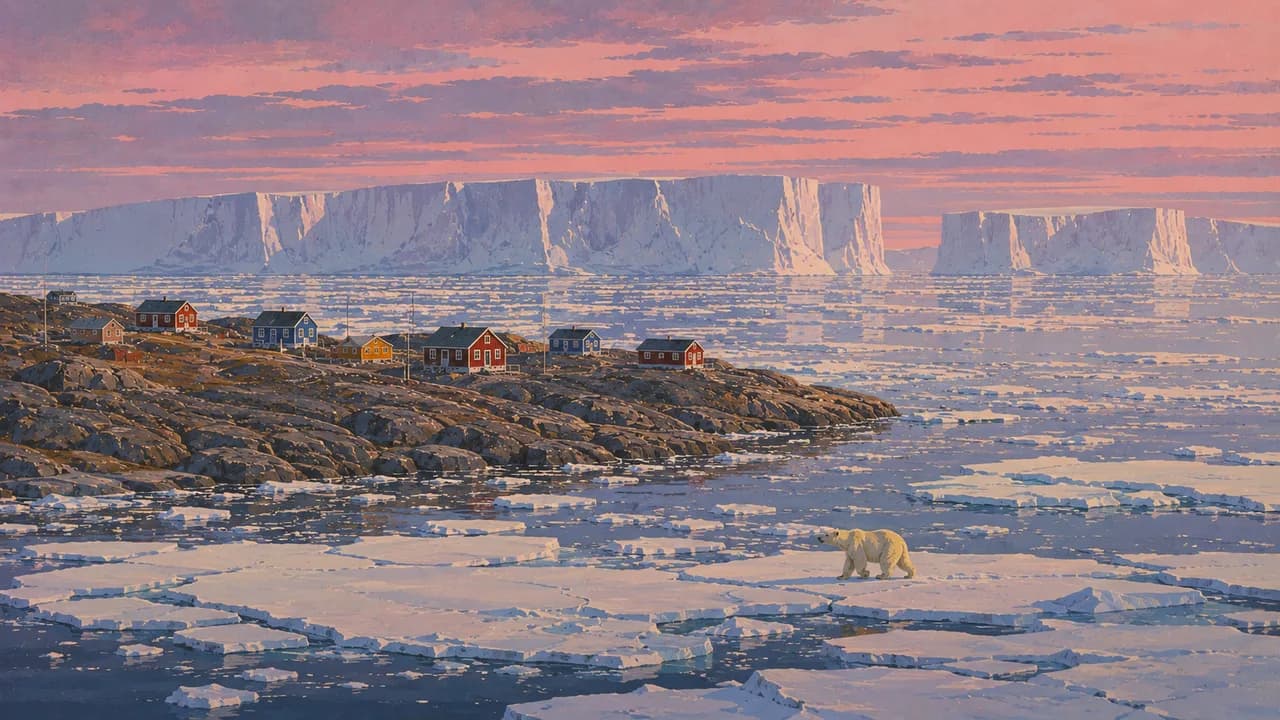
The UNESCO-listed Ilulissat Icefjord and Disko Bay offer icebergs, boat trips and seasonal whale watching, while Qeqertarsuaq adds volcanic landscapes and hiking. Farther north, Uummannaq lies beneath a distinctive mountain and offers encounters with coastal life. South Greenland combines green valleys, sheep farms and Norse ruins around Qaqortoq and Narsarsuaq. Its UNESCO-listed Kujataa landscape reflects both Norse and Inuit farming traditions. Around Kangerlussuaq and Sisimiut, the Arctic Circle Trail crosses open wilderness, and organised excursions reach the edge of the ice sheet.
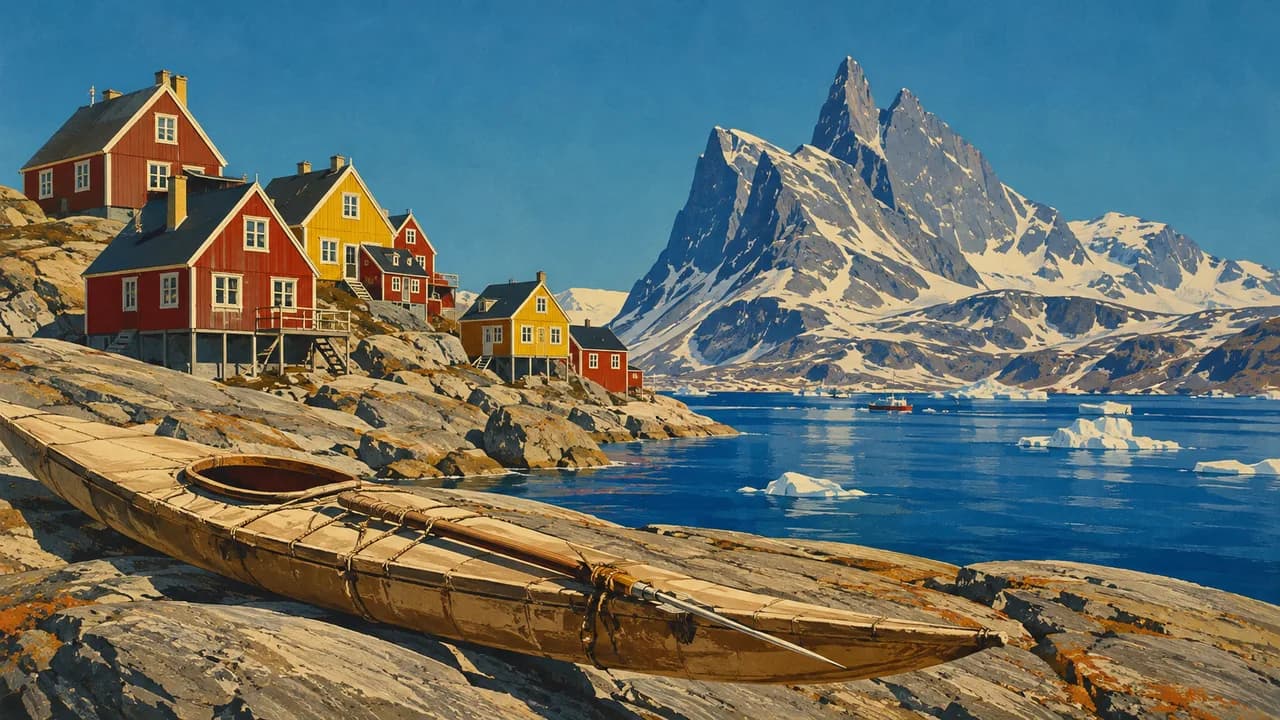
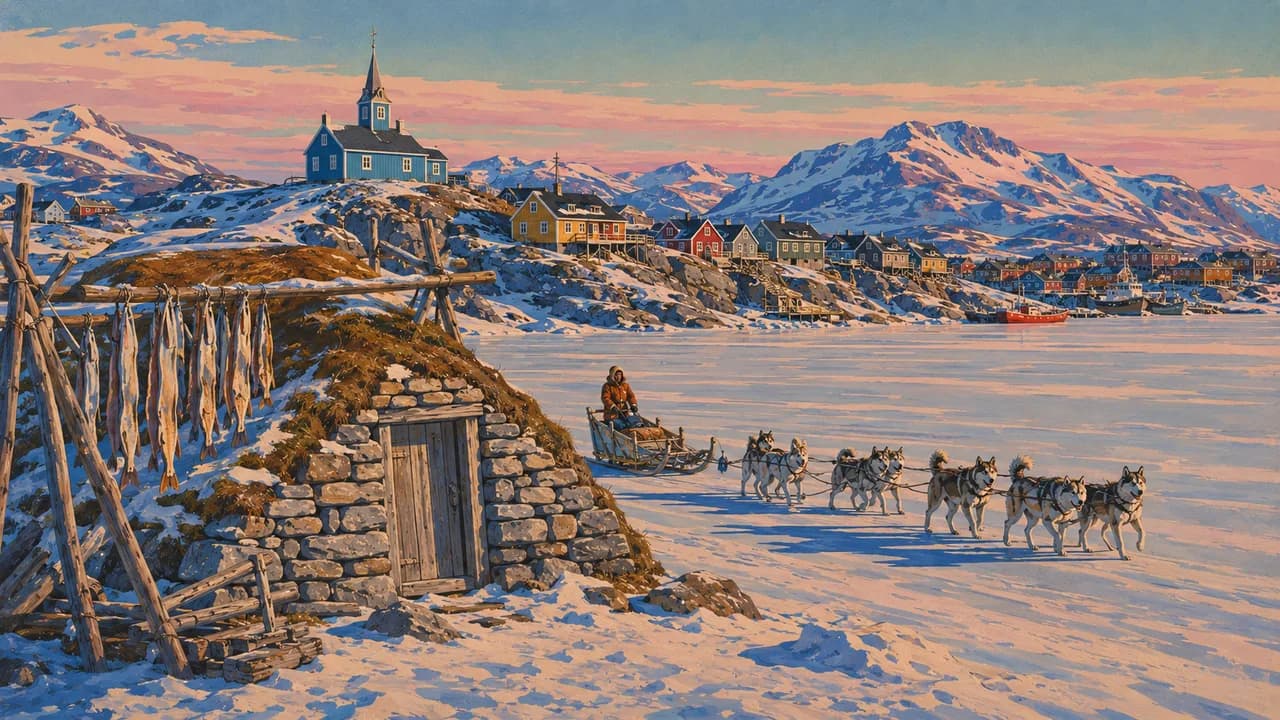
The Aasivissuit–Nipisat World Heritage landscape preserves a long history of Inuit hunting between ice and sea. East Greenland around Tasiilaq and Ittoqqortoormiit brings rugged mountains, fjords and kayaking. Summer offers long days and, north of the Arctic Circle, midnight sun. Darker months bring opportunities for northern lights, while dog sledding depends on region, snow and ice. There is no continuous road network linking the towns, so most journeys between them involve aircraft or boats.
Weather and sea ice can disrupt plans, and remote trips need careful preparation and respect for local communities.
AI edited
- Self-governing
- Political status Greenland is a self-governing part of the Kingdom of Denmark. It is geographically part of North America and has its own entry in the travel catalogue.
- 5
- Municipalities Avannaata, Qeqertalik, Qeqqata, Sermersooq and Kujalleq. Not all territory belongs to a municipality, including Northeast Greenland National Park.
- ≈ 56,900
- Population Rounded from Statistics Greenland. On 1 July 2026, 56,945 people were registered as residents of Greenland. Population figures may subsequently be revised.
- ≈ 2.2 million km²
- Area Rounded total area from Statistics Greenland's Greenland in Figures 2025. Includes the ice-covered interior and is not a measure of ice-free land.
- Greenlandic
- Language Greenlandic, Kalaallisut, is the official language. Regional language varieties also exist, particularly in East and North Greenland.
- Danish & English
- Other languages Danish is widely used and English is spoken in tourism and other settings. Language skills vary by individual and location.
- Danish krone (DKK)
- Currency Greenland uses the Danish krone rather than a separate currency. Ask your provider about payment options and access to cash before visiting smaller communities.
- C · F · K
- Socket types European two-pin plugs and Danish connections are common, with 230 volts and 50 hertz. For earthed appliances, check the appropriate earth connection and the accommodation's sockets. An adapter does not convert voltage.
- Nuuk
- Capital The clock strip defaults to Nuuk rather than implying a single time throughout Greenland. It compares the time with the browser zone and a saved home location where available.
- Right-hand traffic
- Driving side Traffic drives on the right in towns. There is no continuous road network linking the towns. Regional journeys mainly use aircraft, helicopters or ships.
- UTC−4 to UTC+0
- Time zones Nuuk and most inhabited places use UTC−2 in winter and UTC−1 in summer. Pituffik and Danmarkshavn have different time rules. The clock selector offers these regional zones. Times use the browser's time-zone database.
- 2
- UNESCO cultural sites Kujataa and Aasivissuit–Nipisat are UNESCO cultural World Heritage sites. Ilulissat Icefjord is natural heritage and is not included in this count. Checked in October 2026.
Greenland on the map

Map data: geoBoundaries (CC BY 4.0), © OpenStreetMap contributors (ODbL), Natural Earth
Climate and best time to travel
Greenland's travel seasons vary considerably by region and activity. June to September offer opportunities for boat trips and hiking in many coastal regions. July and August are usually more suitable for the Arctic Circle Trail, as snow and river crossings can add difficulties in early summer. South Greenland's cultural landscapes turn green in summer, while trips into East Greenland's fjords depend especially on sea ice and local connections. Summer brings midnight sun north of the Arctic Circle, but not throughout the country. The darker months from September to March offer opportunities for northern lights under clear skies. Dog sledding is generally a late-winter and spring activity, depending on region and suitable snow and ice. Nuuk offers museums, art and food outside the main travel season as well. Month ranges are only a guide and do not guarantee wildlife sightings or access. Allow flexibility for tours and transfers and follow local advice.