Canada
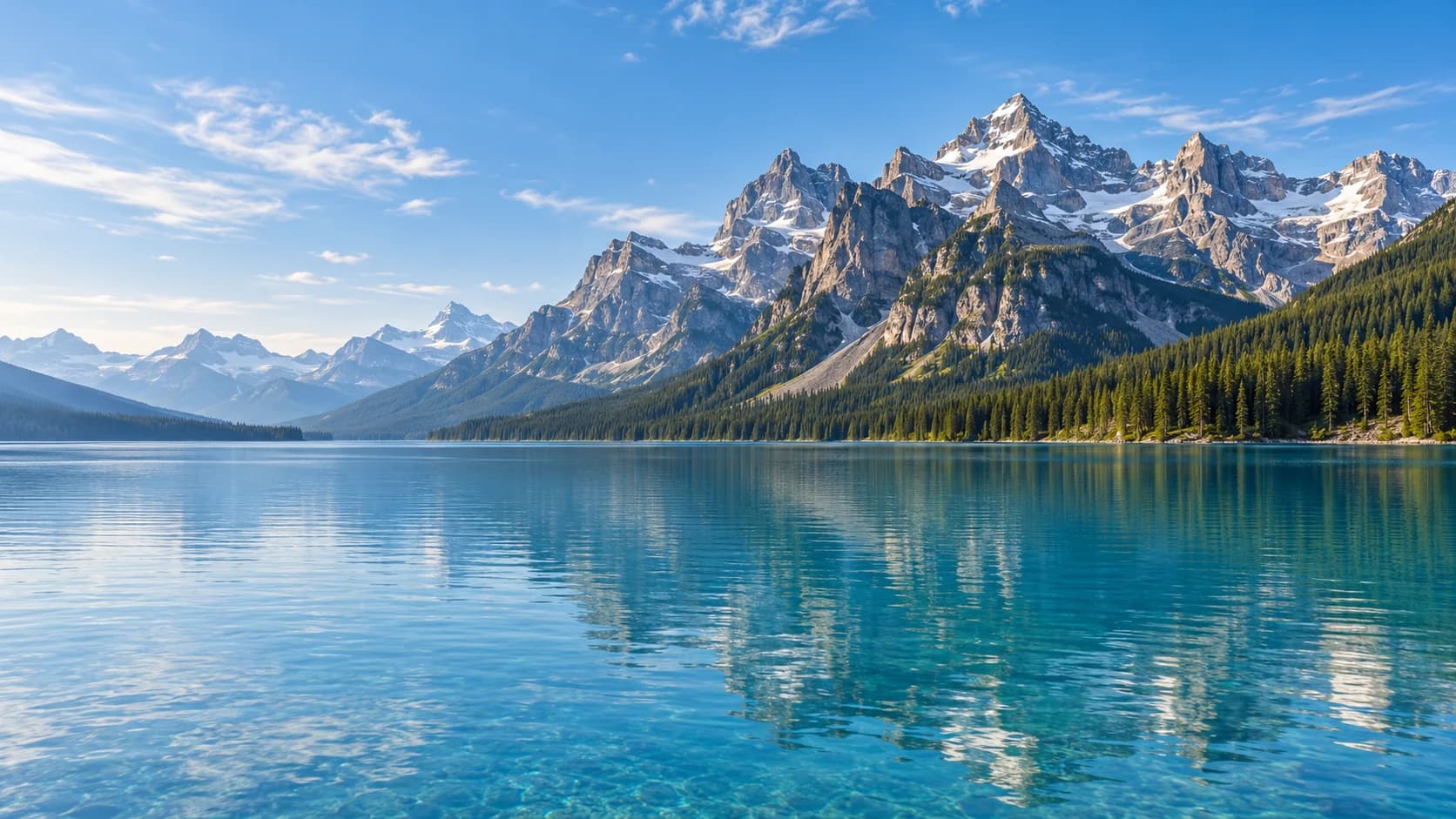
Mountain lakes, temperate rainforests, prairie horizons and northern skies meet vibrant cities, living cultures and regional cooking.
Worth coming back!
Wanderlama keeps growing with new destinations, helpful information and exciting features. Check back soon and discover what is new!
Travel to Canada
Canada is the world's second-largest country by total area, spanning Pacific rainforests, prairie grasslands, boreal lakes and Arctic tundra. First Nations, Inuit and Métis cultures are living and diverse, alongside English-speaking, French-speaking and immigrant communities. Vast distances make regional journeys more practical than trying to combine the country in one trip.
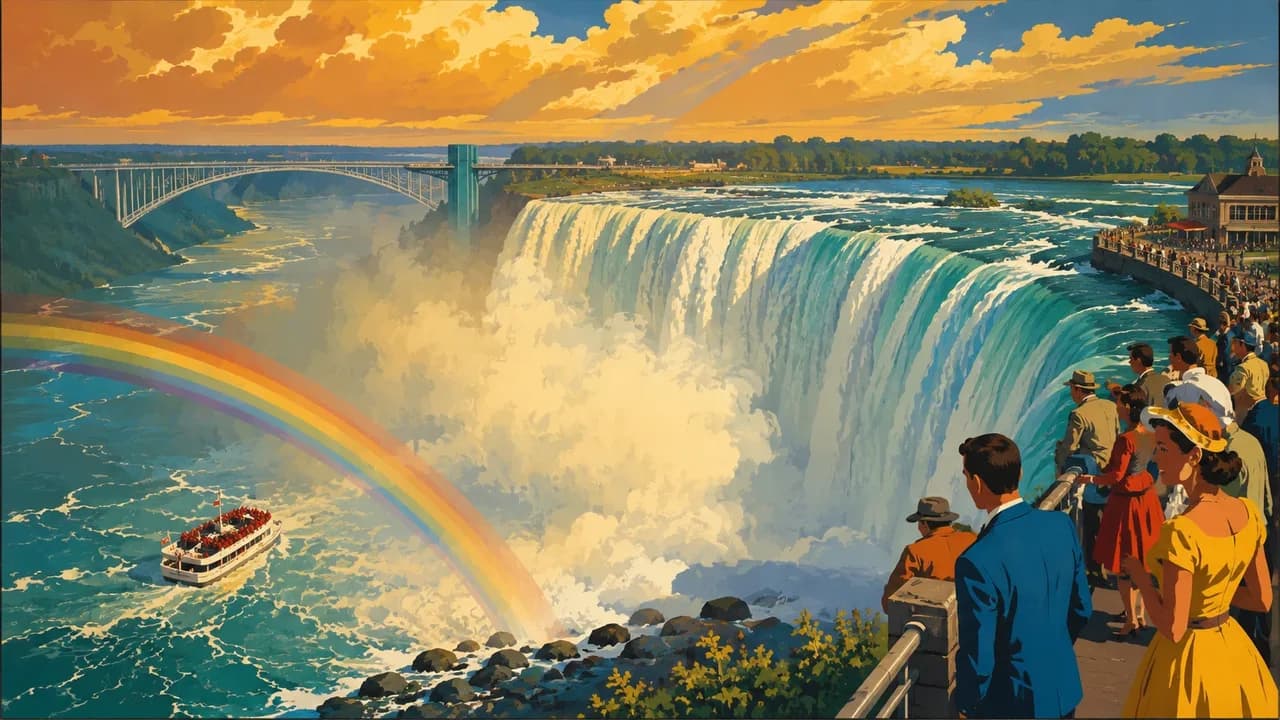
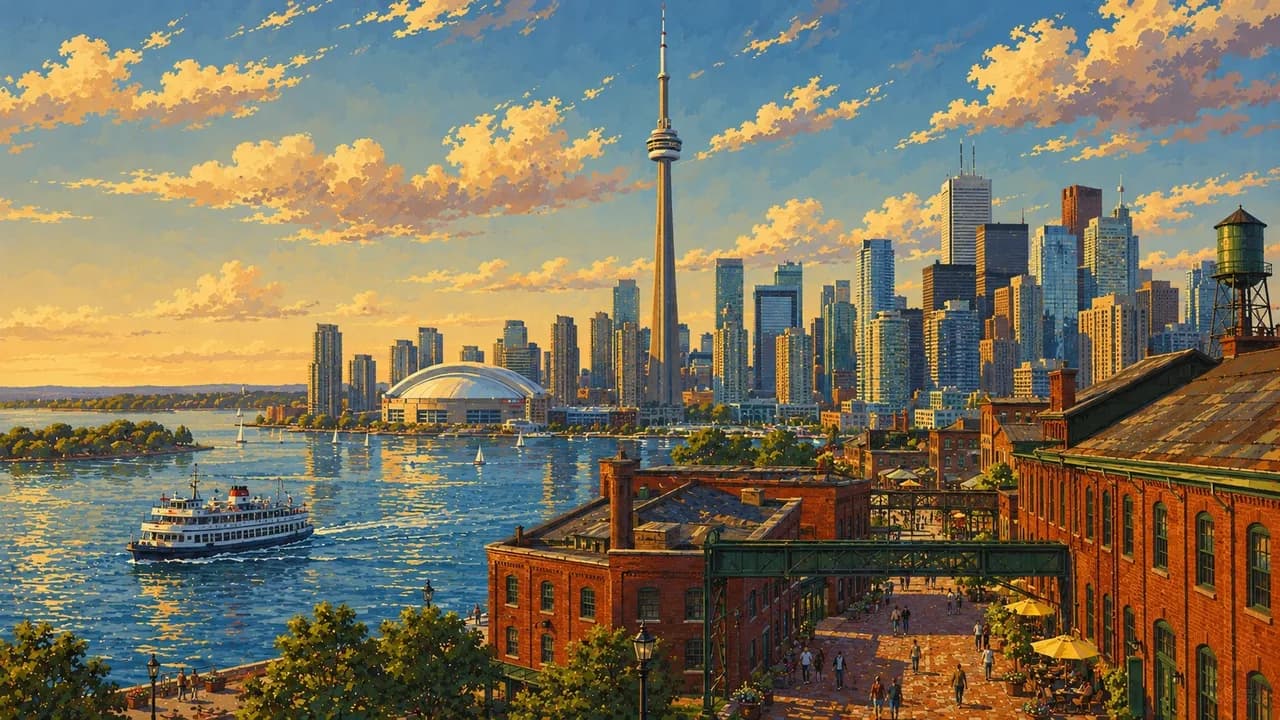
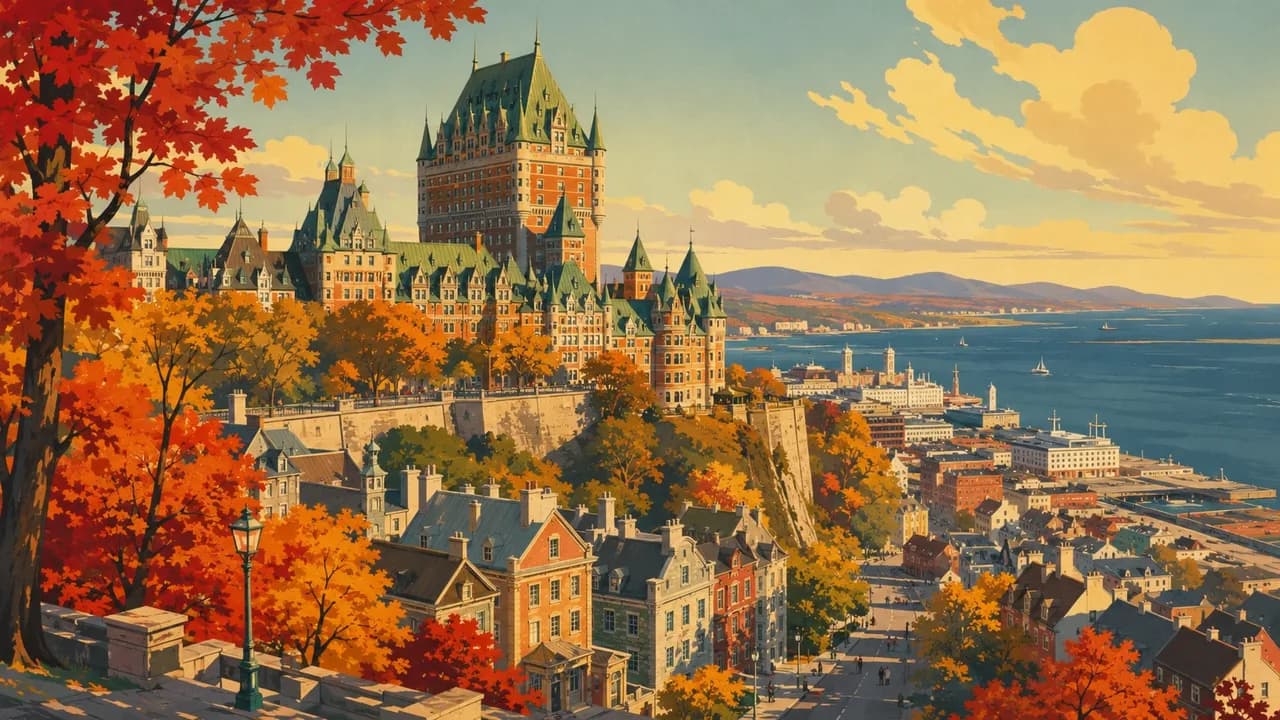
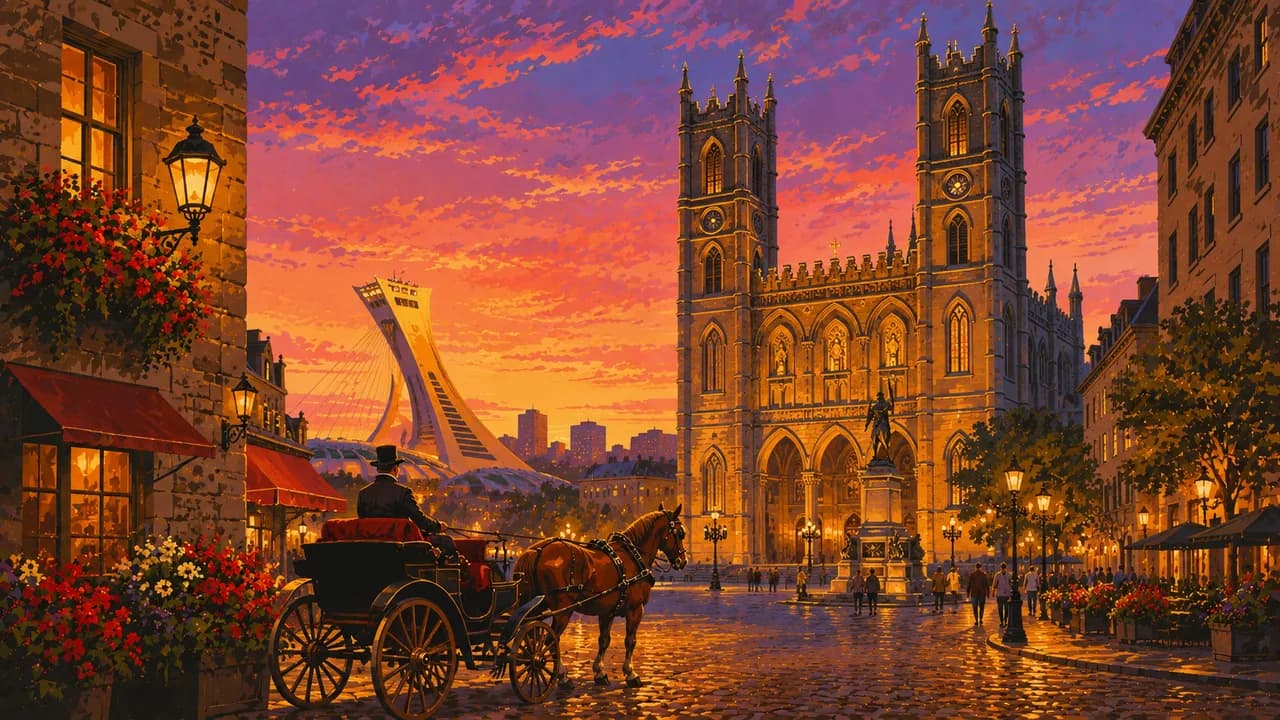
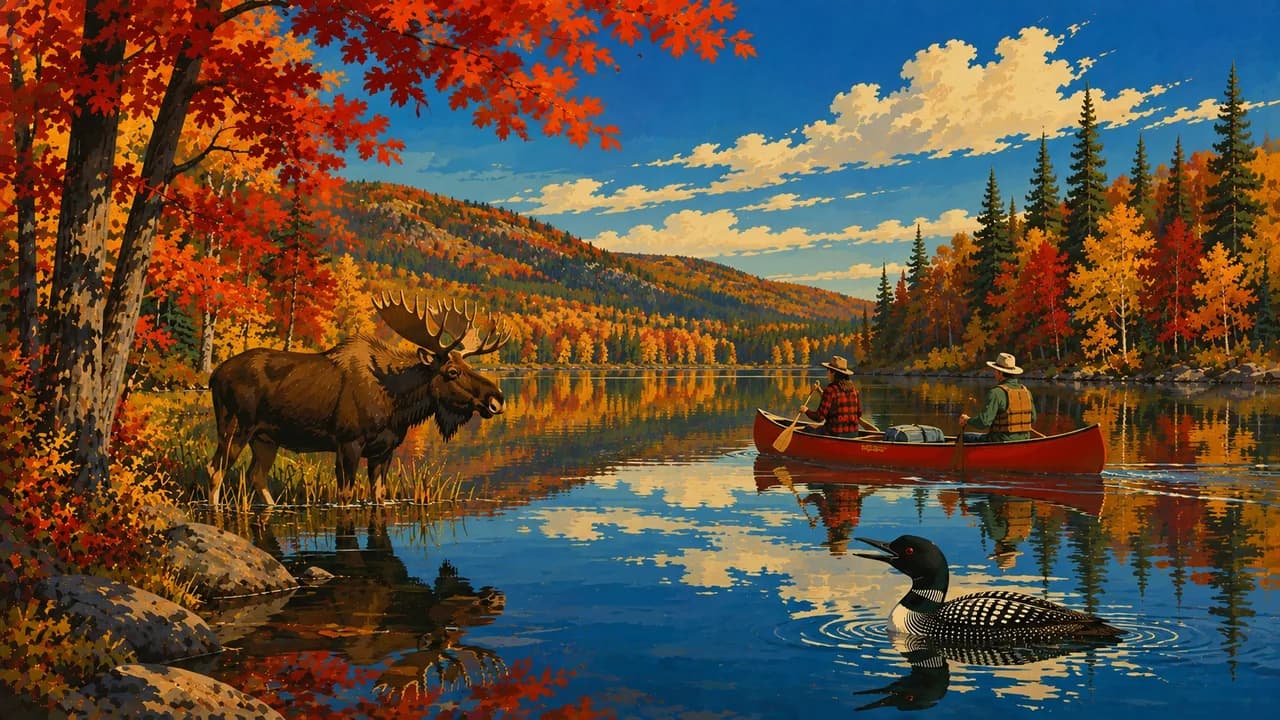
Toronto's neighbourhoods and Niagara Falls introduce southern Ontario, while Ottawa adds the national capital's museums and waterways. Algonquin Provincial Park offers forest lakes and canoe routes. Montréal and Québec City combine French-speaking urban life with architecture and food traditions, while Tadoussac opens onto the St Lawrence's whale habitats.
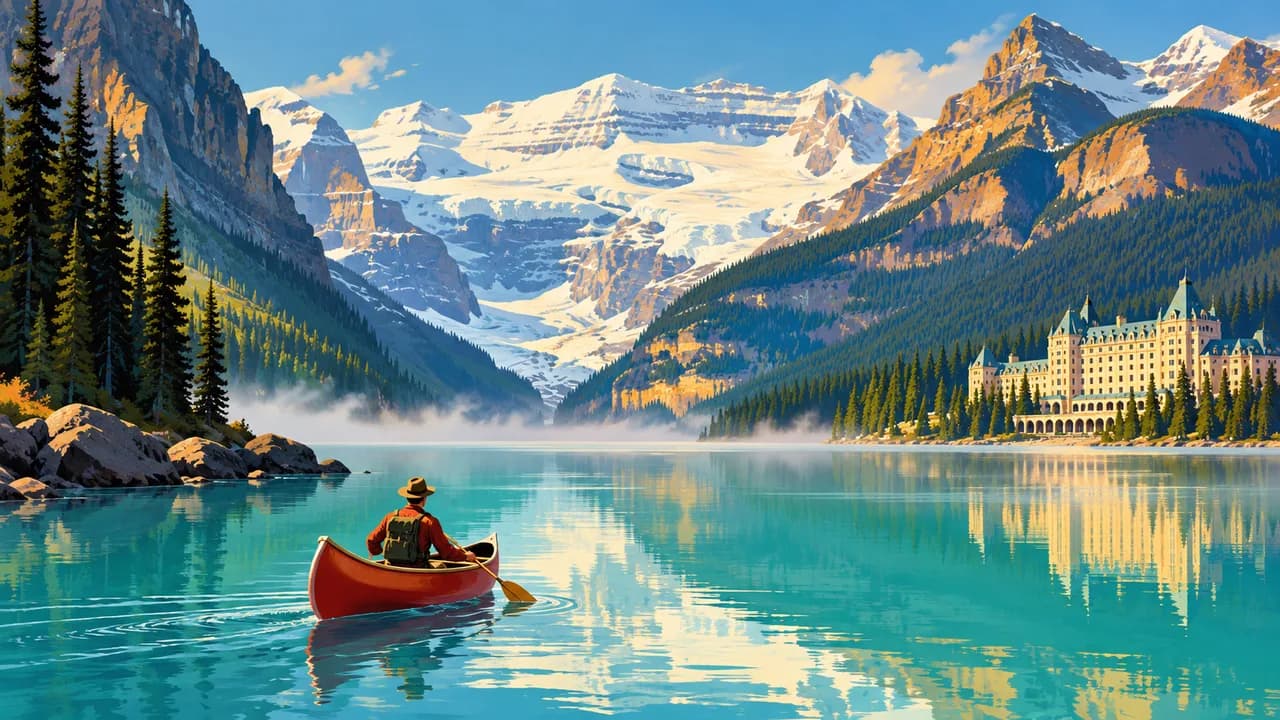
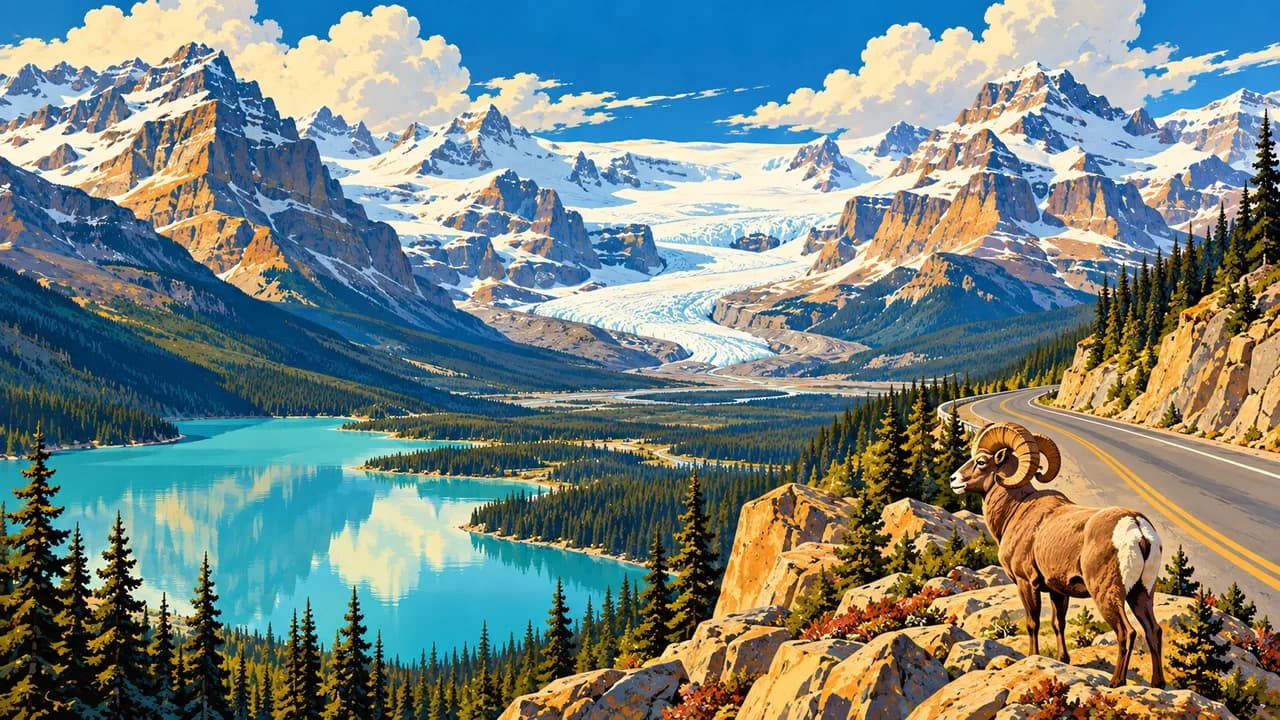
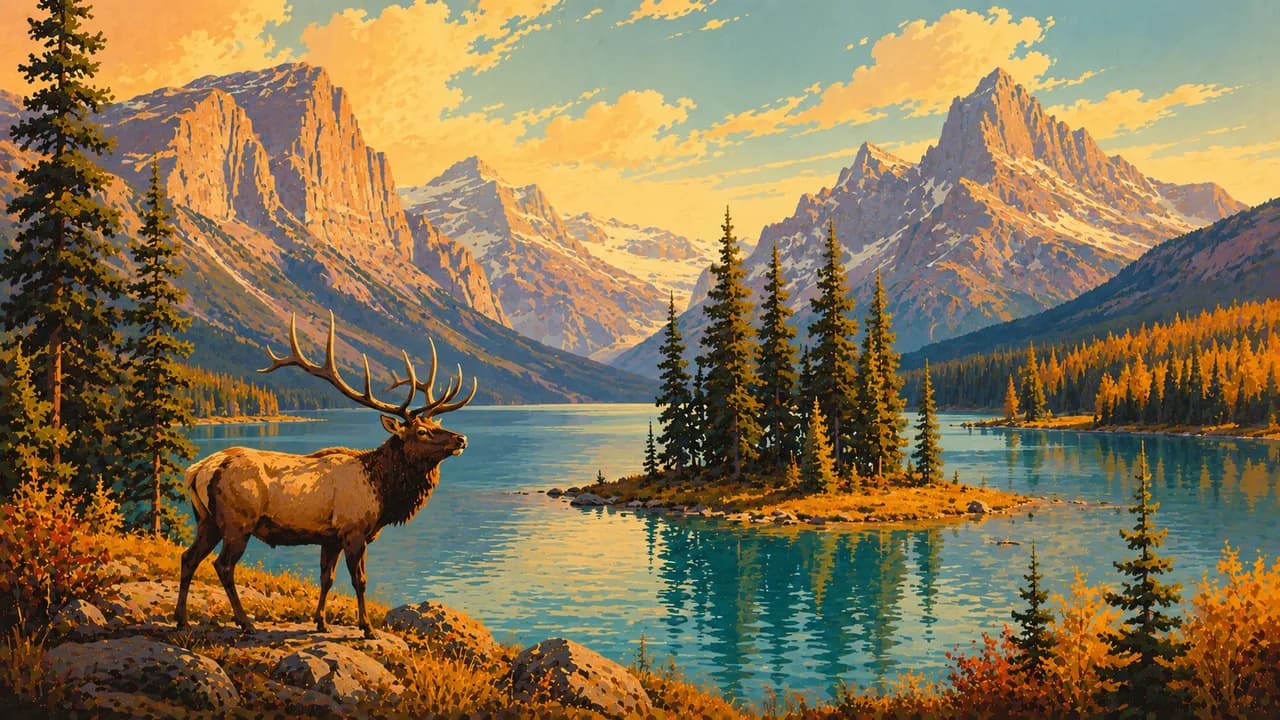
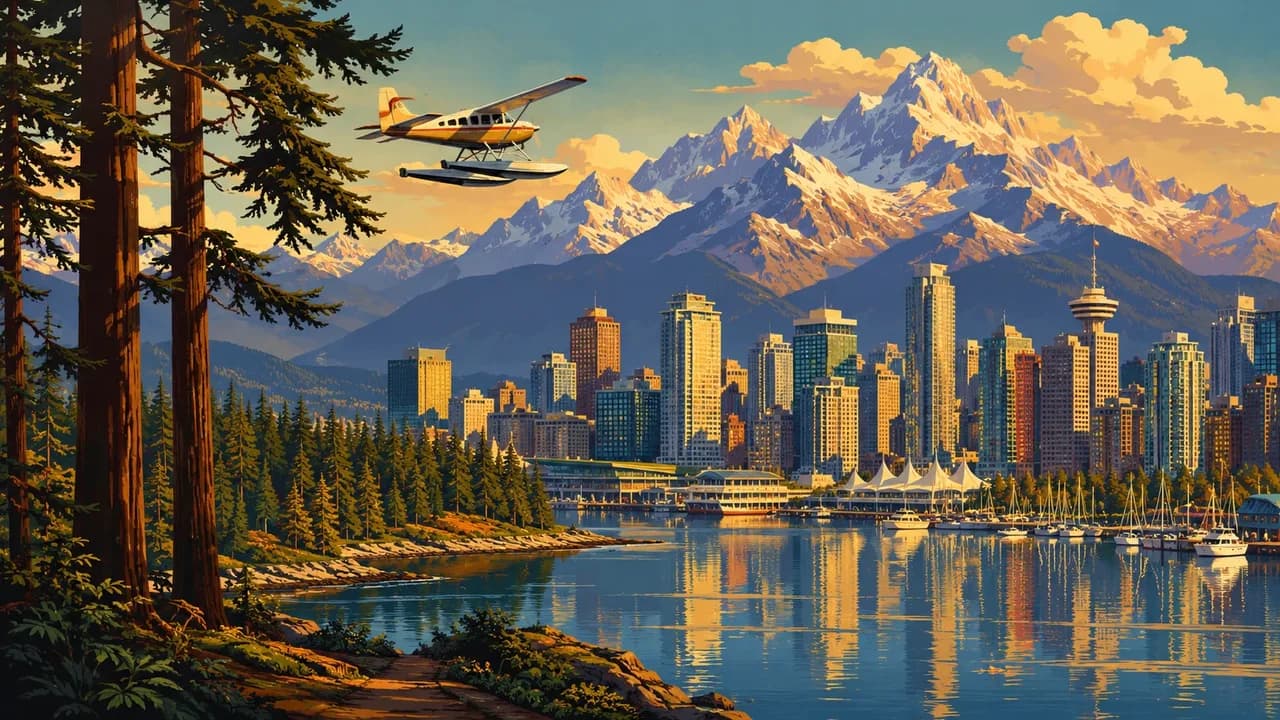
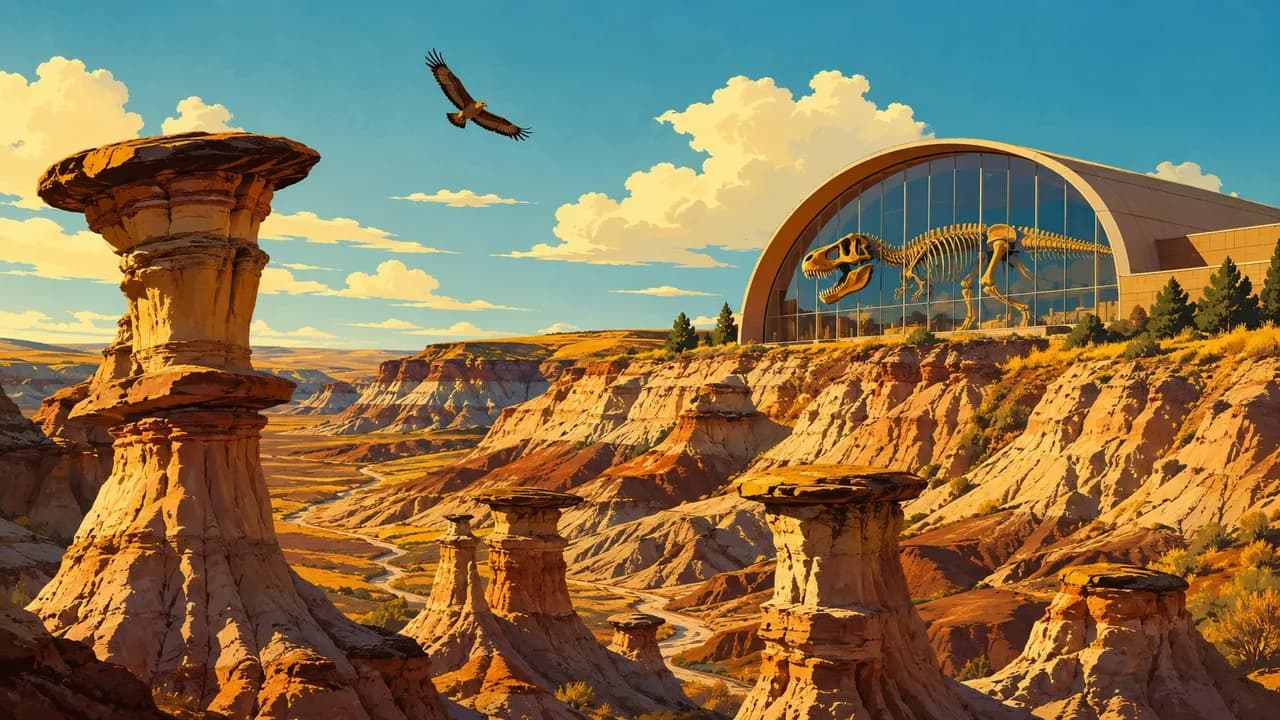
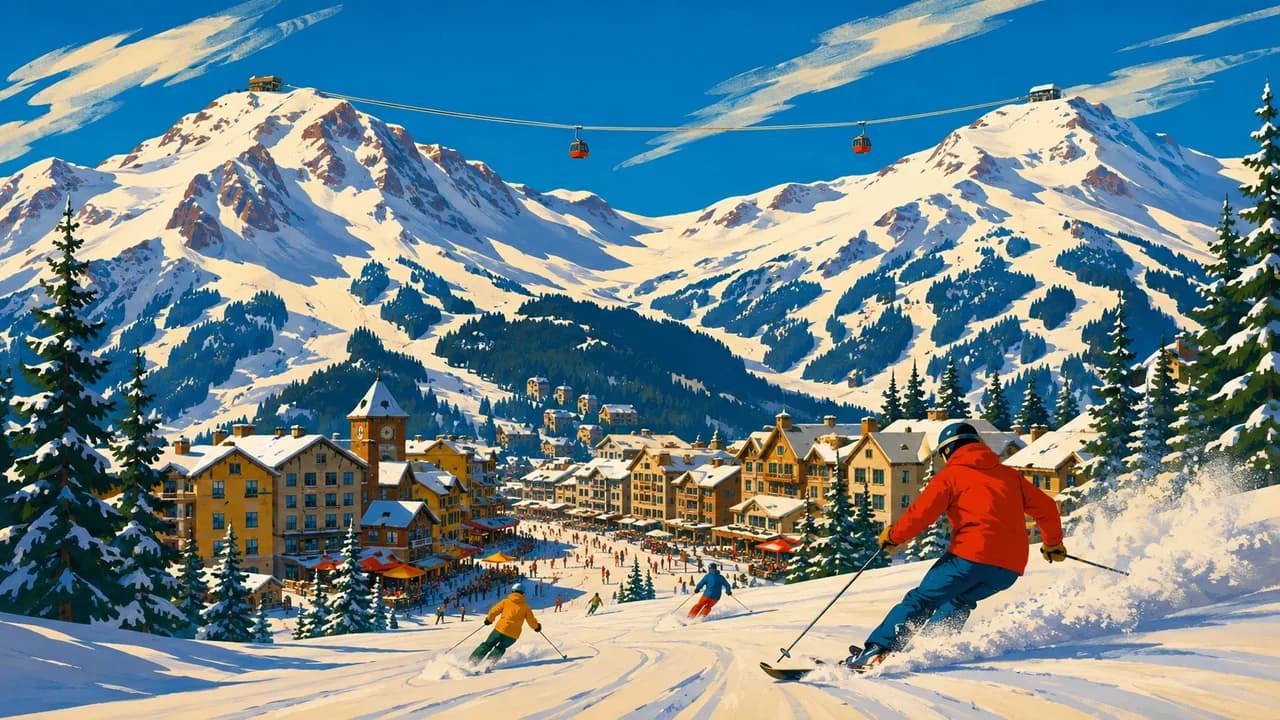
Vancouver links coastal city life with mountains, while Victoria and Tofino reveal Vancouver Island's towns, temperate rainforest and Pacific beaches. Haida Gwaii offers living Haida culture and protected coastal landscapes, best explored through community-led arrangements. Whistler and Kelowna add mountain recreation and Okanagan vineyards. Calgary leads towards the Rocky Mountain parks of Banff, Lake Louise, the Icefields Parkway and Jasper, with glaciers, alpine trails and turquoise lakes. Edmonton and Drumheller's fossil-rich badlands broaden Alberta beyond the mountains.
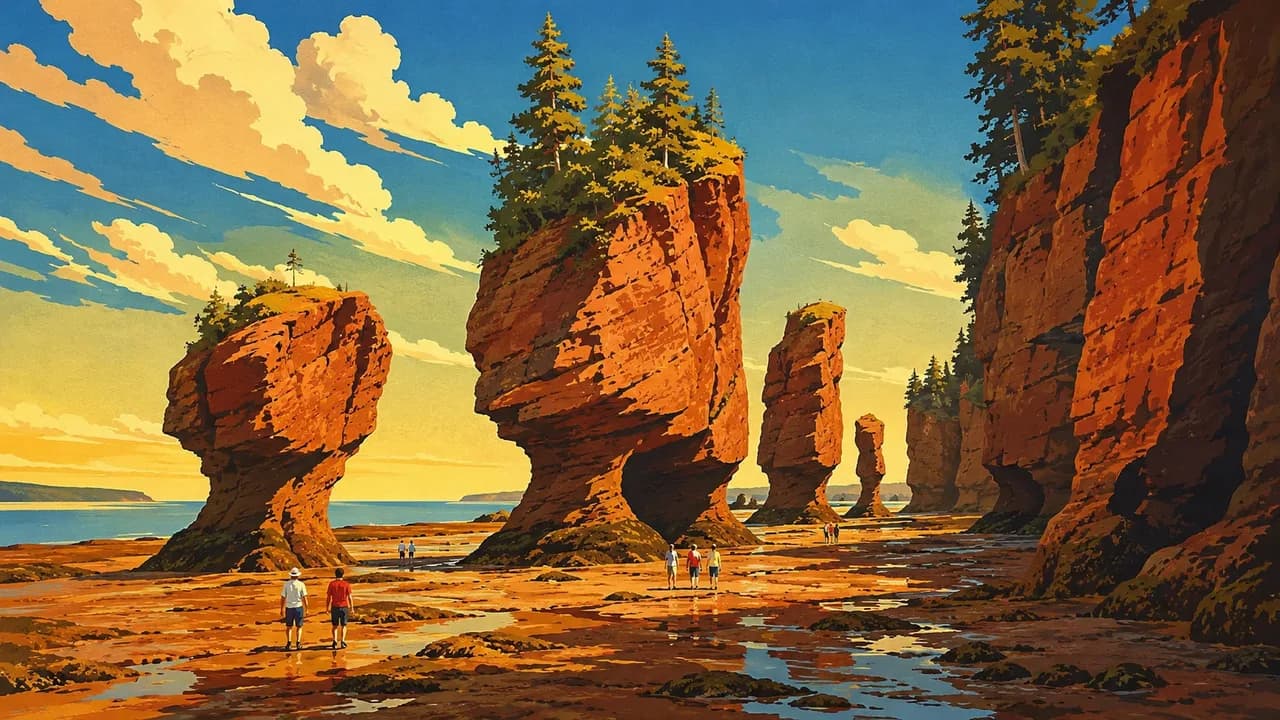
Winnipeg and Saskatchewan's grasslands introduce prairie cities and landscapes, while Churchill on Hudson Bay requires specialist planning in polar-bear country. Atlantic Canada adds Halifax, Cape Breton Island and Prince Edward Island's shores, alongside Acadian and maritime traditions. The Bay of Fundy is shaped by powerful tides, while Newfoundland's St. John's and Gros Morne combine coastal communities with striking geology. Seasonal whales occur off different coasts, but sightings are never guaranteed.
Whitehorse in the Yukon and Yellowknife in the Northwest Territories offer northern gateways, while Nunavut introduces Arctic landscapes and Inuit-led experiences requiring separate arrangements. Northern lights need darkness, clear skies and suitable solar activity, not just a booked tour. Poutine, maple products, Pacific salmon and Atlantic seafood express regional cooking. Respect community permissions, use qualified guides where needed and keep wildlife undisturbed. Seasonal access, winter conditions and wildfire disruption influence routes, while park reservations and long transfers shape regional journeys.
AI edited
- 10 + 3
- Provinces & territories Canada comprises 10 provinces and 3 territories. Nunavut, the Northwest Territories and Yukon are territories, not provinces or interchangeable tourism regions.
- ≈ 37.0 million
- Population Rounded from 36,991,981 people in the Statistics Canada census of 2021. A historical census count, not a current population estimate or projection.
- ≈ 9.98 million km²
- Area Rounded from the Statistics Canada total-area reference of 9,984,670 square kilometres, including freshwater. Total area is not the census land-area measure.
- English & French
- Languages English and French are federal official languages. Provincial and territorial language arrangements differ, and individual bilingualism is not universal.
- Indigenous & community languages
- Other languages First Nations, Inuit and Métis communities maintain distinct languages and varieties, including Cree, Inuktut and Michif. Immigrant communities add many other languages. Usage and official recognition vary by region.
- Canadian dollar (CAD)
- Currency The currency code is CAD. Canadian and US dollars are different currencies. Confirm prices, payment currency, cash needs and card acceptance before remote trips.
- A · B
- Socket types Plug types A and B. Confirm voltage, frequency and device compatibility with accommodation. A travel adaptor does not convert voltage.
- Ottawa
- Capital Ottawa in Ontario is the national capital. Toronto is Ontario's provincial capital, not Canada's capital.
- Right-hand traffic
- Driving side Traffic drives on the right. Long distances, winter roads, wildlife and limited remote services require planning. Check road closures, conditions and vehicle requirements locally.
- UTC−8 to UTC−3:30
- Time zones Ottawa is shown initially. Regional clocks differ, including Newfoundland's half-hour offset. Yukon and most of British Columbia use UTC−7 year-round, while other regions may change clocks. Local exceptions apply, check your destination.
Canada on the map

Map data: geoBoundaries (CC BY 4.0), © OpenStreetMap contributors (ODbL), Natural Earth
Climate and best time to travel
Canada has no single nationwide travel season. Coastal rain, prairie extremes, alpine snow and Arctic conditions differ sharply. Summer hiking, winter sports, autumn colour and aurora windows are regional planning guidance, not weather or access guarantees. Check Parks Canada and provincial park alerts, wildfire and smoke conditions, road closures, avalanche information and reservations. Remote and northern trips need suitable equipment, qualified guiding and community permissions.
Destinations in Canada
 AI generated
 AI generated
 AI generated
 AI generated
 AI generated
 AI generated
 AI generated
 AI generated
 AI generated
 AI generated
 AI generated
 AI generated