Saint Pierre and Miquelon
Saint-Pierre-et-Miquelon
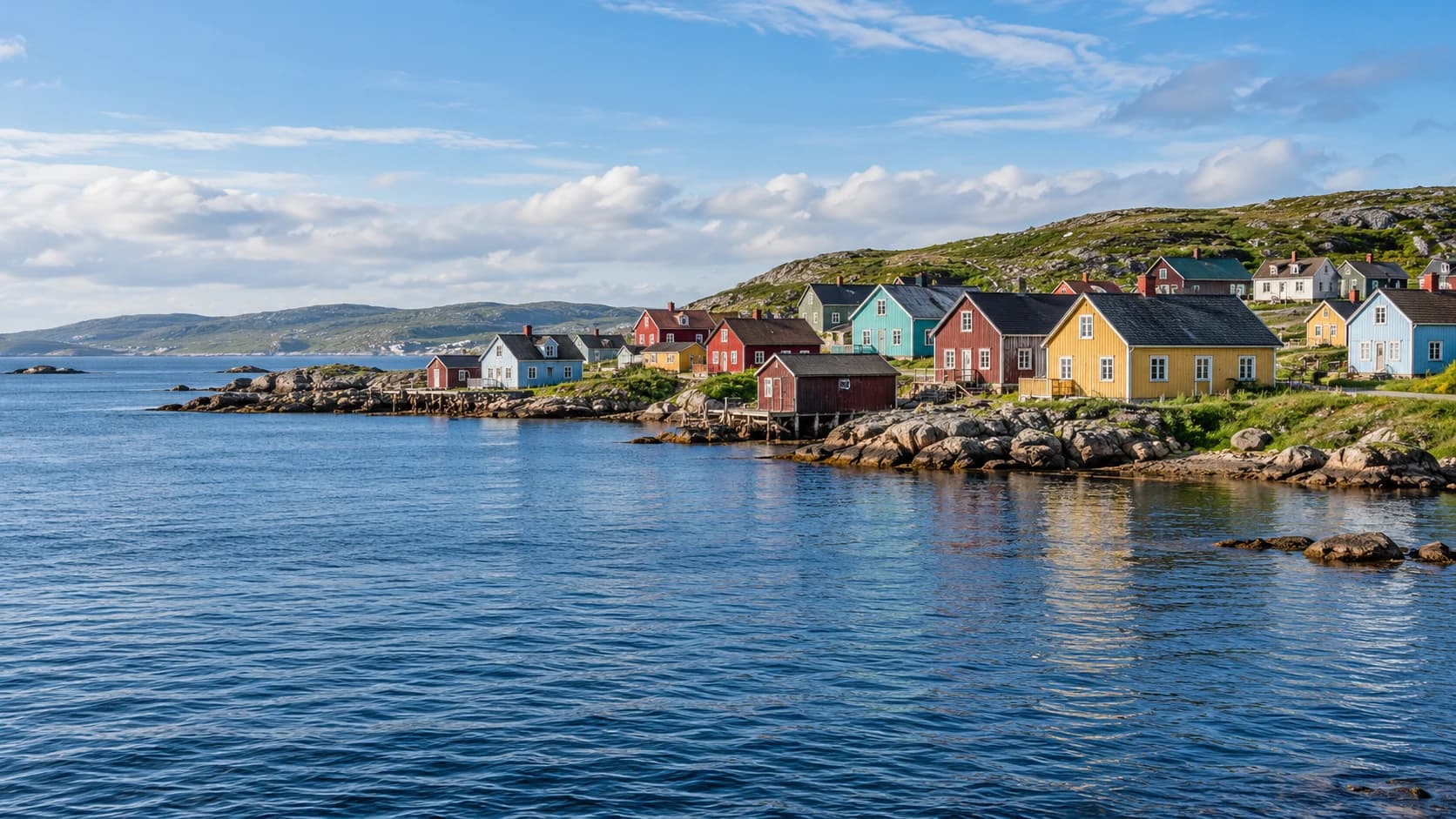
Colourful harbour houses, fishing heritage and windswept island trails meet seabirds, seals and French café life.
Worth coming back!
Wanderlama keeps growing with new destinations, helpful information and exciting features. Check back soon and discover what is new!
Travel to Saint Pierre and Miquelon
Saint Pierre and Miquelon is a French overseas collectivity in the North Atlantic, off Newfoundland's southern coast. The archipelago retains ties to the history of New France, with French as its official language and the euro as its currency. Colourful wooden houses, fishing harbours and windswept coastal landscapes shape its character.
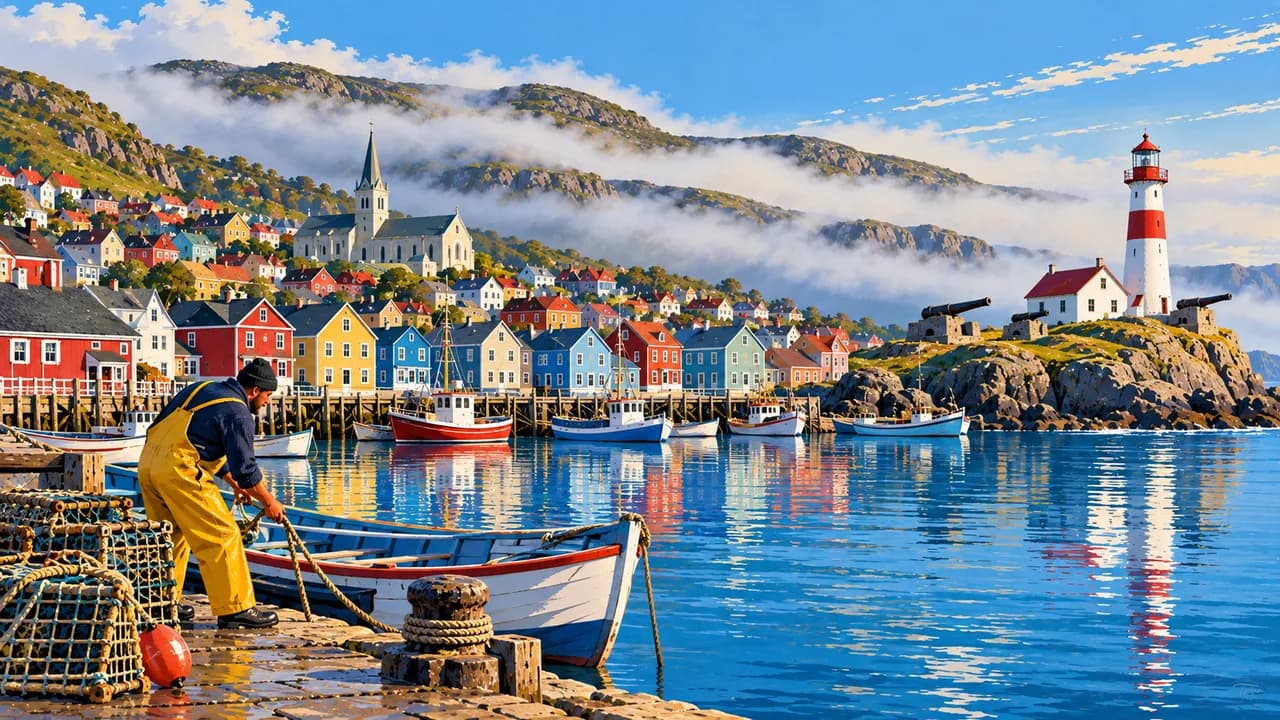
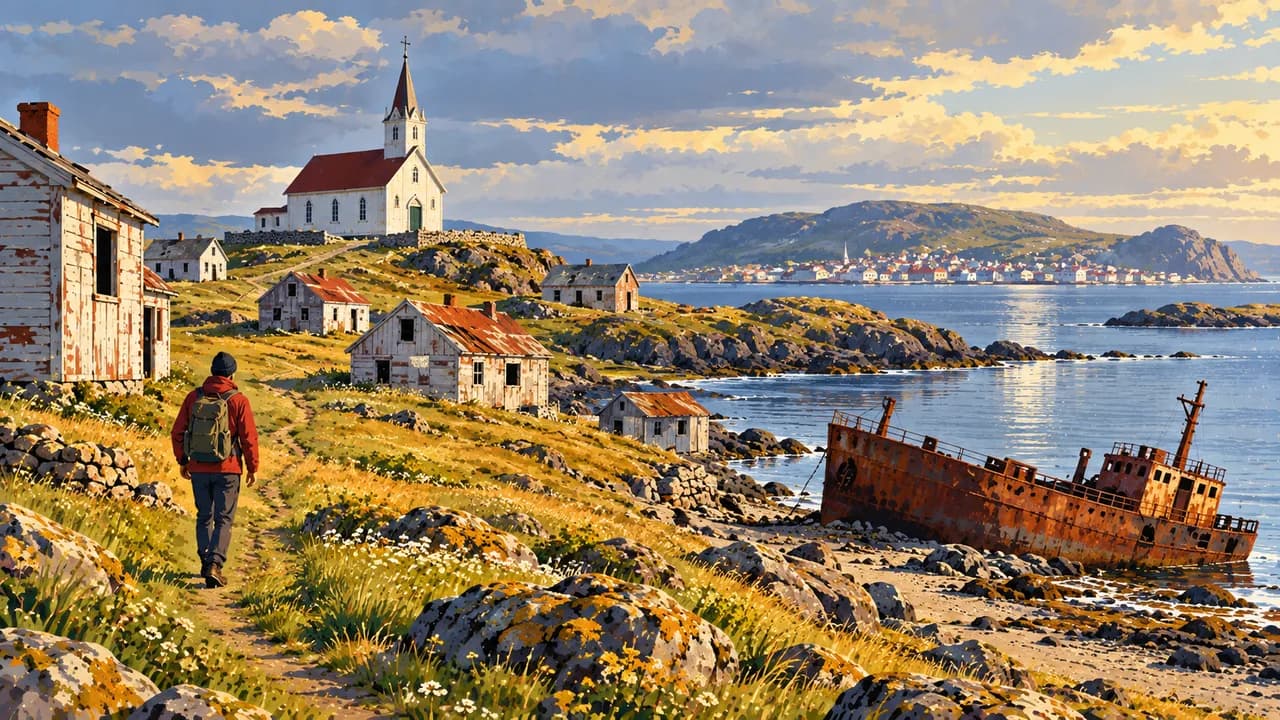
Saint-Pierre is the main town, with cafés, bakeries, a cathedral and the Pointe aux Canons lighthouse beside the harbour. L'Arche museum and archives introduce the islands' history. Across the water, Île aux Marins preserves a former fishing settlement, its church and the Archipélitude museum in historic buildings.
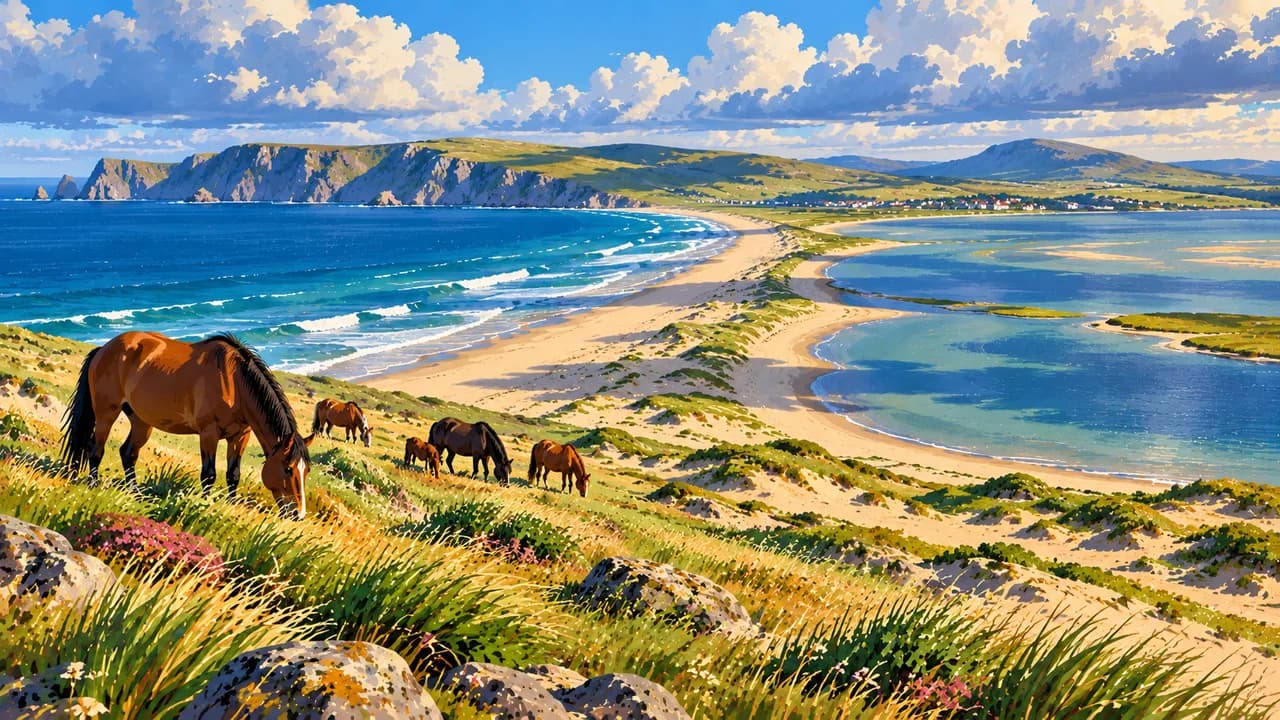
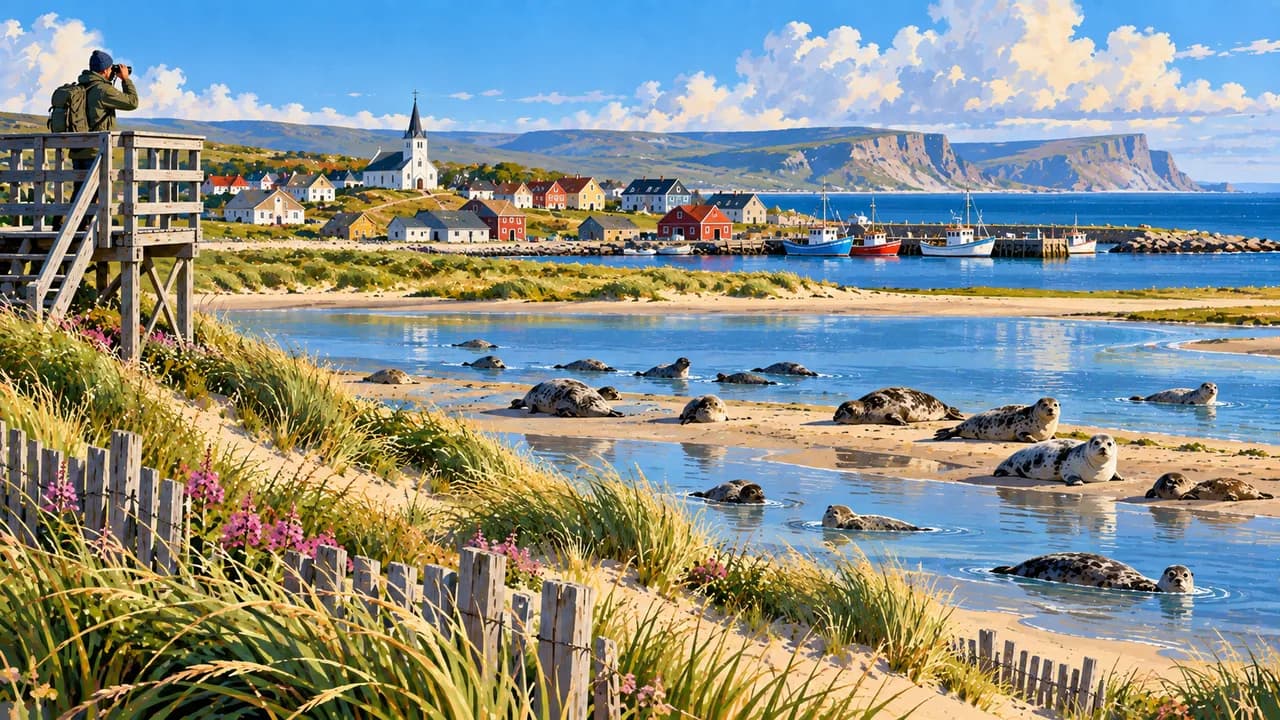
Miquelon and Langlade are linked by a sandy isthmus rather than separated by open sea. The village of Miquelon reflects Acadian heritage, while Cap de Miquelon offers walks above ocean cliffs. Dunes surround the Grand Barachois lagoon, where grey and harbour seals can be observed without approaching or disturbing them. Langlade adds moorland, wooded valleys, beaches and summer homes.
Grand Colombier near Saint-Pierre is a nesting site for Atlantic puffins and other seabirds. Boat outings depend on weather and nesting seasons, and wildlife sightings are never guaranteed. Basque, Breton, Norman and Acadian roots contribute to local culture, while seafood, French baking and café life complement outdoor excursions.
Flights from Canada and ferries from Fortune in Newfoundland provide access, with inter-island connections needing separate planning. Summer offers more visitor activities, but fog, wind and rough seas can disrupt excursions and transport. Check seasonal services and reserve accommodation and crossings ahead, leaving flexibility between connections. Guided walks and boat trips introduce fragile habitats and fishing heritage. The islands suit coastal exploration rather than a warm-water beach holiday.
AI edited
- 2
- Communes The French overseas collectivity comprises Saint-Pierre and Miquelon-Langlade. These are administrative communes, not a count of islands.
- ≈ 5,800
- Population Rounded from INSEE's 2022 municipal population of 5,819. This is a dated census count, not a current estimate.
- ≈ 242 km²
- Area IEDOM gives the archipelago's total area as 242 square kilometres. This is land territory, not the surrounding maritime zone.
- French
- Language French is the official language and the main language of everyday life. English proficiency varies between people and services.
- English
- Other languages English may be used in tourism and exchanges with neighbouring Canada. It is not an additional official language and should not be assumed everywhere.
- Euro (EUR)
- Currency The currency is the euro, code EUR. Confirm card acceptance and cash needs locally rather than assuming Canadian or US dollars are accepted.
- C · E
- Socket types French type E sockets accept compatible type C plugs. Check the electrical supply and device compatibility with your accommodation. A travel adaptor does not convert voltage.
- Saint-Pierre
- Administrative centre Saint-Pierre is the administrative centre of this French overseas collectivity. It is not the capital of an independent state.
- Right-hand traffic
- Driving side Traffic drives on the right. Local roads do not connect Saint-Pierre with Miquelon-Langlade. Confirm vehicle rental, ferry carriage and weather conditions separately.
- UTC−3 / UTC−2
- Time zone One time zone with UTC−3 in winter and UTC−2 in summer. Clock changes follow North American dates, which can differ from Europe. Browser and home-location differences are calculated for the current date.
Saint Pierre and Miquelon on the map

Map data: geoBoundaries (CC BY 4.0), © OpenStreetMap contributors (ODbL), Natural Earth
Climate and best time to travel
A cool maritime climate brings wind, fog and changeable weather throughout the year. June to September is a broad window for outdoor visits and seasonal tourism services, not a dry-season or sunshine guarantee. July and August are generally milder. Waterproof layers and flexible connections matter even in summer. Check Météo-France forecasts, boat operations, trail access and museum opening before setting out.