Japan
日本
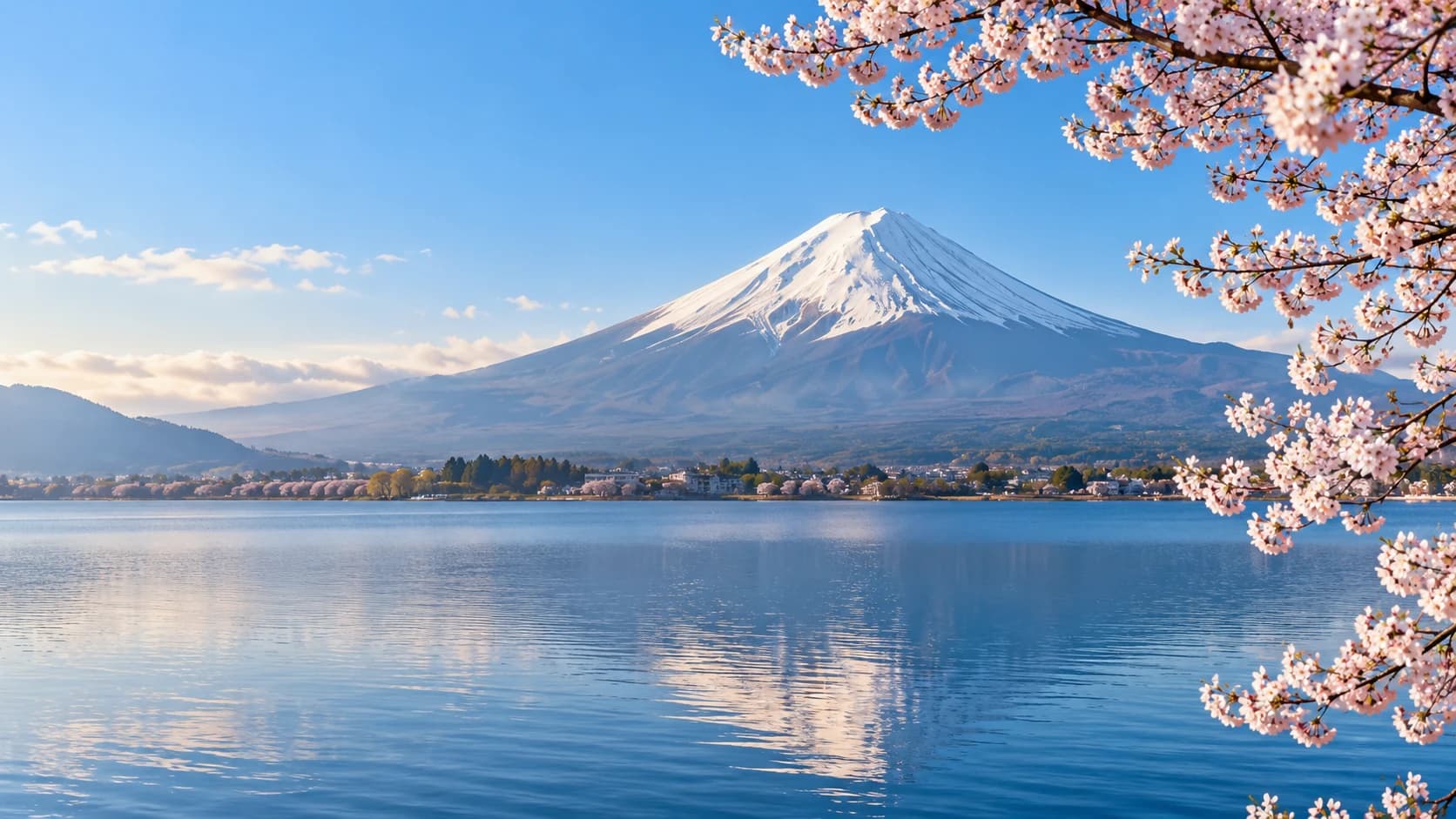
Temples and modern cityscapes, volcanic mountains and diverse food traditions between cherry blossoms, hot springs and subtropical islands.
Worth coming back!
Wanderlama keeps growing with new destinations, helpful information and exciting features. Check back soon and discover what is new!
Travel to Japan
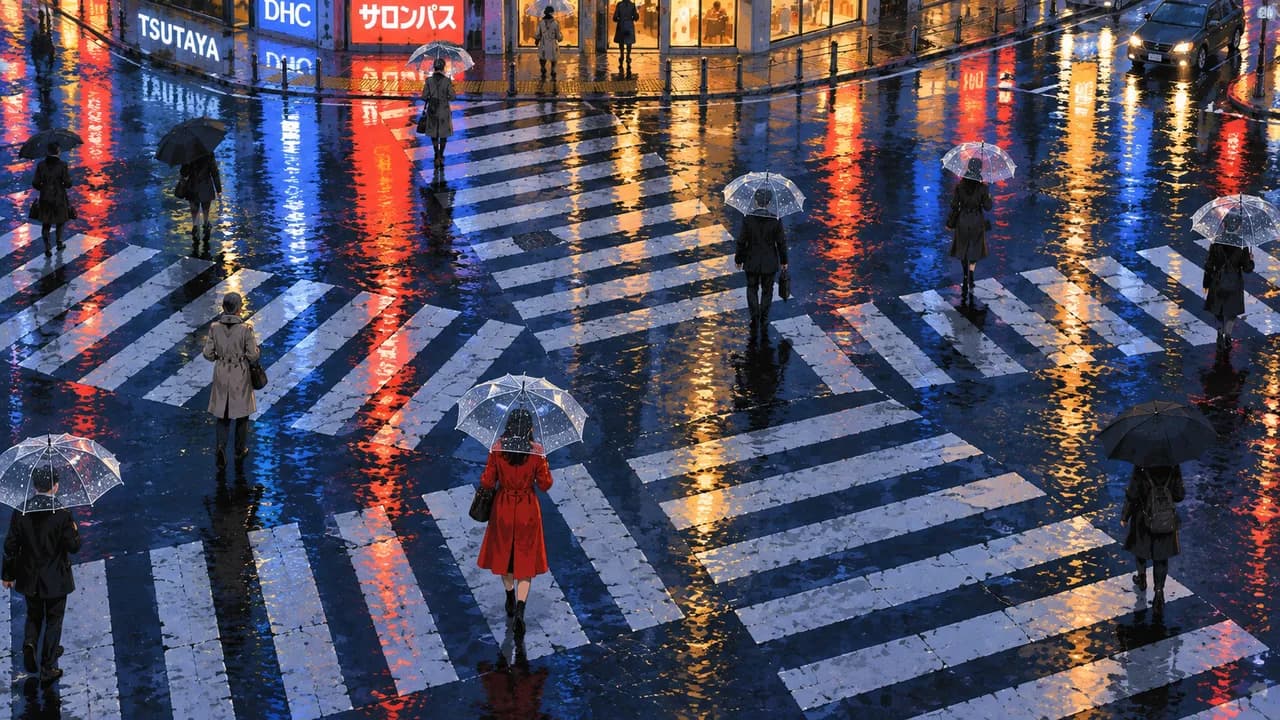
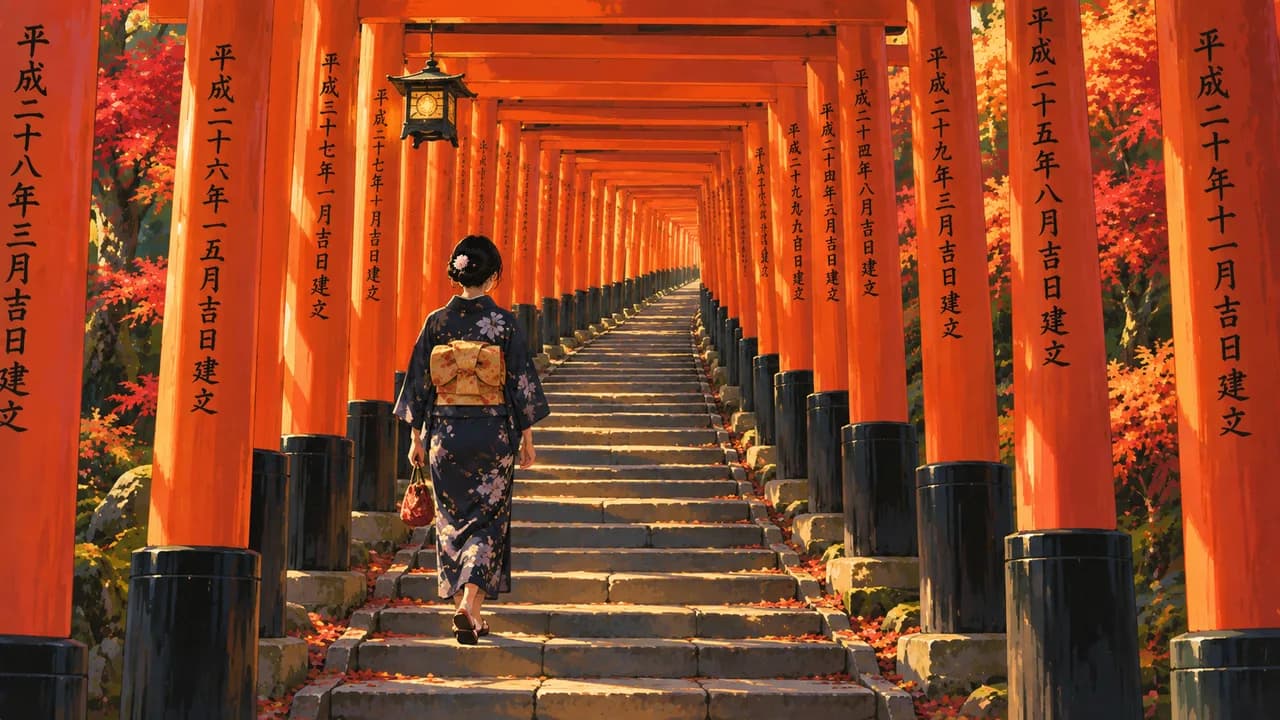
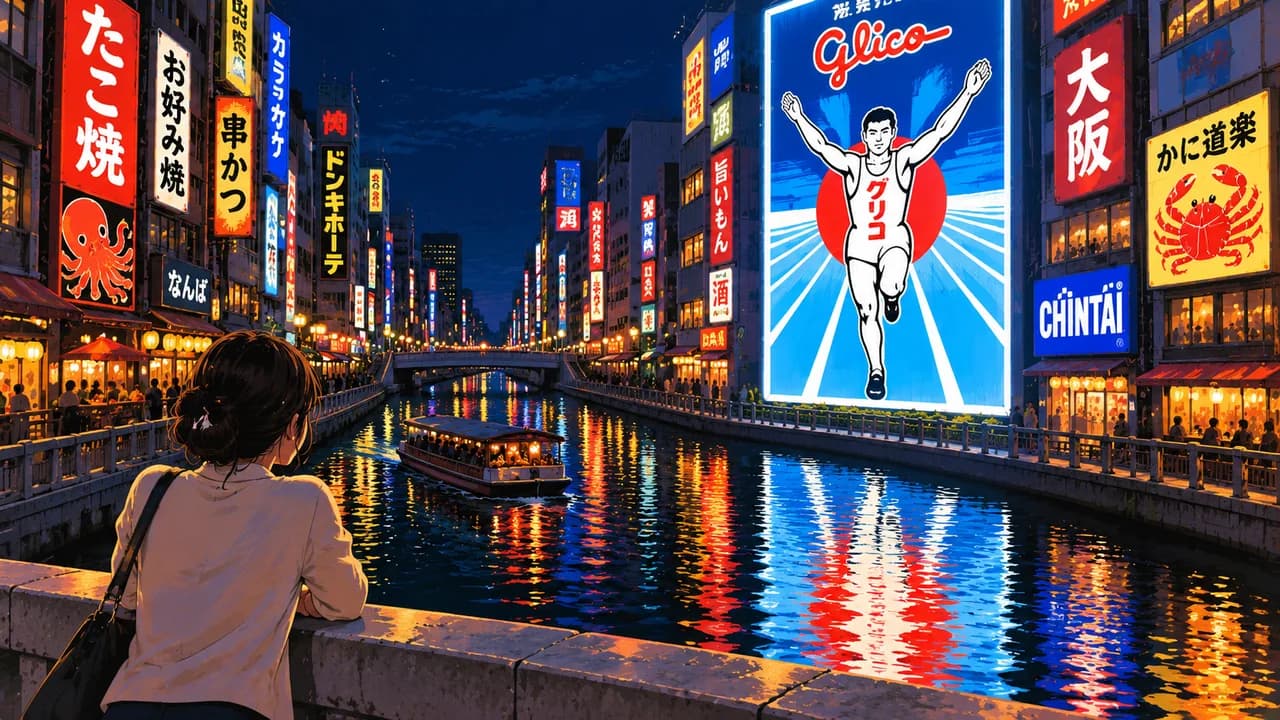
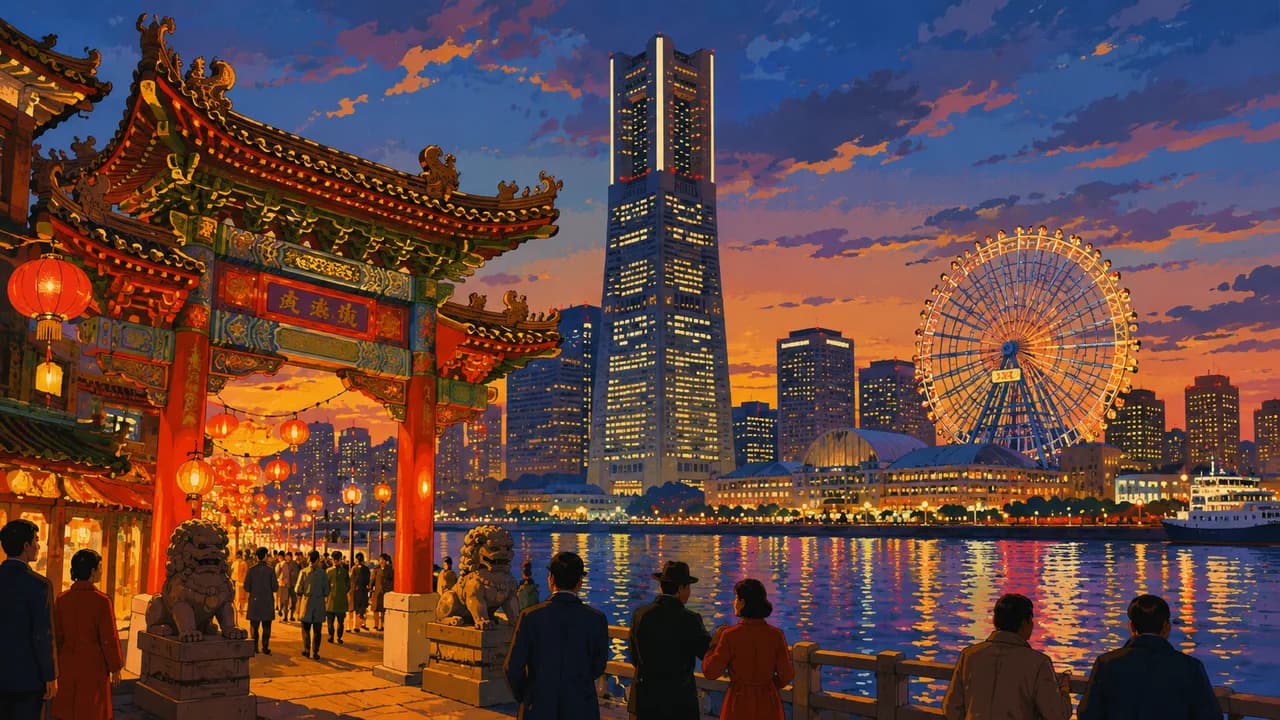
Japan combines lively cities, temples and shrines with volcanic mountains, forests and varied island landscapes. Tokyo ranges from the neon streets of Shinjuku to Asakusa's traditional neighbourhoods. Kyoto and Nara offer gardens and religious heritage, while Osaka adds markets and street food.
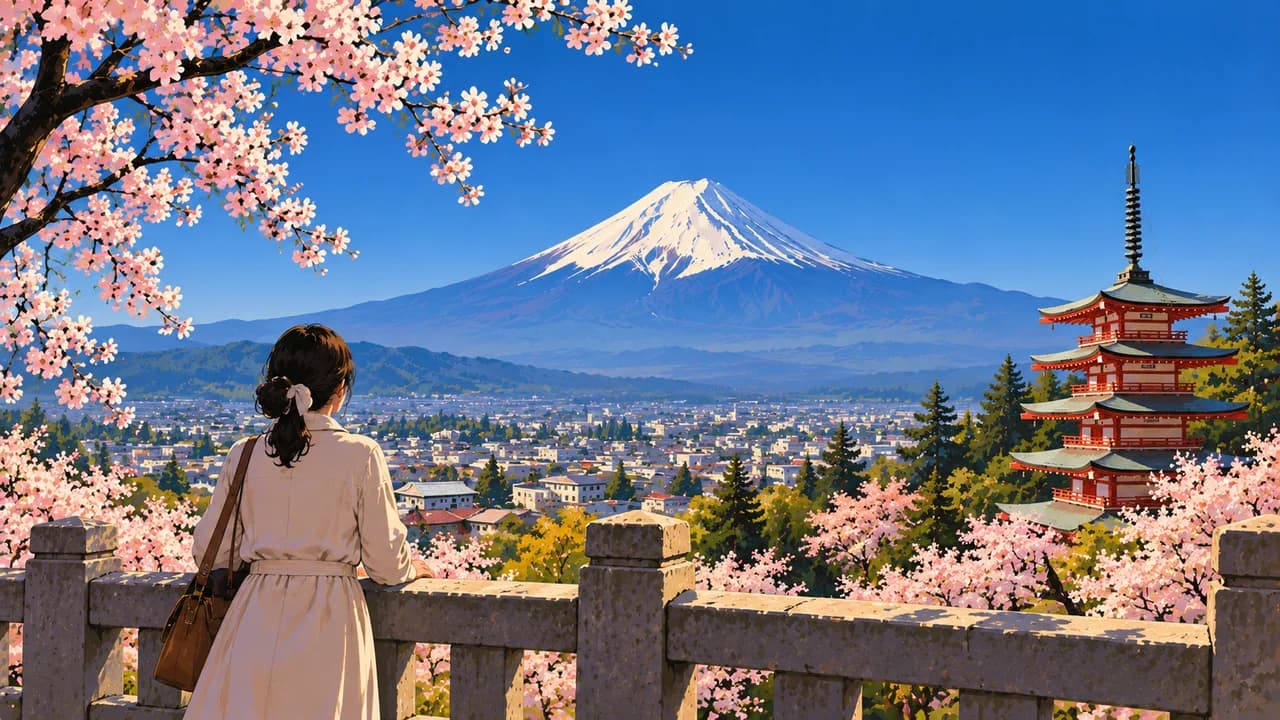
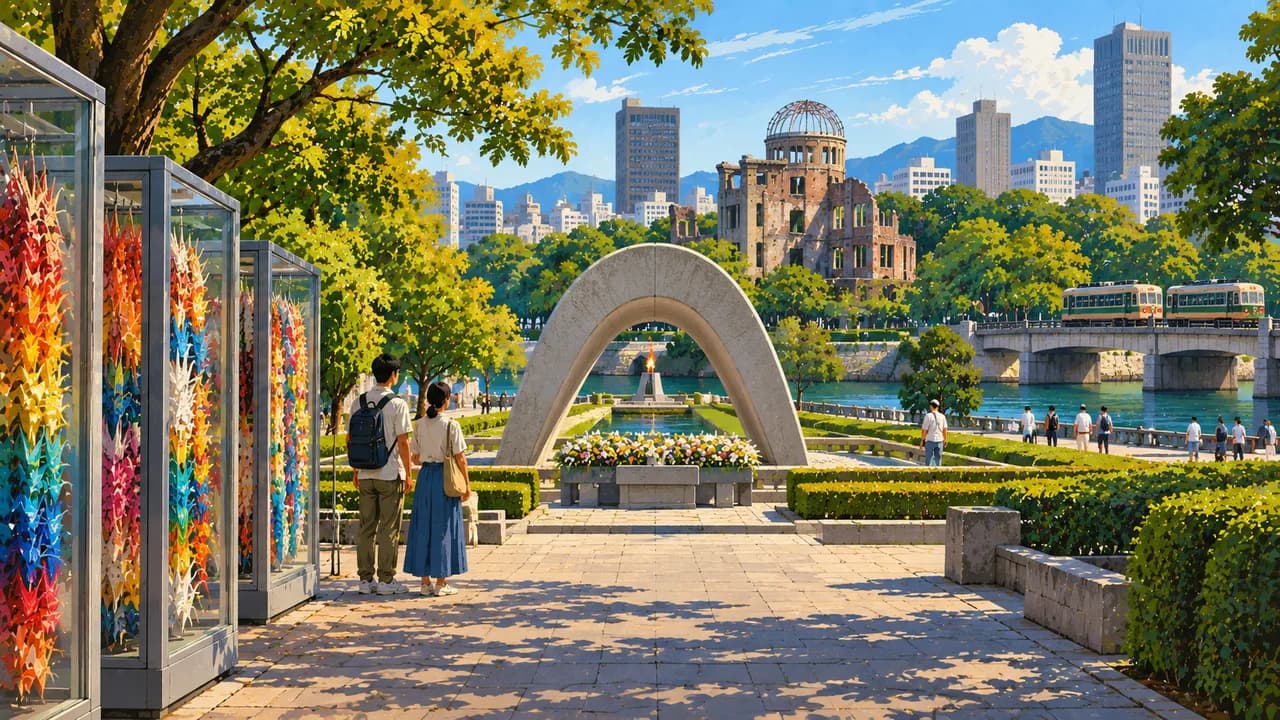
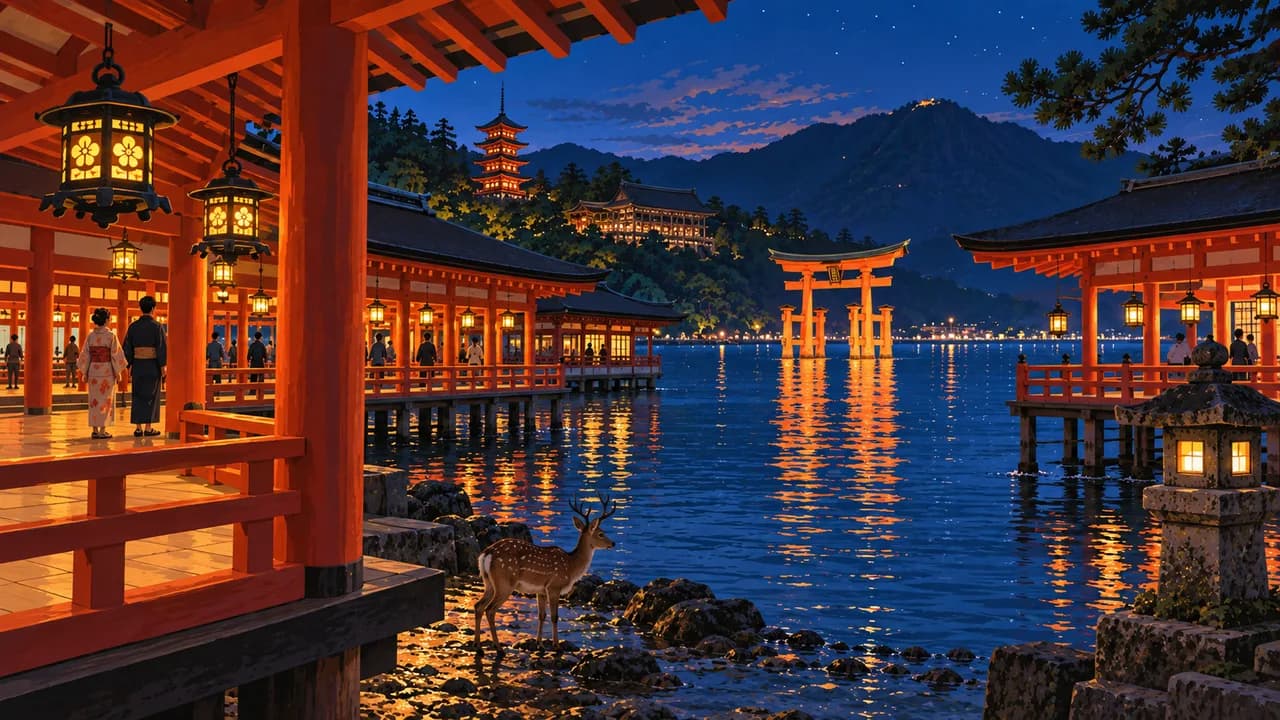
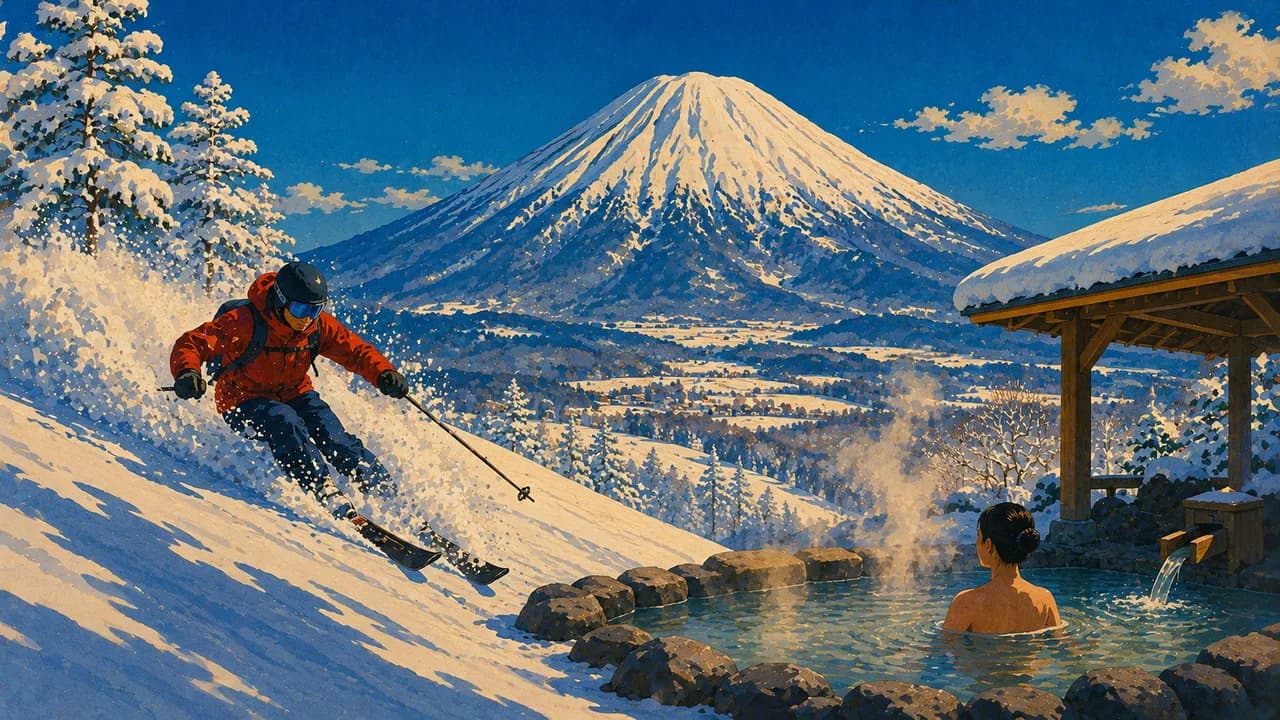
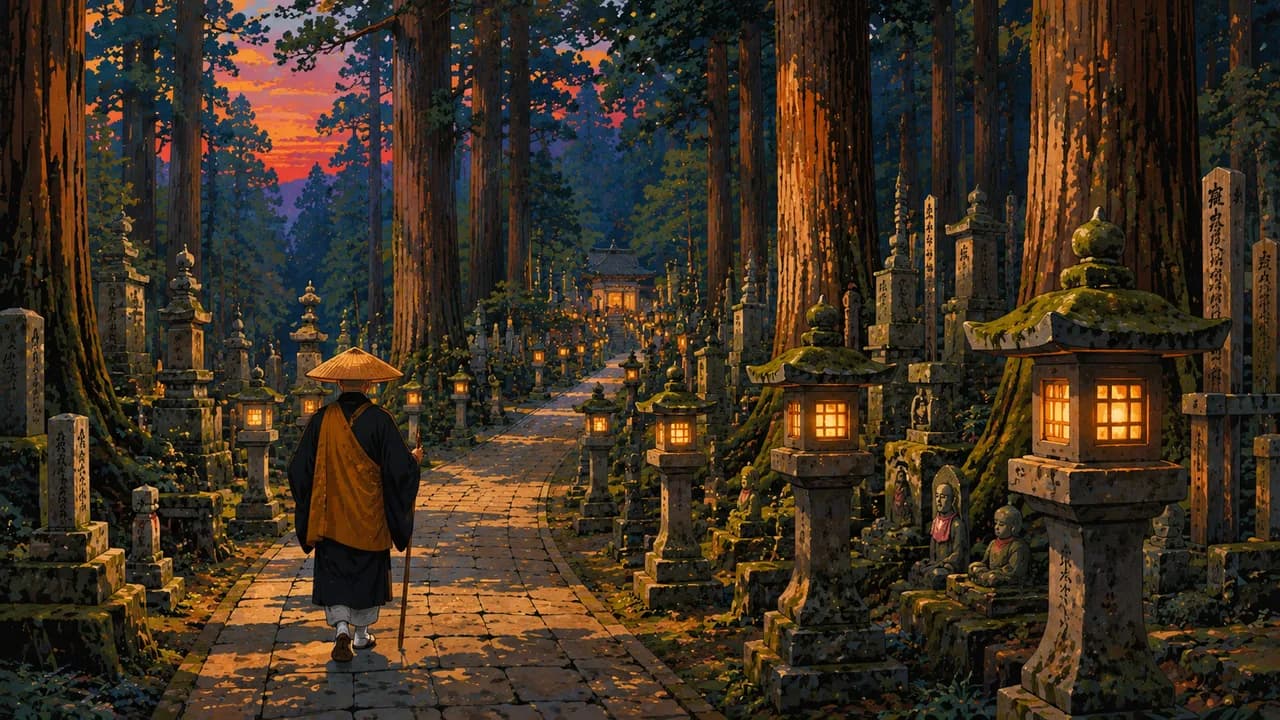
Mount Fuji, the surrounding lakes and Hakone's hot springs connect mountain scenery with onsen bathing. The Japanese Alps, Takayama and Kanazawa bring hiking, historic streets and traditional crafts. Tohoku offers wooded mountains and the island-dotted bay of Matsushima. Farther north, Hokkaido combines winter skiing with summer walks and national parks. Hiroshima's Peace Memorial Park and nearby Itsukushima bring remembrance and shrine architecture. Koyasan's temple stays and Shikoku's pilgrimage traditions reveal other sides of spiritual life.
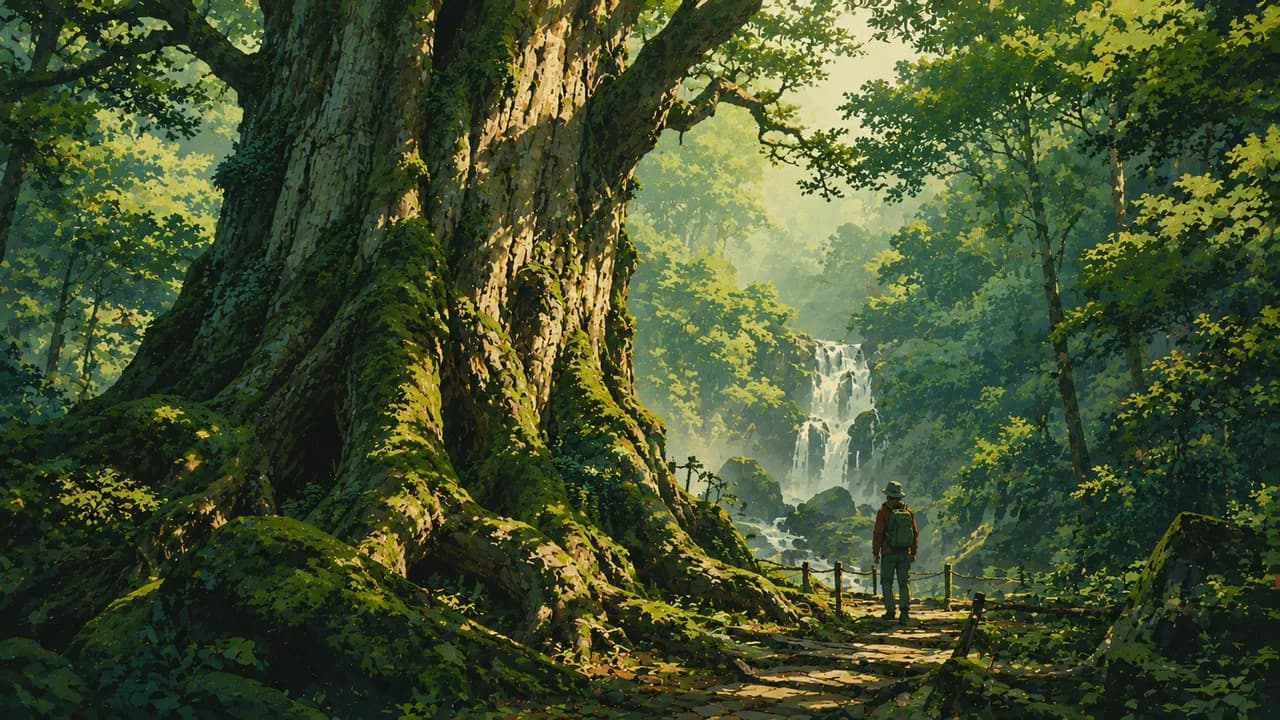
Contemporary art draws visitors to Naoshima in the Seto Inland Sea. Kyushu combines Beppu's hot springs, volcanic landscapes and the history of Nagasaki. Yakushima adds ancient cedar forests, while Okinawa offers subtropical beaches, coral reefs and distinct Ryukyu heritage. Sushi, ramen, regional cooking and tea traditions are part of the experience throughout the country. Cherry blossom and autumn colours vary by latitude and altitude, while summer heat, rain and winter snow shape regional travel.
Shinkansen and other trains link many major destinations, with buses, ferries and flights serving more remote areas and islands. Neighbourhood markets, small workshops and local festivals provide further encounters with everyday regional life beyond the celebrated landmarks.
AI edited
- 47
- Prefectures Japan's top administrative tier comprises 47 prefectures, including Tokyo Metropolis, Hokkaido and Okinawa.
- 123.05 million
- Population Preliminary census result for 1 October 2025 from Japan's Statistics Bureau, released in June 2026. Covers the total population including foreign residents and is not a rolling population estimate.
- ≈ 378,000 km²
- Area Rounded official area. Japan's Geospatial Information Authority reports 377,973.68 km² as of 1 July 2026. This figure follows that statistical delineation.
- Japanese
- Language Japanese is the predominant everyday language. Regional language traditions also exist, including the Ryukyuan languages and Ainu.
- English & other languages
- Other languages Many tourist destinations have English signs and some English-language services. Personal language skills vary. Japanese place names and translation tools are useful in rural areas.
- Yen (JPY)
- Currency Japan uses the yen, represented by ¥. Cash remains important alongside cards and digital payments. Check acceptance and access to ATMs before visiting smaller places.
- A · B
- Socket types A, sometimes B, at 100 V. Eastern Japan uses 50 Hz, western Japan 60 Hz. Check device ratings, adaptors do not convert voltage.
- Tokyo
- Capital Tokyo is Japan's capital. Japanese standard time applies nationwide, so the clock strip shows Japan rather than offering additional regional time zones.
- Left-hand traffic
- Driving side Traffic drives on the left in Japan. Trains, buses, ferries and domestic flights connect different regions for longer journeys.
- UTC+9
- Time zone Japan uses Japan Standard Time at UTC+9 nationwide, with no seasonal clock change. The clock strip compares the time with the browser zone and a saved home location where available.
- 22
- UNESCO cultural sites 22 cultural properties out of 27 UNESCO World Heritage properties, checked October 2026, including Asuka and Fujiwara. The five natural properties are excluded.
Japan on the map

Map data: geoBoundaries (CC BY 4.0), © OpenStreetMap contributors (ODbL), Natural Earth
Climate and best time to travel
Japan's best travel season depends considerably on region and activity. Spring and autumn are pleasant in many cities on Honshu, but cherry blossoms and autumn leaves do not follow one nationwide calendar. Blossoms often reach Tokyo and Kyoto in late March or early April, with northern regions following later. Autumn colours appear earlier at higher elevations and in the north than in warmer cities. January and February are important winter-sports months in Hokkaido and Honshu's mountains. High-altitude hiking is generally a summer activity, with access dependent on snow and weather. Early summer brings a rainy season in many regions, while midsummer heat and humidity can make city visits more demanding. Okinawa has a longer beach season, but both beaches and boat connections are affected by weather and typhoons. Onsen bathing and food experiences are available year-round. Month ranges are only a guide, not guarantees of blossoms, snow or open trails. Check current local information for mountain trips, coastal outings and transfers.
Destinations in Japan
 AI generated
 AI generated
 AI generated
 AI generated
 AI generated
 AI generated
 AI generated
 AI generated
 AI generated
 AI generated
 AI generated
 AI generated