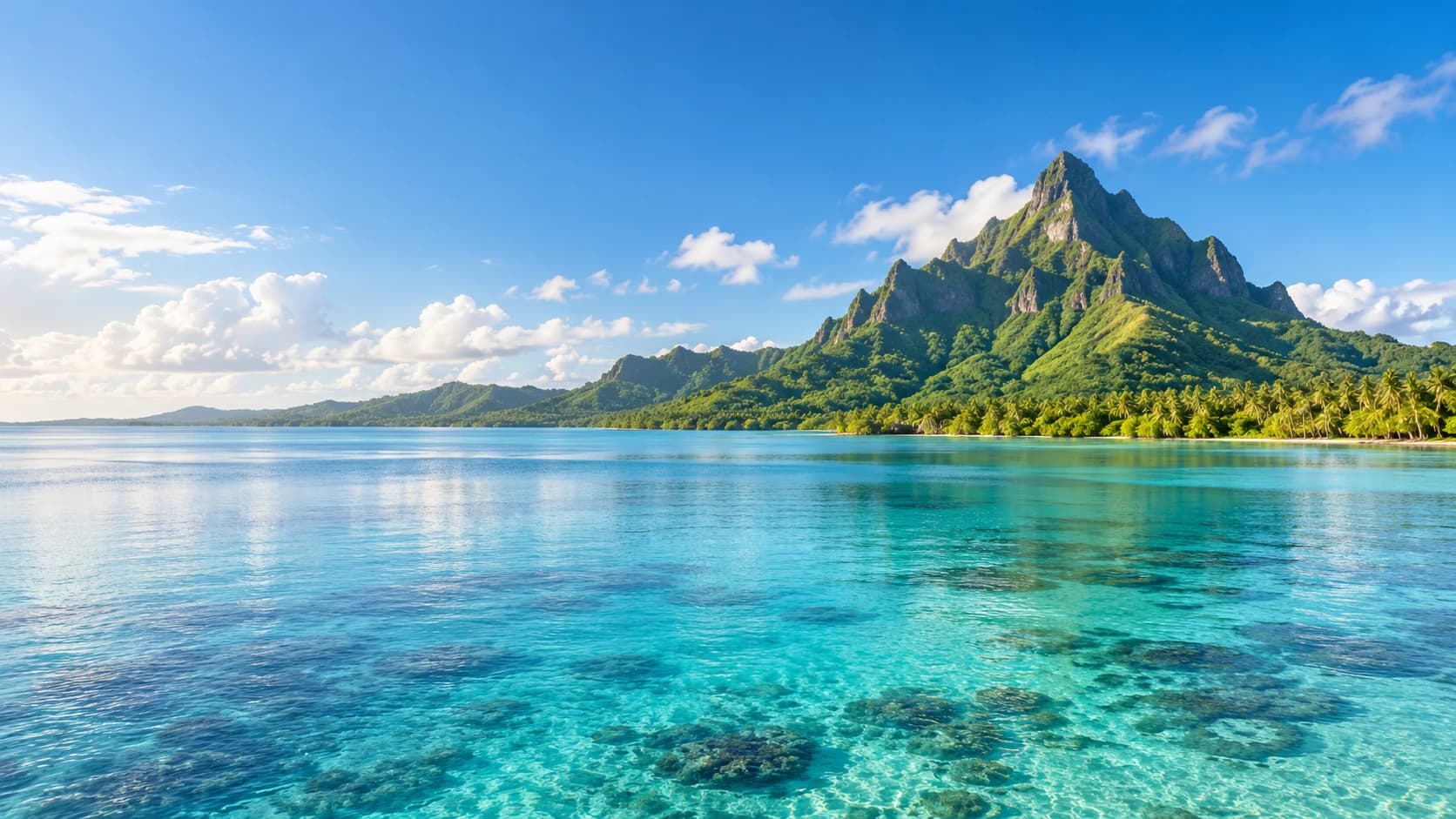
French Polynesia
Polynésie française
Volcanic islands, sweeping lagoons and living Polynesian cultures meet marine life, craft traditions and island cooking.
Worth coming back!
Wanderlama keeps growing with new destinations, helpful information and exciting features. Check back soon and discover what is new!
Travel to French Polynesia
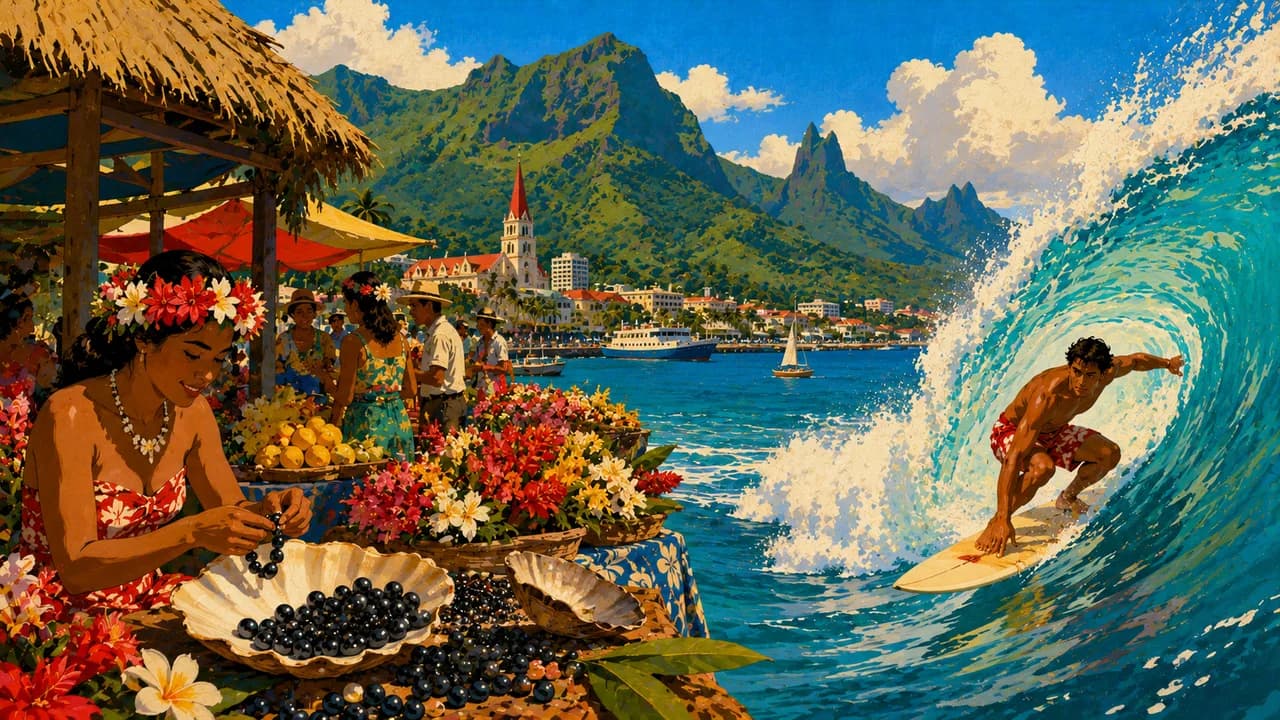
French Polynesia is a self-governing French overseas collectivity in the South Pacific, with more than a hundred islands and atolls spread across the Society, Tuamotu, Marquesas, Austral and Gambier archipelagos. On Tahiti, Papeete's markets and food trucks complement volcanic valleys, black sand beaches and the surf at Teahupo'o.
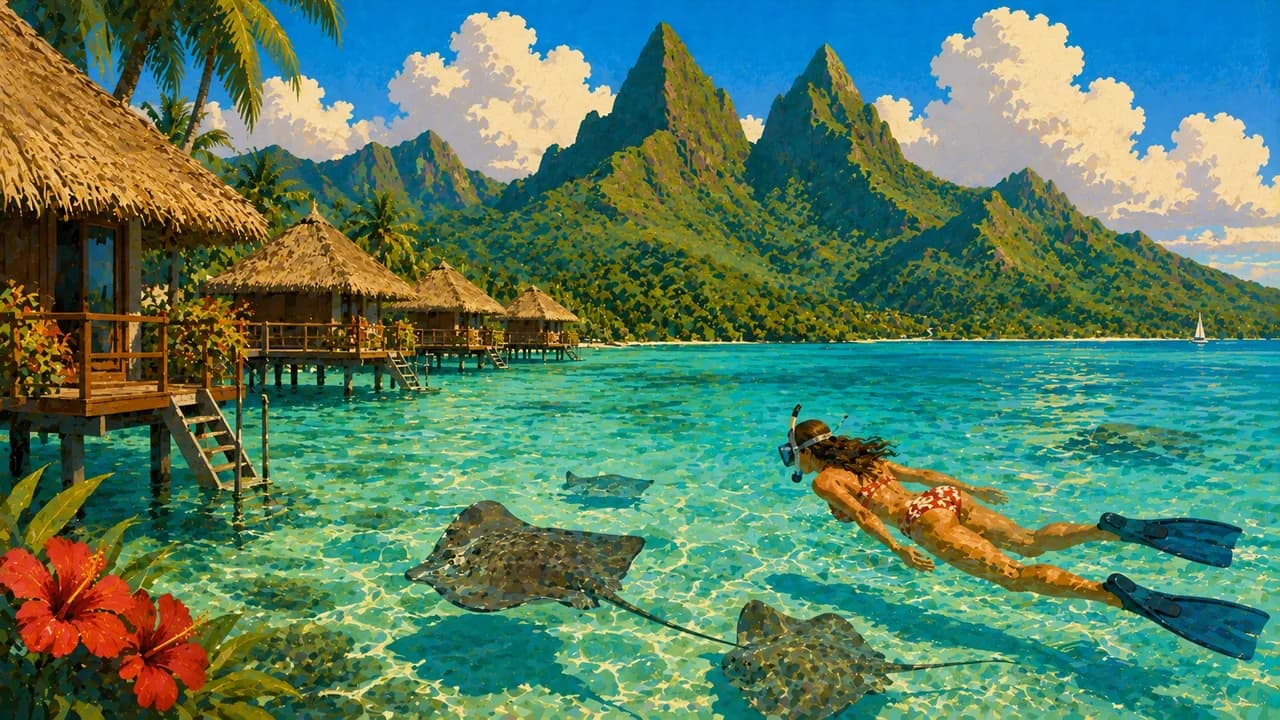
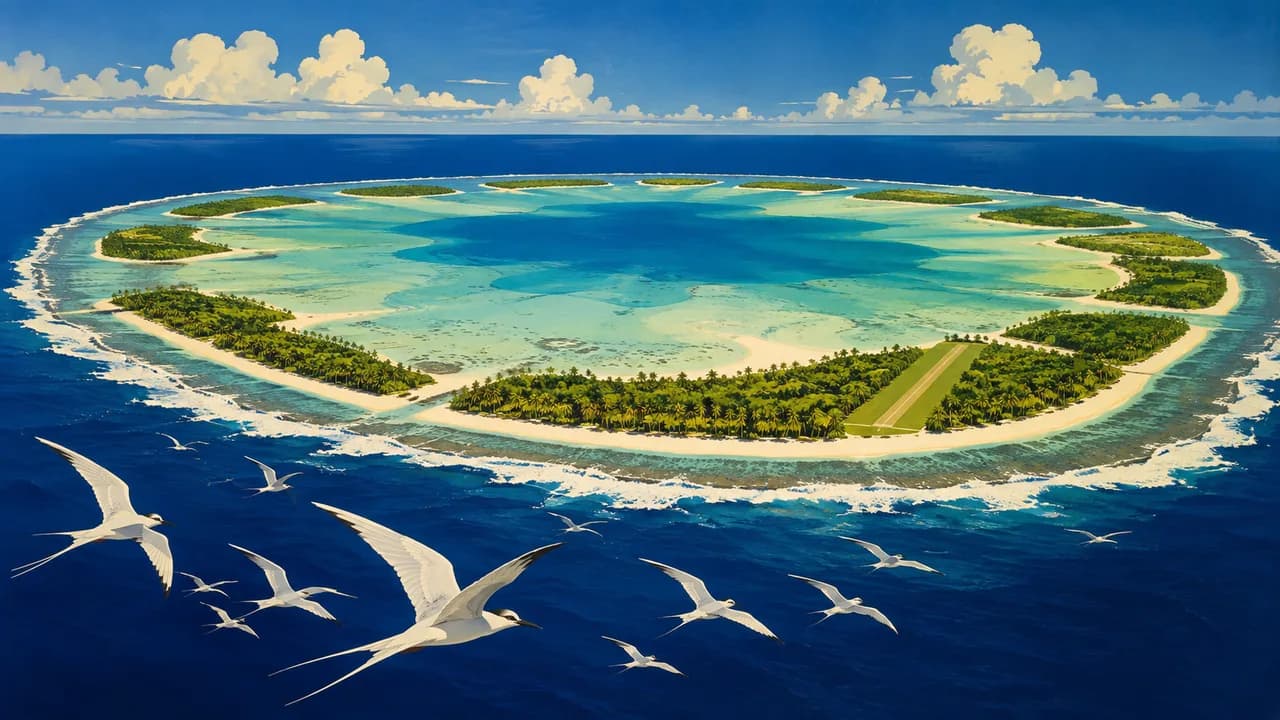
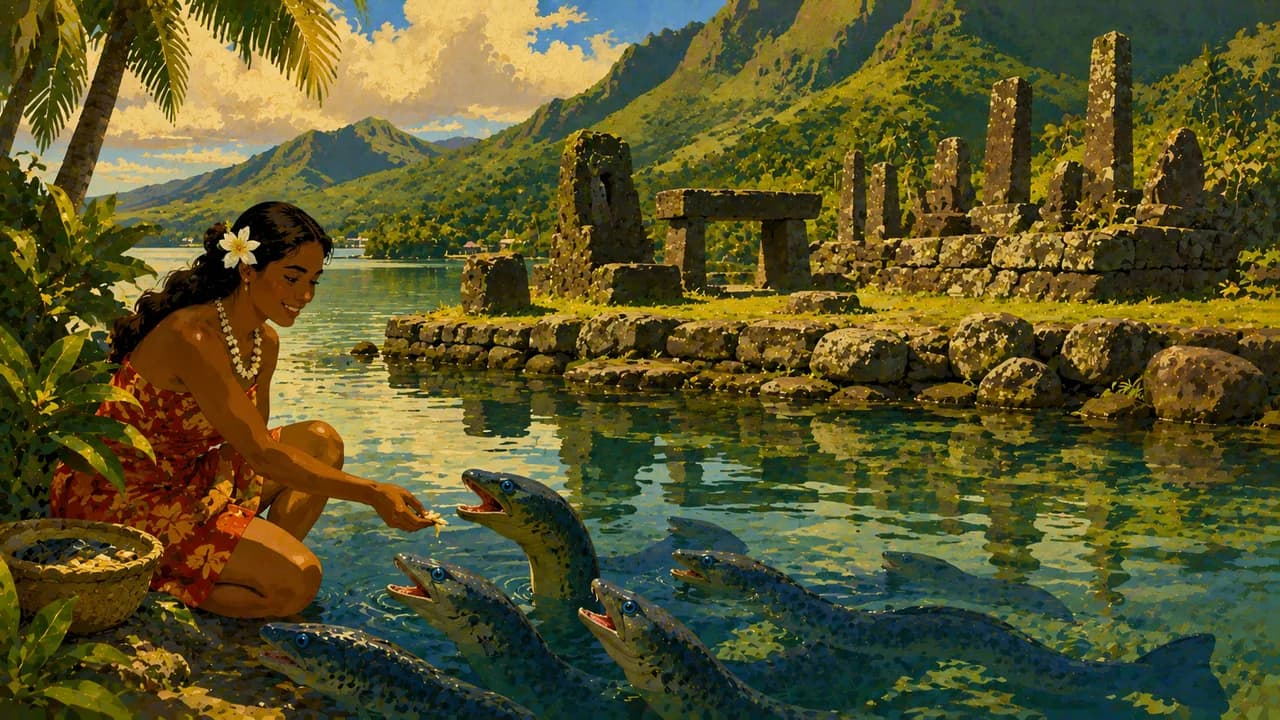
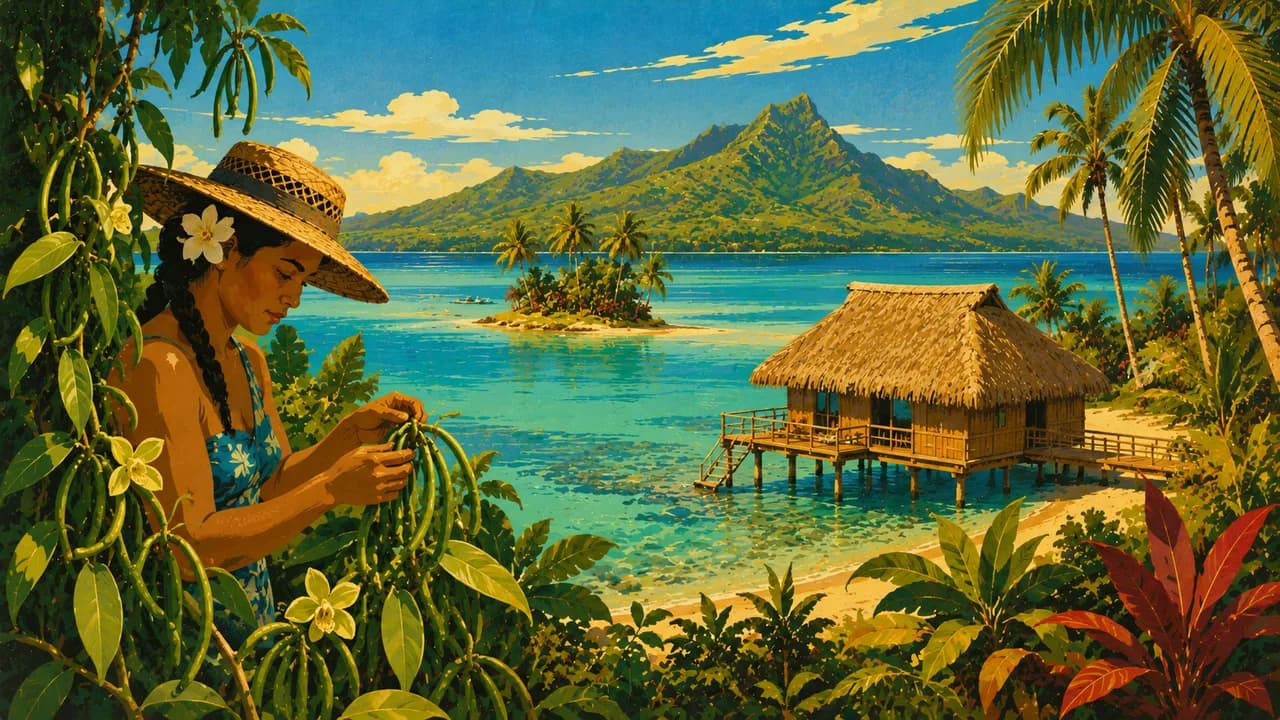
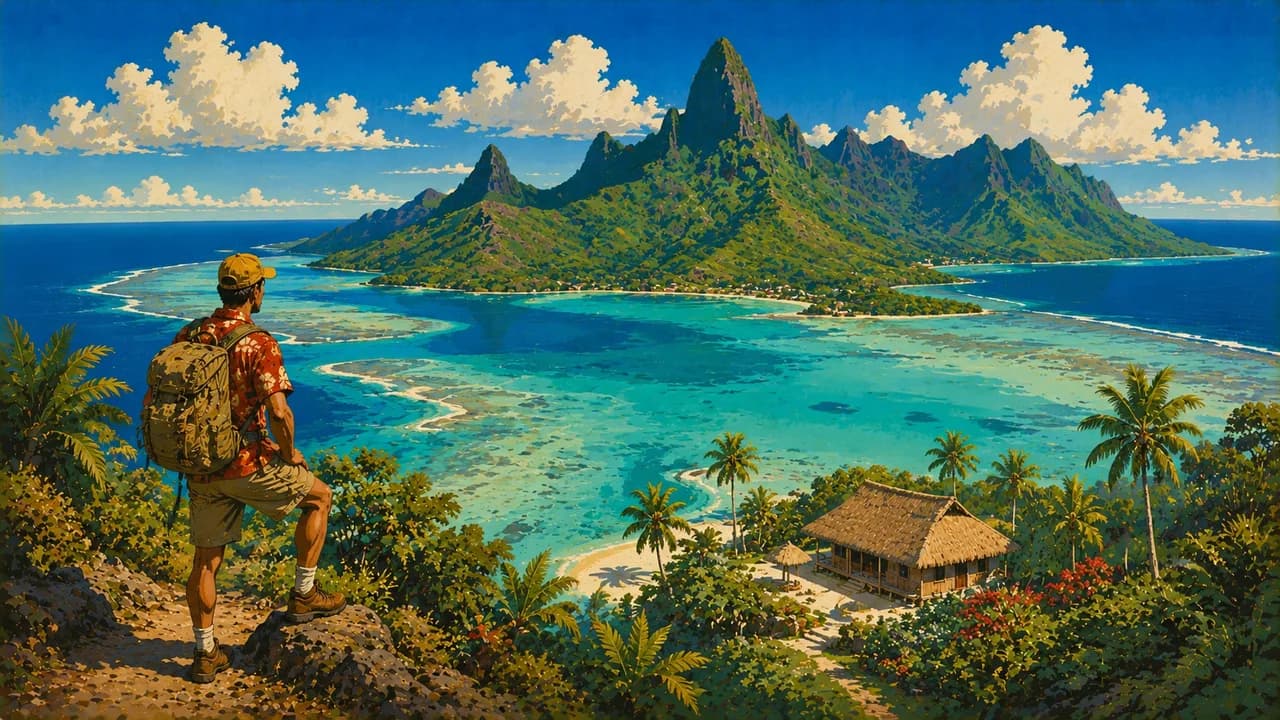
Nearby Moorea combines mountain scenery and lagoons, Bora Bora rises around Mount Otemanu, and Tetiaroa adds a coral atoll within the Society Islands. Huahine preserves archaeological sites and village life, while Raiatea's Taputapuātea ceremonial landscape is a UNESCO World Heritage property and an important centre of Polynesian voyaging history. Taha'a is associated with vanilla growing, and Maupiti offers a smaller island setting of villages, mountain slopes and lagoon shores.
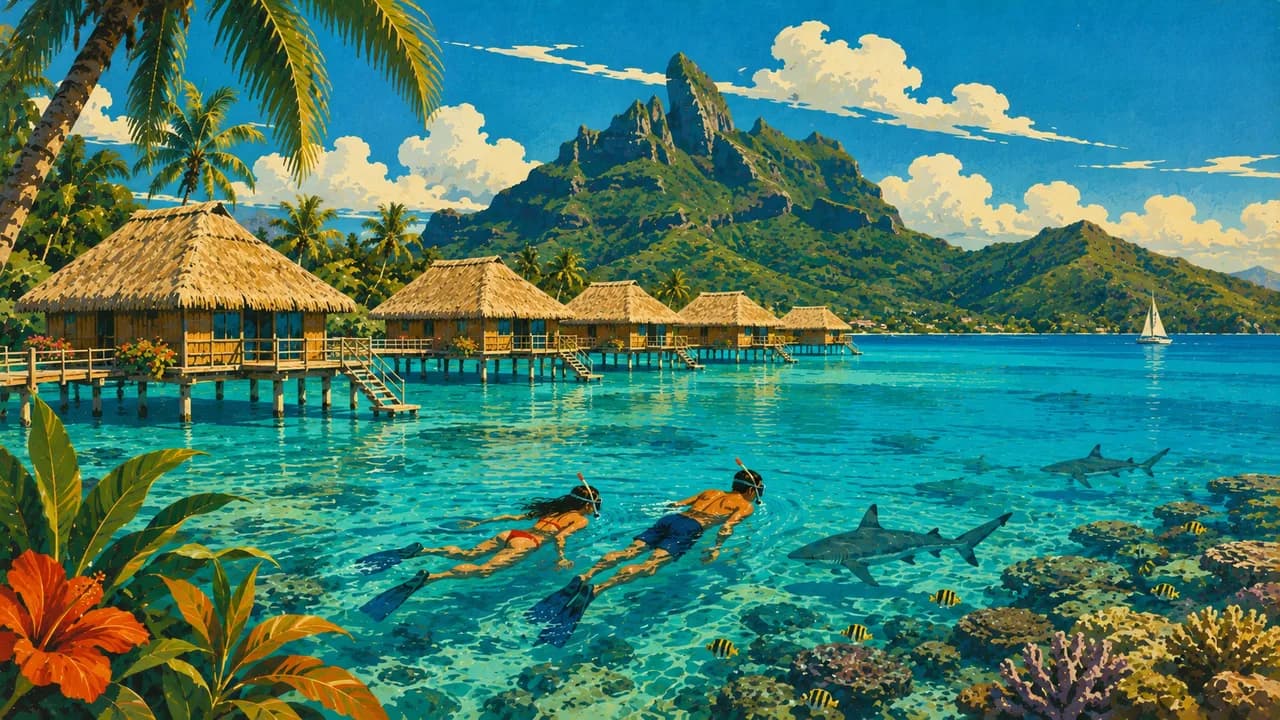
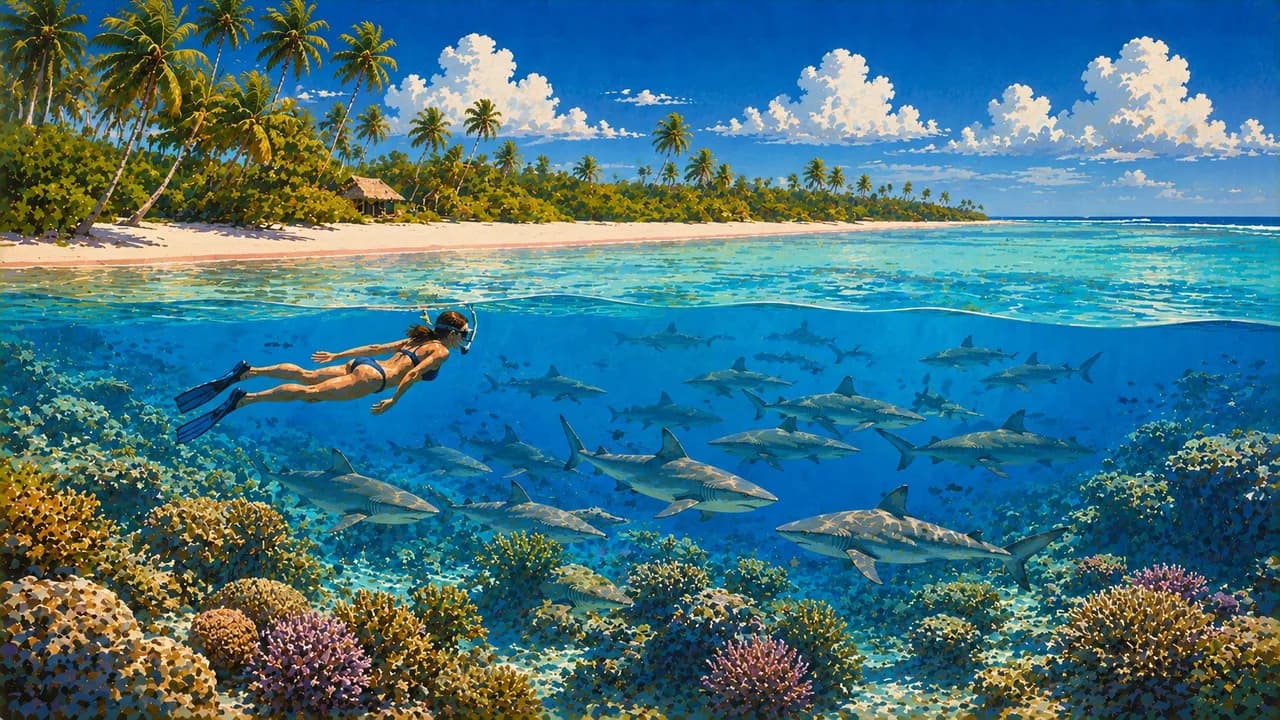
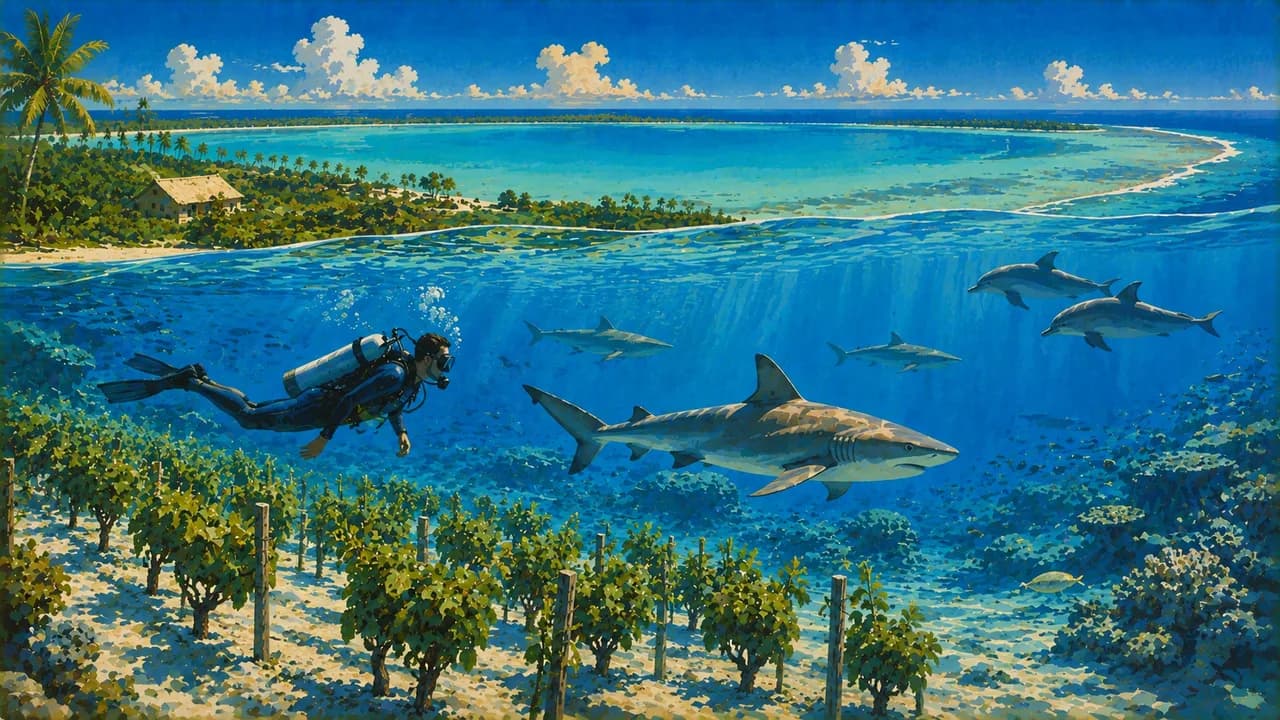
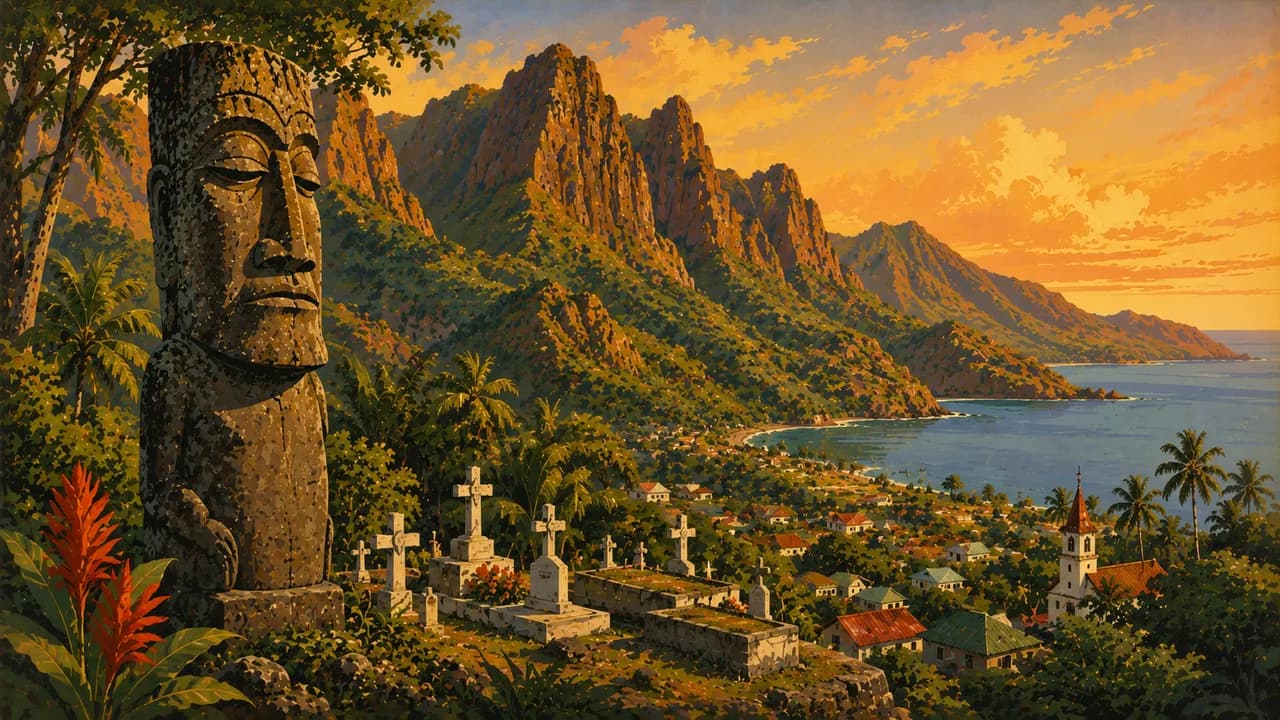
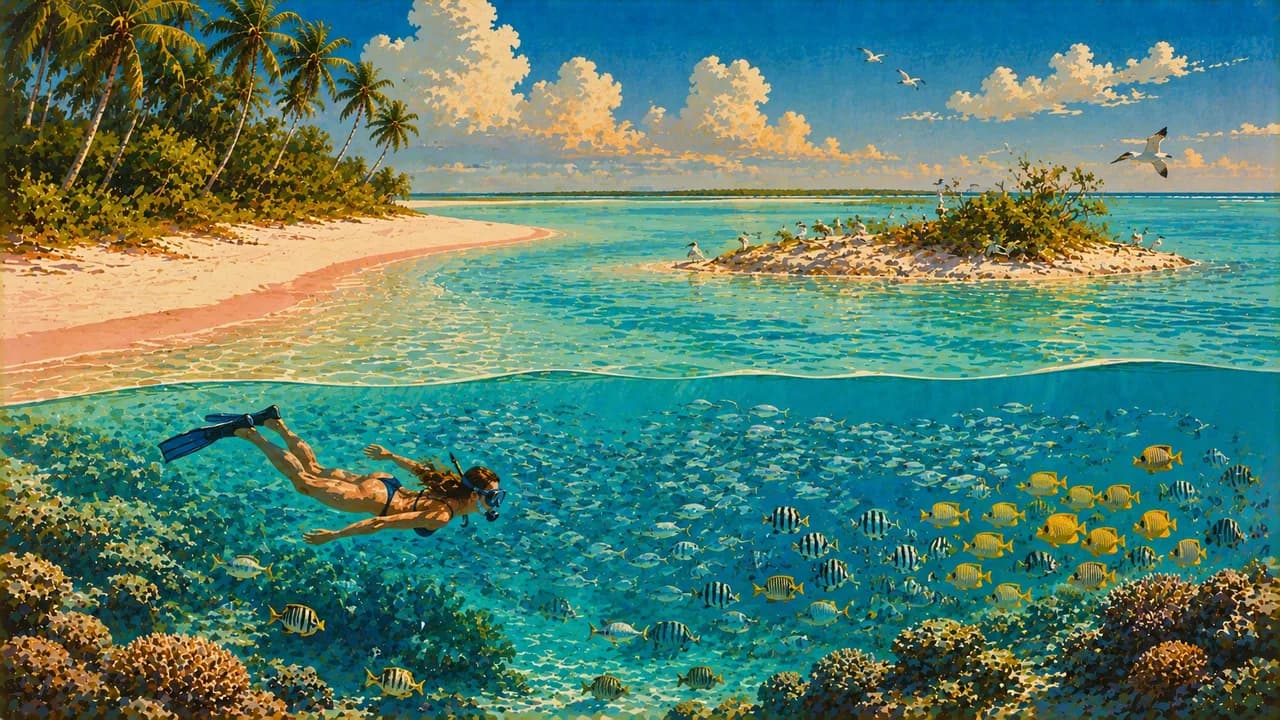
In the Tuamotus, Rangiroa, Fakarava and Tikehau reveal reef landscapes and marine life, while Manihi adds the history and practice of pearl farming. Strong currents in reef passes mean diving plans must match experience, local conditions and qualified operators, without guaranteed wildlife encounters. Nuku Hiva and Hiva Oa in the Marquesas contrast with the low atolls through steep valleys, stone carvings and living cultural traditions.
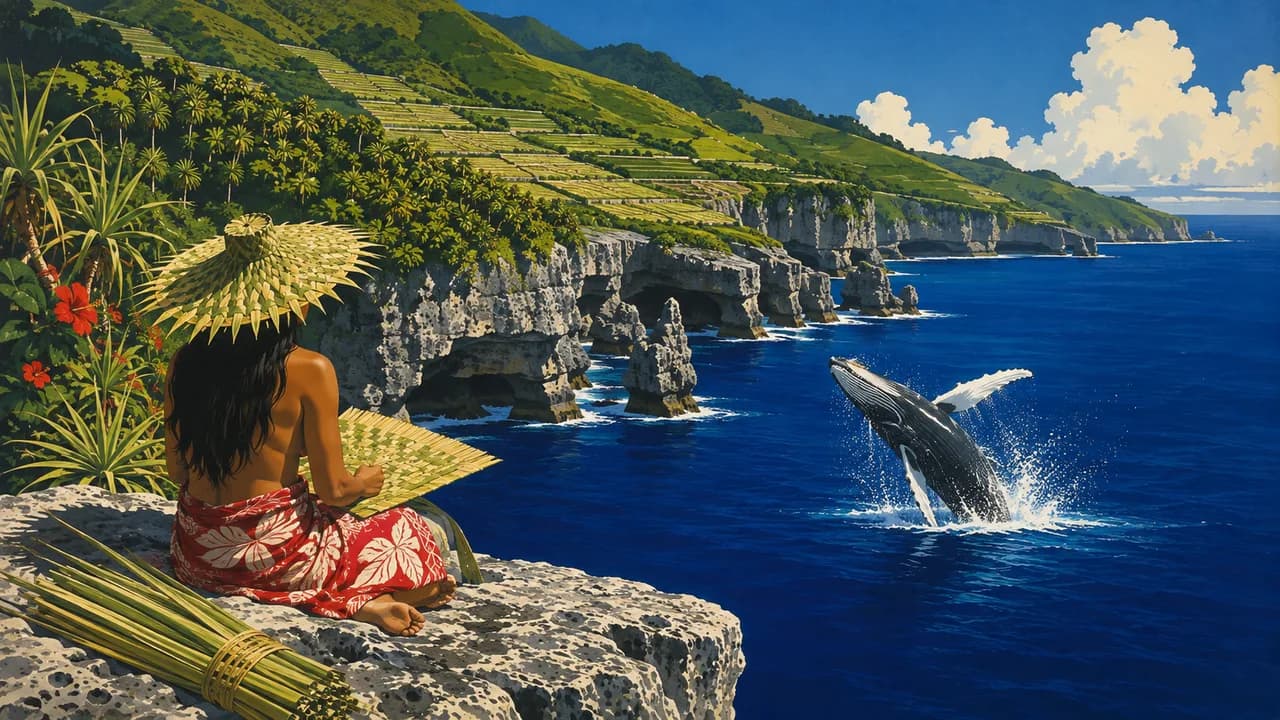
The mixed UNESCO property Te Henua Enata includes selected natural and cultural landscapes across the archipelago. In the Austral Islands, Rurutu combines limestone caves, weaving and seasonal whale observation opportunities, while Raivavae adds lagoon scenery and archaeological heritage. Farther southeast, Mangareva in the Gambier Islands combines a mountain-fringed lagoon, pearl farms and the missionary-era cathedral at Rikitea. Dance, tattooing, canoe traditions, local languages and craftwork connect island heritage with contemporary life.
Poisson cru with coconut milk, breadfruit, taro and vanilla introduce regional cooking alongside French and Chinese influences. Ferries link Tahiti and Moorea, but journeys between distant archipelagos depend on flight schedules and sometimes limited sea connections. Rainfall, wind, sea conditions and temperatures vary between island groups and seasons, so one travel window does not suit every itinerary. Respect sacred places, protect reefs and wildlife, and check local access and activity conditions before excursions.
AI edited
- French overseas collectivity
- Political status French Polynesia is a self-governing overseas collectivity within the French Republic, not an independent state. Its island groups have distinct landscapes and cultural traditions.
- 5
- Archipelagos The Society, Tuamotu, Marquesas, Austral and Gambier Islands form the five archipelagos. The Windward and Leeward Islands are subdivisions of the Society Islands, not additional archipelagos.
- 279,500
- Population ISPF population estimate for 31 December 2024. The figure is deliberately dated, not a live count or a claimed new census.
- ≈ 3,500 km²
- Area Rounded land area of the islands and atolls based on French administrative information. The much larger marine region across which the archipelagos are scattered is not counted as land. Measurement dates and boundaries can vary.
- French
- Language French is the official language. The French flag identifies the language here. Polynesian languages are an important part of daily life and cultural identity.
- Tahitian & other languages
- Other languages Alongside Tahitian, languages include Marquesan languages, Paumotu and Mangarevan. Languages differ between archipelagos. English proficiency varies by place and person.
- CFP franc (XPF)
- Currency The local currency is the CFP franc, code XPF. Card acceptance and access to cash vary, particularly on remote islands. Confirm payment options with your accommodation before travelling.
- C · E
- Socket types Type C and E connections are widespread. Confirm voltage, frequency and available sockets with your accommodation and check appliance specifications. A travel adapter does not convert voltage.
- Papeete
- Capital Papeete on Tahiti is the administrative centre and capital of the territory. The clock defaults to Pacific/Tahiti. The Marquesas and Gambier Islands have different local times.
- Right-hand traffic
- Driving side Traffic keeps to the right on the islands. Roads and transport options vary considerably. Travel between archipelagos requires flights or sea connections.
- UTC−10 / UTC−9:30 / UTC−9
- Time zones The Society, Tuamotu and Austral Islands use UTC−10, the Marquesas UTC−9:30 and the Gambier Islands UTC−9. There is currently no seasonal clock change. The selector compares browser time and, when saved, your home location.
- 1
- UNESCO cultural site One exclusively cultural UNESCO World Heritage property, Taputapuātea. Checked October 2026. Te Henua Enata is mixed heritage, Fakarava a biosphere reserve. Both are excluded.
French Polynesia on the map

Map data: geoBoundaries (CC BY 4.0), © OpenStreetMap contributors (ODbL), Natural Earth
Climate and best time to travel
The five archipelagos do not share a single travel season. In the Society Islands, May to October is often somewhat drier and less hot, while November to April is usually warmer and wetter. Wind, heavy showers and sea swell remain possible throughout the year. The Marquesas have a different rainfall pattern, with September to December often drier than January to August. The Austral and Gambier Islands lie farther south and are generally cooler, particularly in the southern winter. In the Tuamotus, wind, tides and currents influence excursions and diving. Whale observation is seasonal and never guaranteed. Months are indicative, not promises of weather, sightings or access. Reef passes, mountain walks and remote islands require attention to local conditions, suitable experience and qualified operators. Check flights, boats, protected-area rules and accommodation in advance and allow spare time.
Destinations in French Polynesia
 AI generated
 AI generated
 AI generated
 AI generated
 AI generated
 AI generated
 AI generated
 AI generated
 AI generated
 AI generated
 AI generated
 AI generated