Republic of the Congo
République du Congo
Rainforests, Atlantic shores and sweeping rivers meet rumba, painting and vibrant urban culture.
Worth coming back!
Wanderlama keeps growing with new destinations, helpful information and exciting features. Check back soon and discover what is new!
Travel to the Republic of the Congo
The Republic of the Congo, also called Congo-Brazzaville, combines Atlantic shores, savanna plateaus and the rainforests of the Congo Basin. It is a separate country from the Democratic Republic of the Congo. Brazzaville faces Kinshasa across the river, while Pointe-Noire links the country to the Atlantic. French is official, with Lingala and Kituba widely used alongside community languages.
Journeys need careful preparation. Germany’s Foreign Office notes possible road closures around Mindouli and recommends travelling through Pool only by daylight and overland. Confirm current security advice, entry and health requirements, transport and park access. Infrastructure outside the main cities is limited, and night driving should be avoided. Photography restrictions apply around sensitive sites.
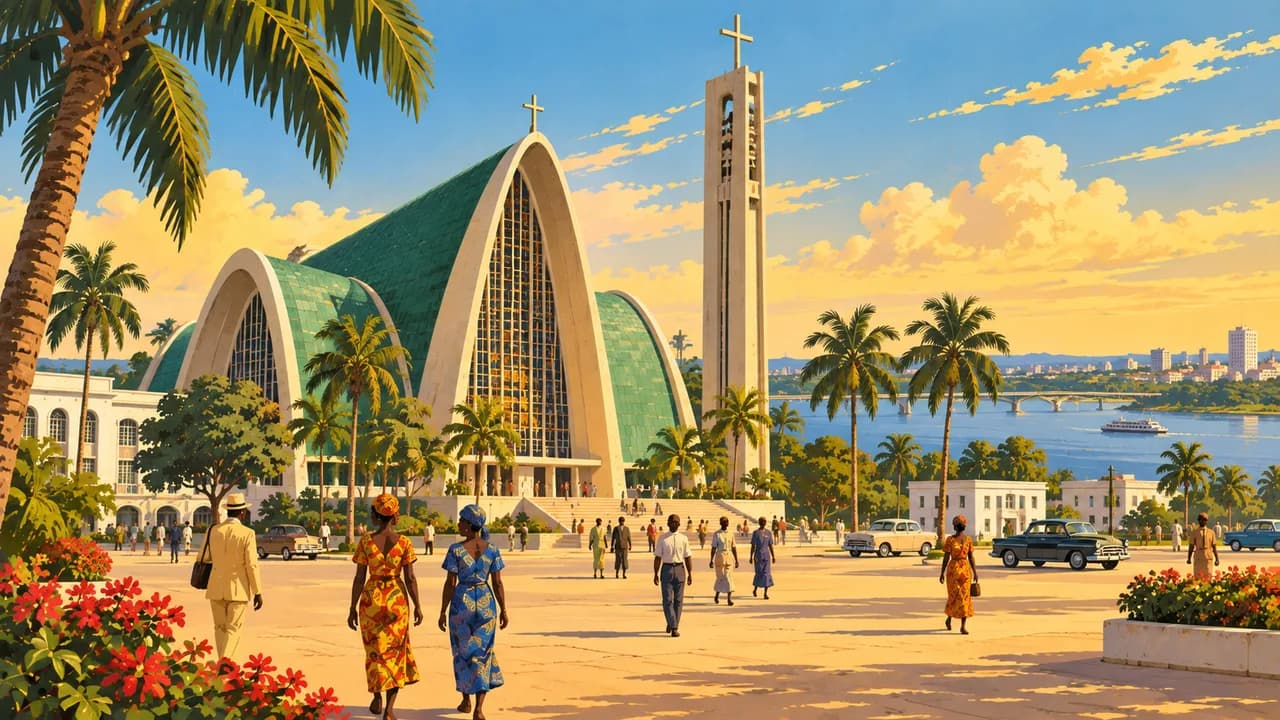
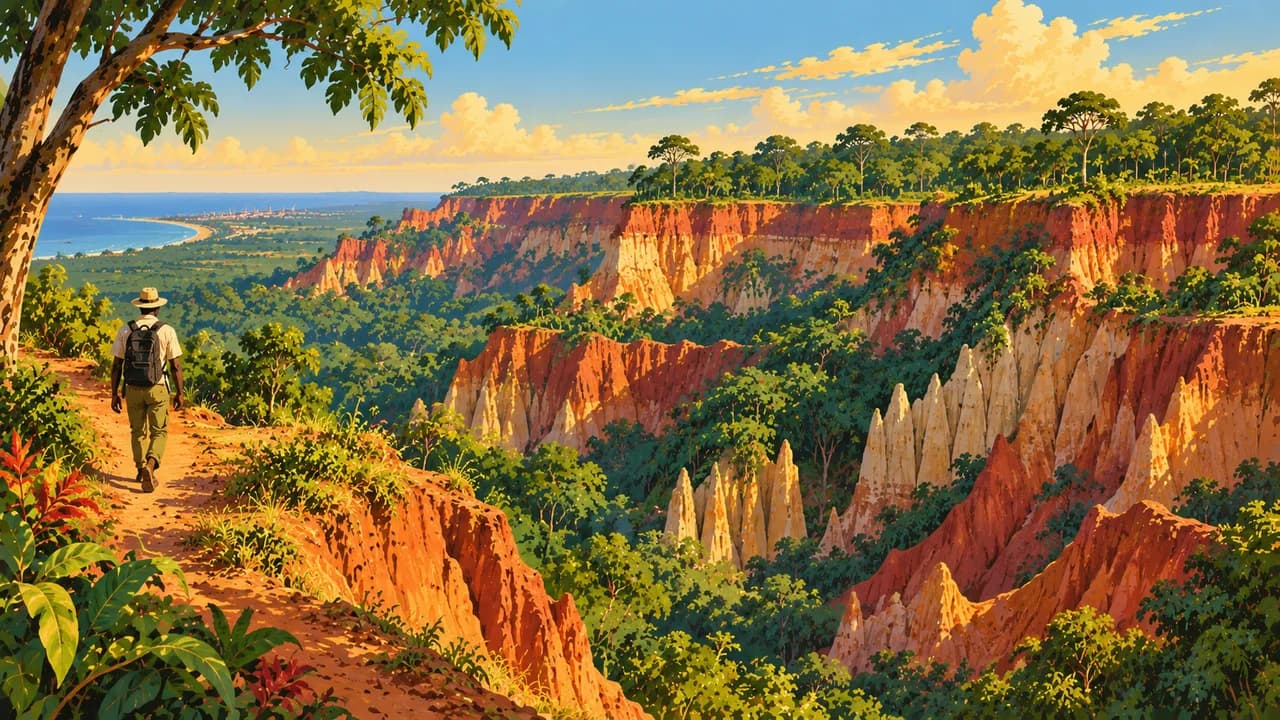
Brazzaville offers riverside views, Sainte-Anne’s basilica, museums and Poto-Poto’s painting tradition. Congolese rumba, shared with the neighbouring Democratic Republic, connects music, dance and everyday urban life. Near Pointe-Noire, the Diosso gorges and museum introduce coastal landscapes and Loango heritage. The former slave embarkation port at Loango adds a difficult chapter of Atlantic history. Ocean currents demand caution.
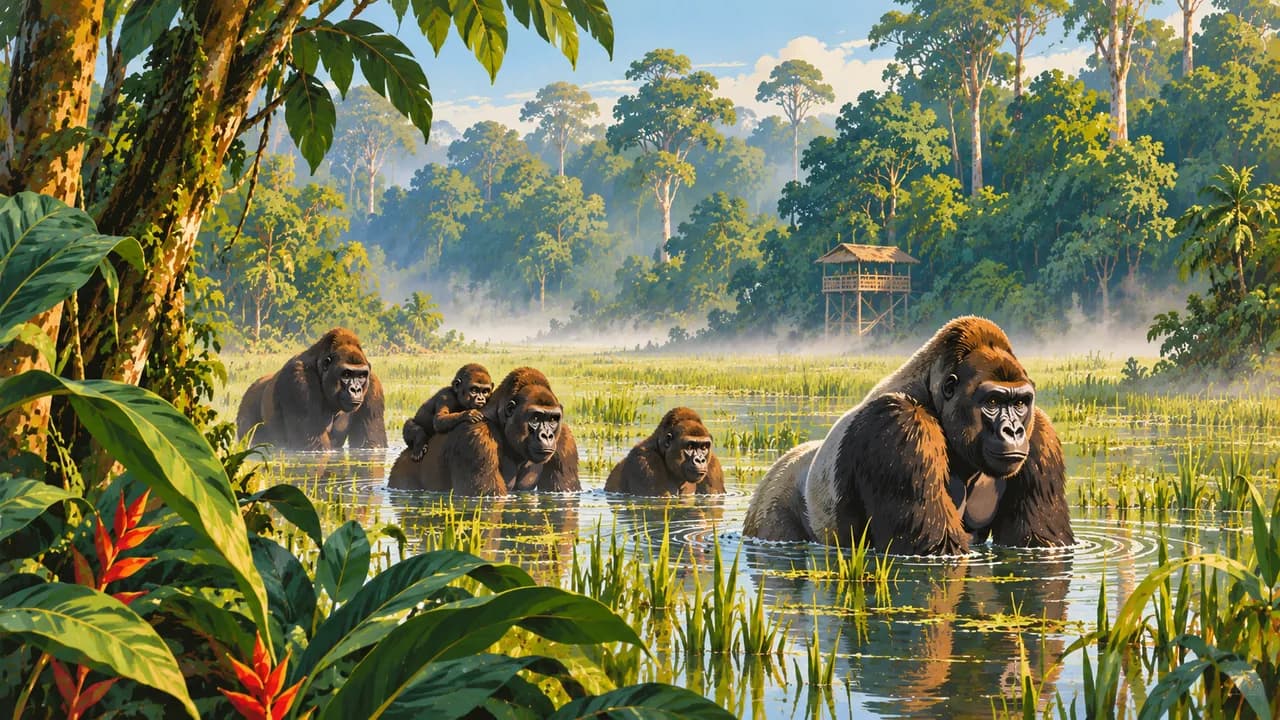
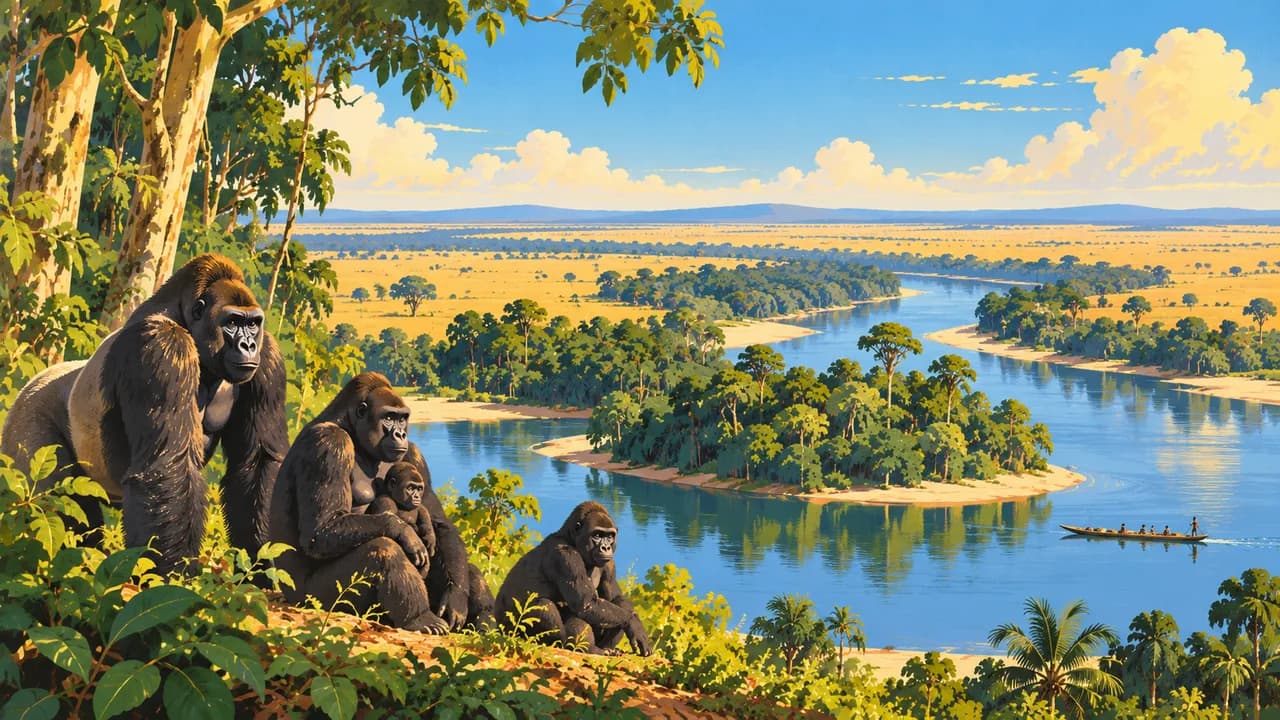
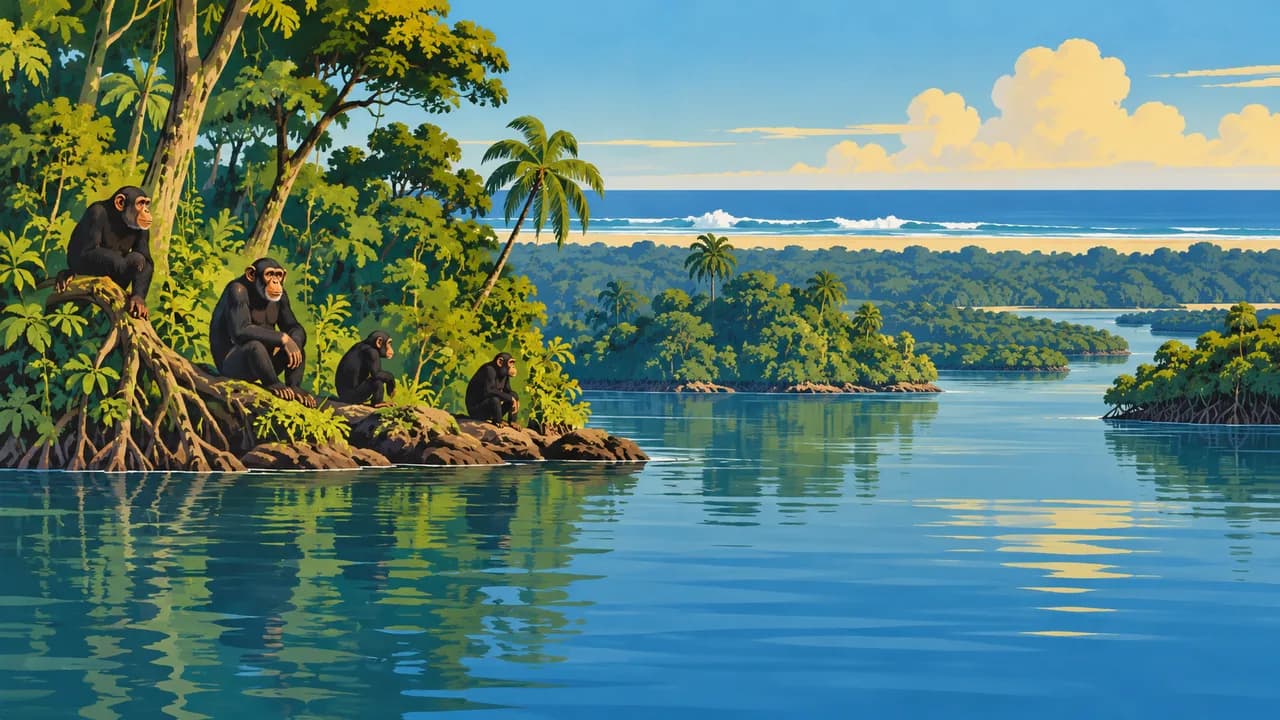
Conkouati-Douli brings together beaches, lagoons, mangroves and rainforest near Gabon. Chimpanzee conservation complements its coastal ecosystems. Inland, the Lésio-Louna Reserve combines savanna and riverine forest with gorilla rehabilitation and reintroduction. These conservation settings require advance arrangements and respect for animal welfare rather than expectations of unrestricted animal contact.
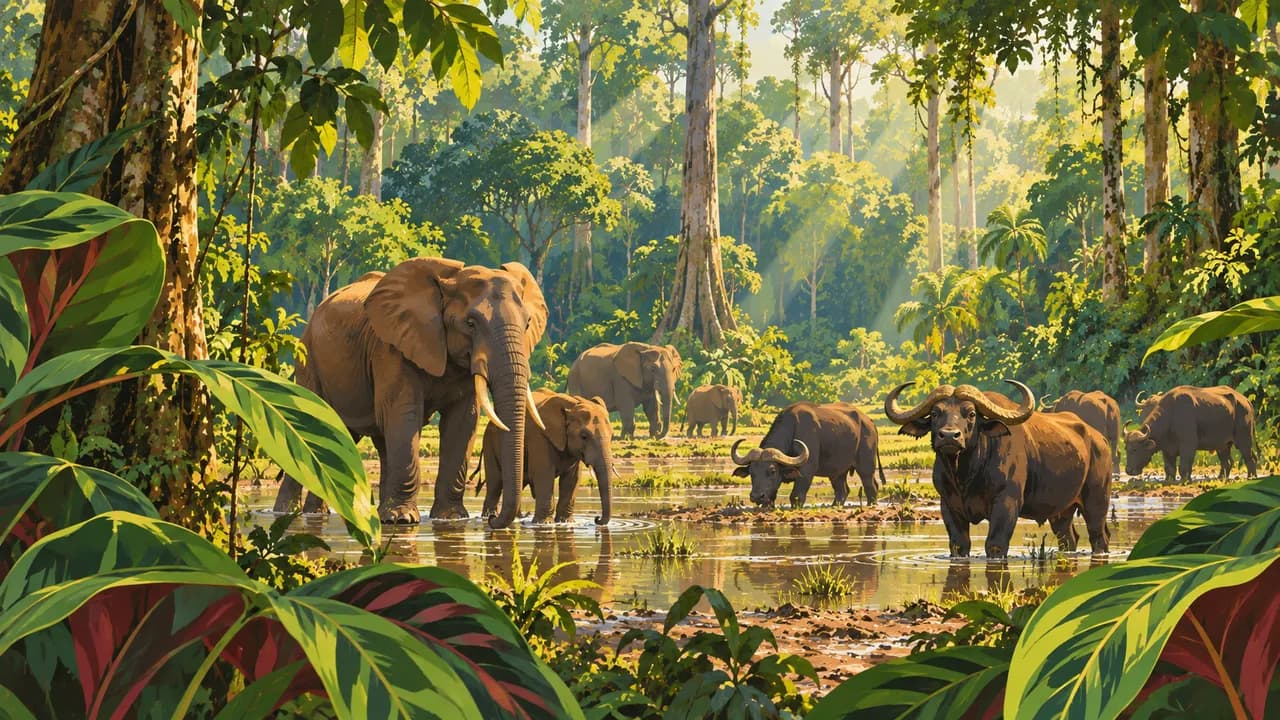
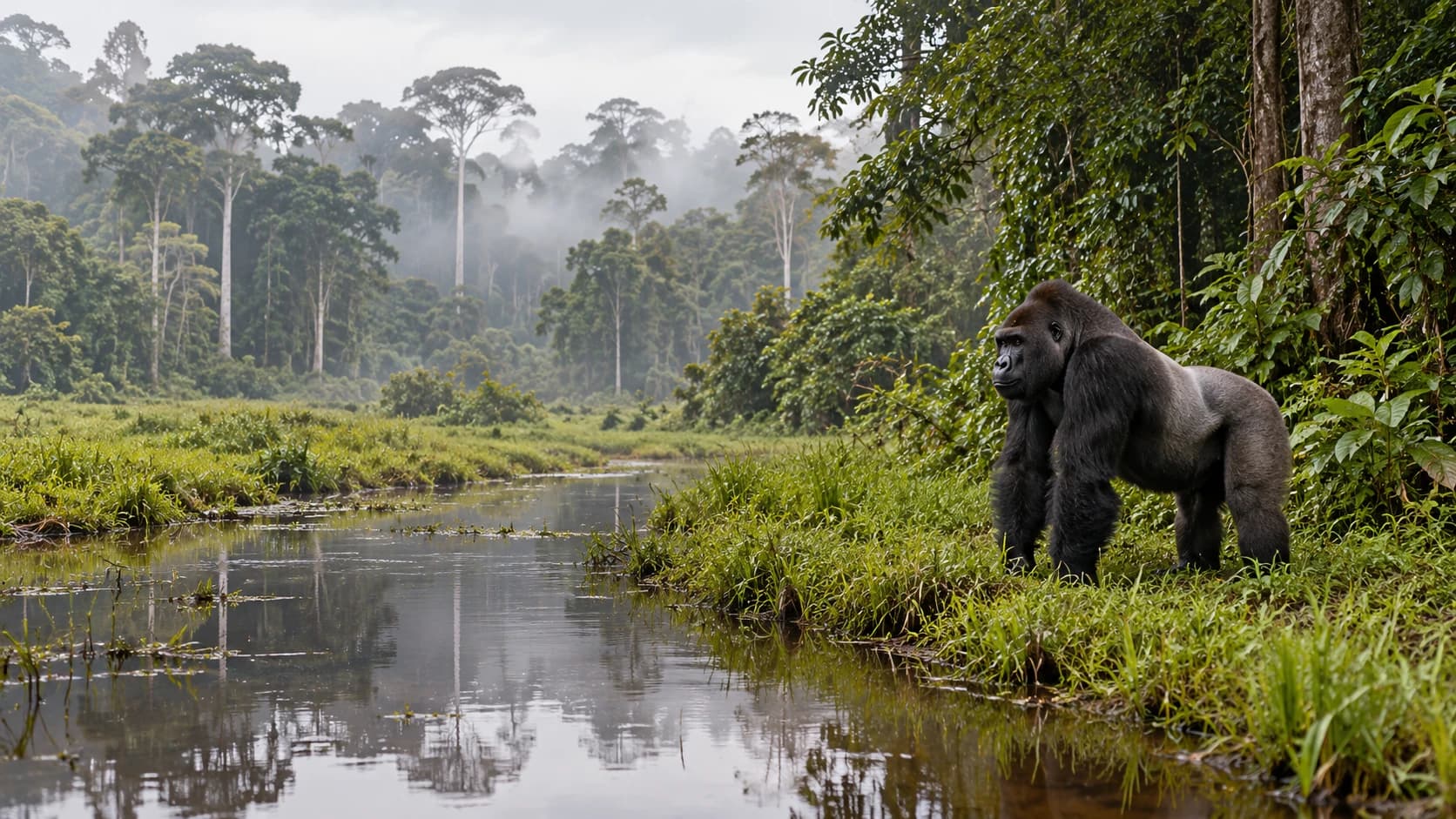
Farther north, Odzala-Kokoua’s forest, savanna and baï clearings shelter western lowland gorillas and forest elephants. Its forest massif is natural UNESCO World Heritage. Nouabalé-Ndoki belongs to the transboundary Sangha Trinational, another natural World Heritage property shared with Cameroon and the Central African Republic. Arrange specialist guides and permits, respect Indigenous communities’ rights and consent, and allow for uncertain wildlife sightings.
Regional cooking includes saka-saka made from cassava leaves, fish, cassava staples and plantains. Rainfall varies regionally, with comparatively dry conditions in the south from June to September and different seasonal patterns farther north. Rain and flooding can interrupt roads and boat journeys, so seasonal descriptions never guarantee access.
AI edited
- 15
- Departments The government lists fifteen departments since 2025. Djoué-Léfini, Congo-Oubangui and Nkeni-Alima are the three additions. Older sources listing twelve departments do not reflect the reform. Climate cards are travel groups rather than administrative divisions.
- ≈ 6.48 million
- Population Rounded UN projection for 2025 using the medium-fertility variant, 6.484 million. This dated estimate is neither a new census nor a population count for 2026.
- 342,000 km²
- Area Surface area according to UNData, referenced to 2023. The country combines Atlantic coast, savanna plateaus and Congo Basin forests. Distinguish it from the much larger Democratic Republic of the Congo.
- French
- Language French is the official language. The flag denotes a language here rather than territorial affiliation. Lingala and Kituba are national lingua francas, alongside other community languages.
- Lingala, Kituba, Téké
- Other languages Lingala and Kituba are national lingua francas. Téké, Lari and Mbochi are further examples. Distribution and everyday use vary regionally. The list is not exhaustive.
- CFA franc
- Currency The Central African CFA franc has the code XAF and is issued by BEAC. FCFA is a common abbreviation. It differs from West African XOF and the DR Congo’s franc, CDF.
- C · E
- Socket types Electrical Safety First lists types C and E with 230 V and 50 Hz. Check local installation, earthing and device suitability. An adaptor does not convert voltage or frequency.
- Brazzaville
- Capital Brazzaville is the Republic of the Congo’s capital and forms a department of its own. Across the river is Kinshasa, capital of the separate Democratic Republic of the Congo. Border crossings require separate entry planning.
- Right-hand traffic
- Driving side Traffic drives on the right under CEMAC road rules. Road conditions, checkpoints and local closures can complicate journeys. Avoid night driving and check current official advice and vehicle condition.
- UTC+1
- Time zone West Africa Time applies throughout the year without seasonal clock changes. The capital clock uses Africa/Brazzaville. The same offset applies nationwide.
The Republic of the Congo on the map

Map data: geoBoundaries (CC BY 4.0), © OpenStreetMap contributors (ODbL), Natural Earth
Climate and best time to travel
Climate varies between the Atlantic coast, southern plateaus and northern rainforest. June to September is generally comparatively dry and slightly cooler in the south. Cards for Brazzaville, Pointe-Noire, Conkouati-Douli and Lésio-Louna mark this broad climate window. Odzala-Kokoua also has a shorter less-rainy period around January and February. Nouabalé-Ndoki’s management lists January to March as the dry season. Rainforest humidity, showers and muddy trails remain possible. Month labels do not assure park opening, safe access or wildlife sightings. Confirm specialist guides, permits and transfers in advance, respecting community rights and animal welfare. Coastal activities follow different seasons. In Conkouati-Douli, whale watching falls roughly in July to September and turtle nesting in November to March. Sightings are not guaranteed and visits must follow conservation rules. Rain and flooding can interrupt roads and boat journeys. Germany’s Foreign Office notes possible closures around Mindouli and recommends travelling through Pool only by daylight and overland. Check current advice, entry and health requirements, and avoid night journeys. Surf and currents can make swimming hazardous.