Malaysia
Rainforest and tropical islands, lively trading cities and diverse cultures between tea-covered hills, limestone caves and rich coastal ecosystems.
Worth coming back!
Wanderlama keeps growing with new destinations, helpful information and exciting features. Check back soon and discover what is new!
Travel to Malaysia
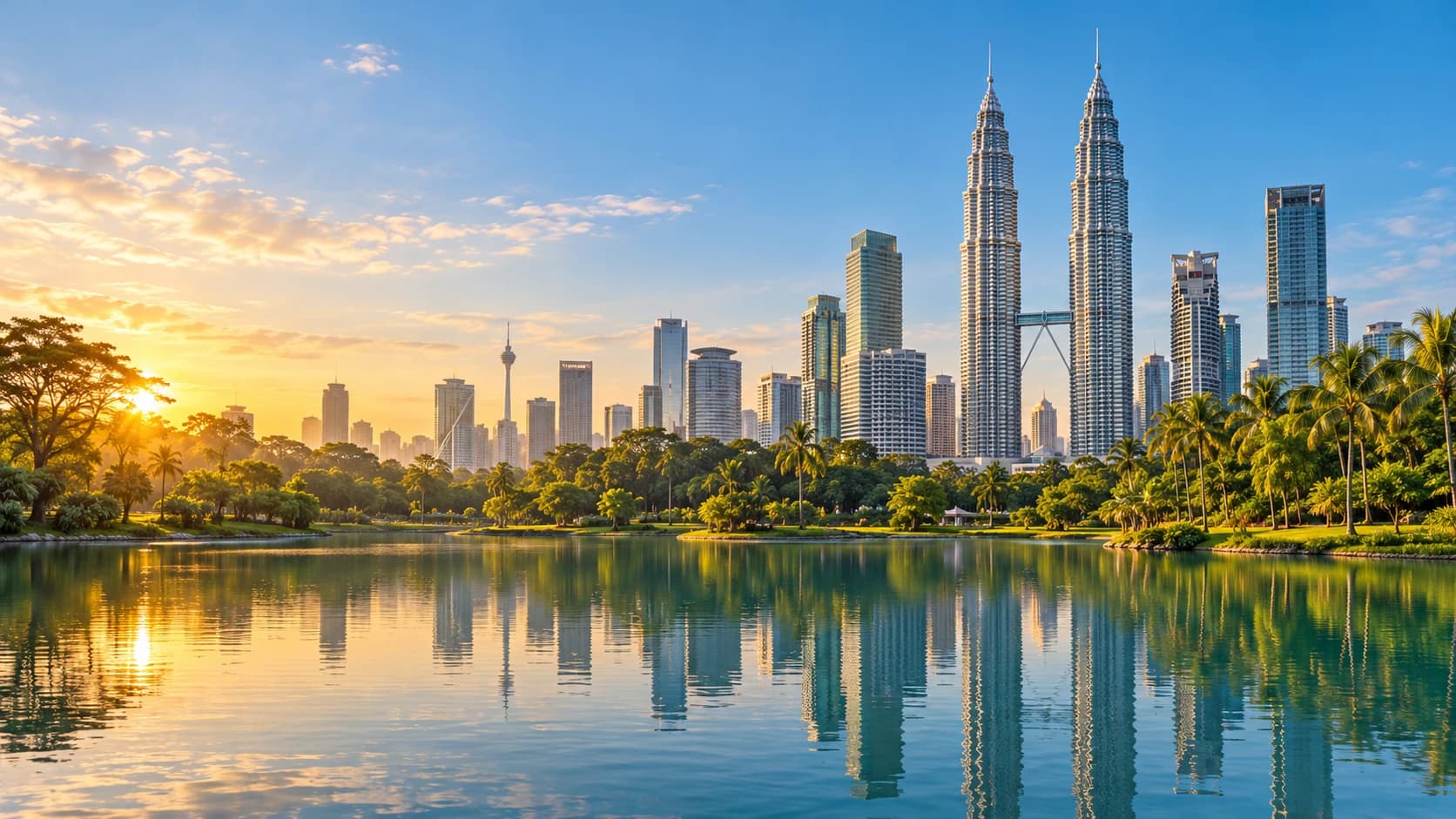
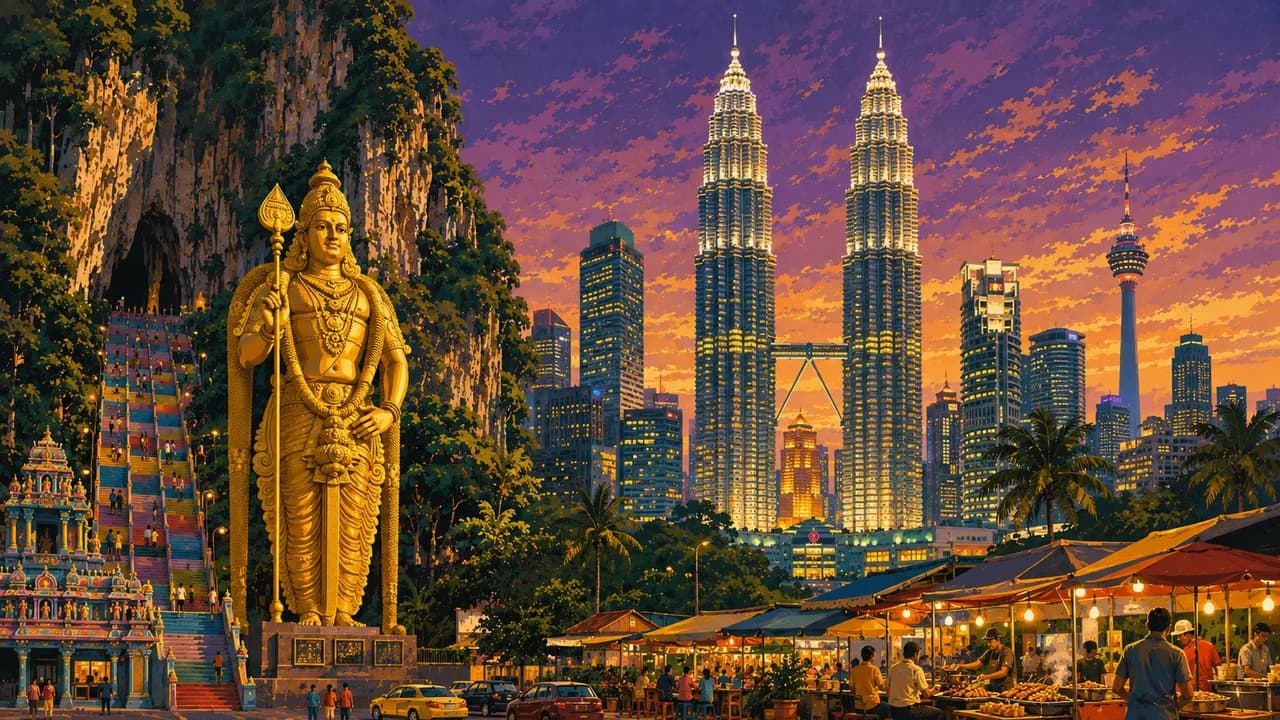
Malaysia spans parts of the Malay Peninsula and Borneo. The South China Sea separates its two main regions. Malay, Chinese, Indian and indigenous traditions shape its cities, food and everyday life. Kuala Lumpur offers the Petronas Towers, markets and modern neighbourhoods, with the Batu Caves nearby.
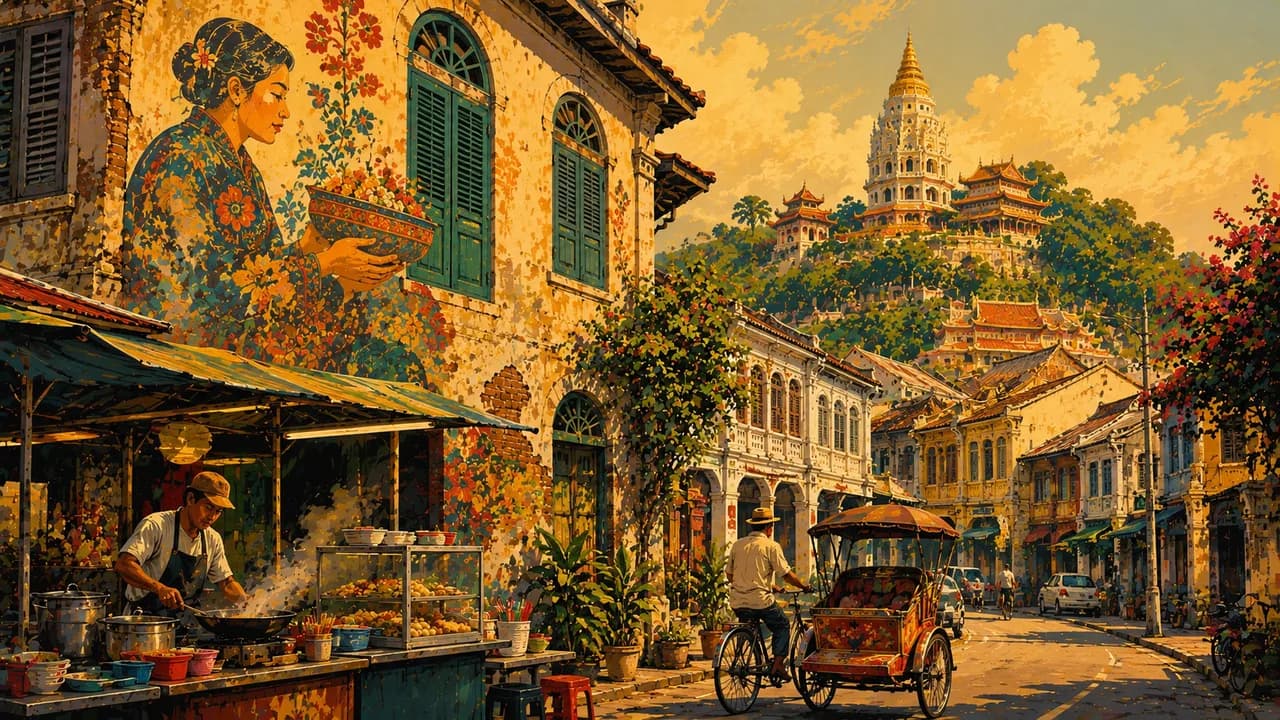
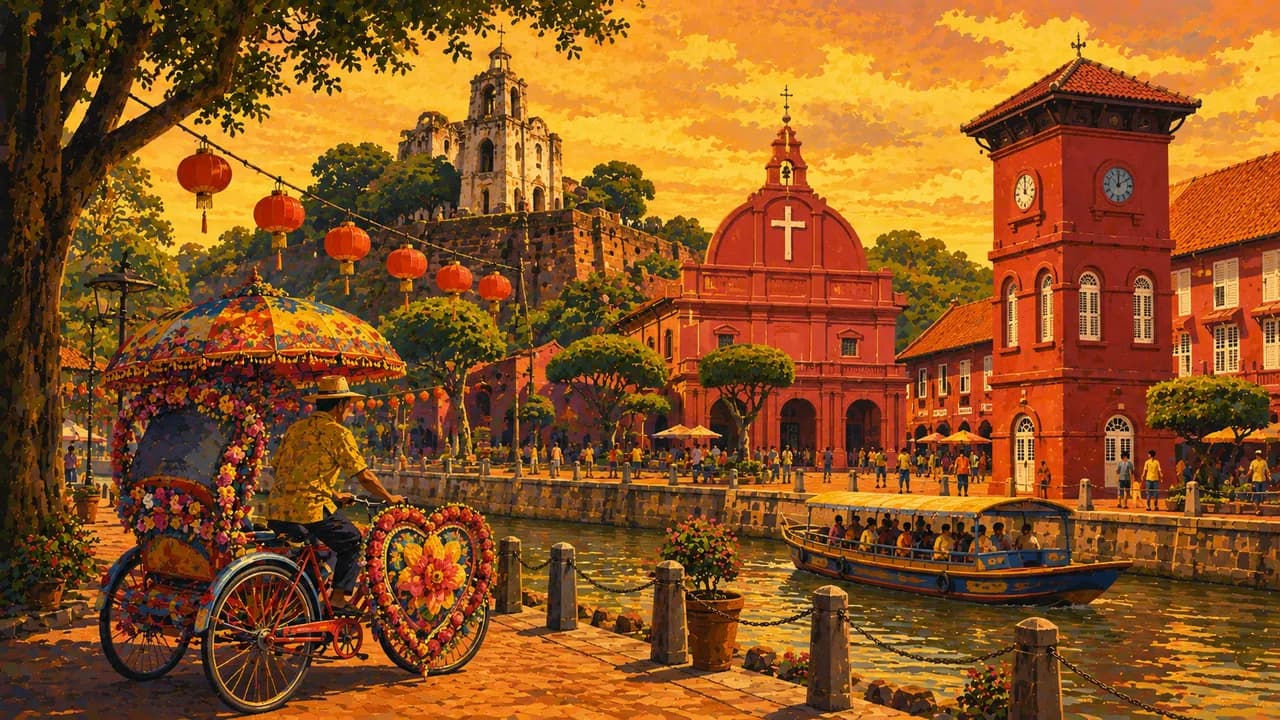
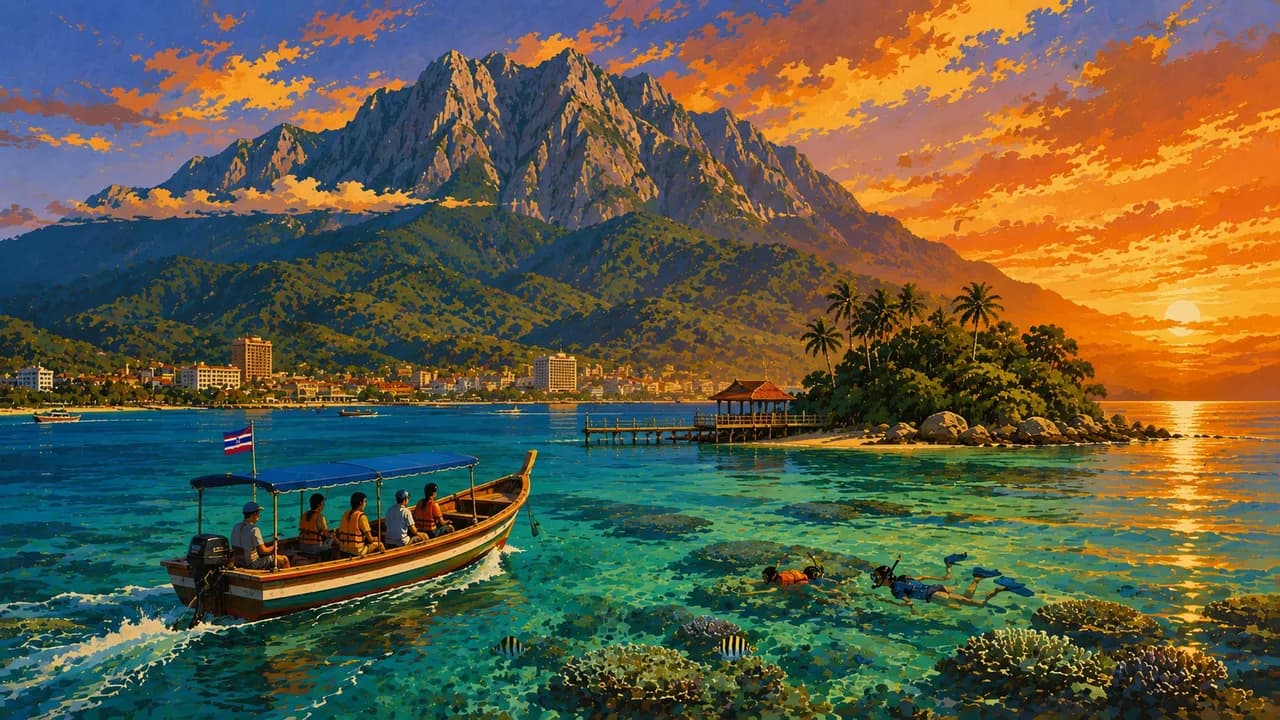
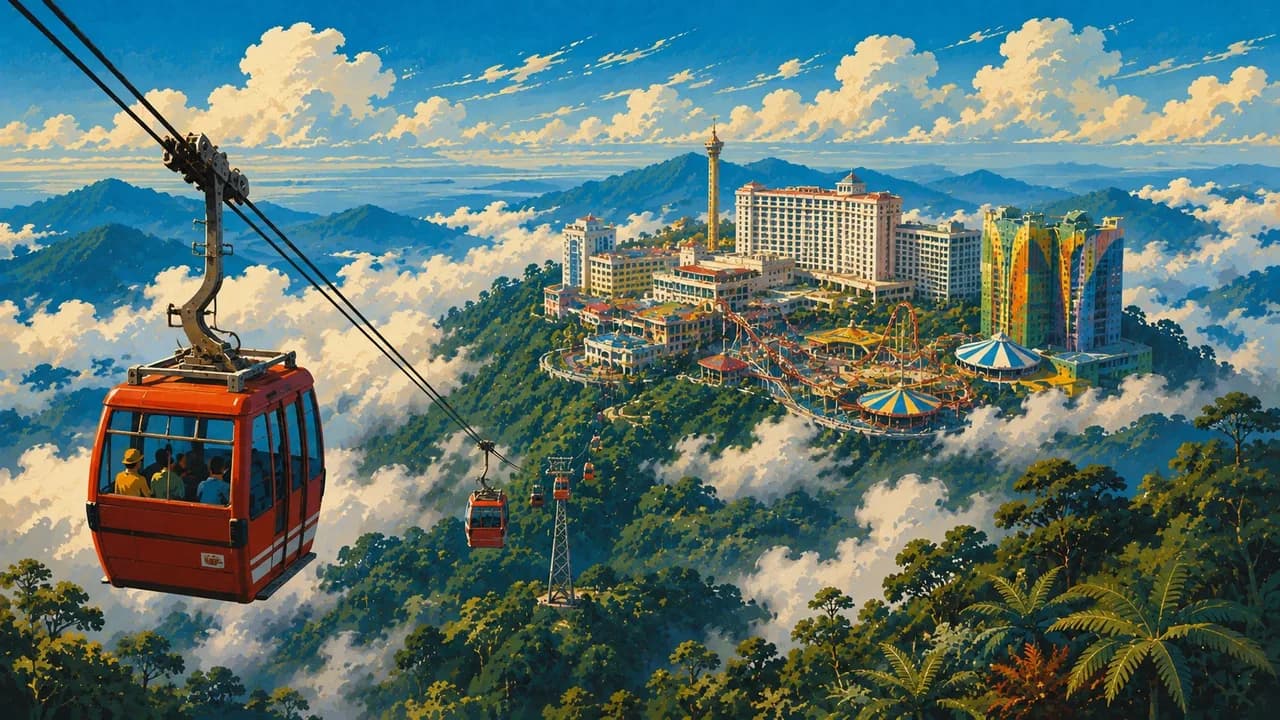
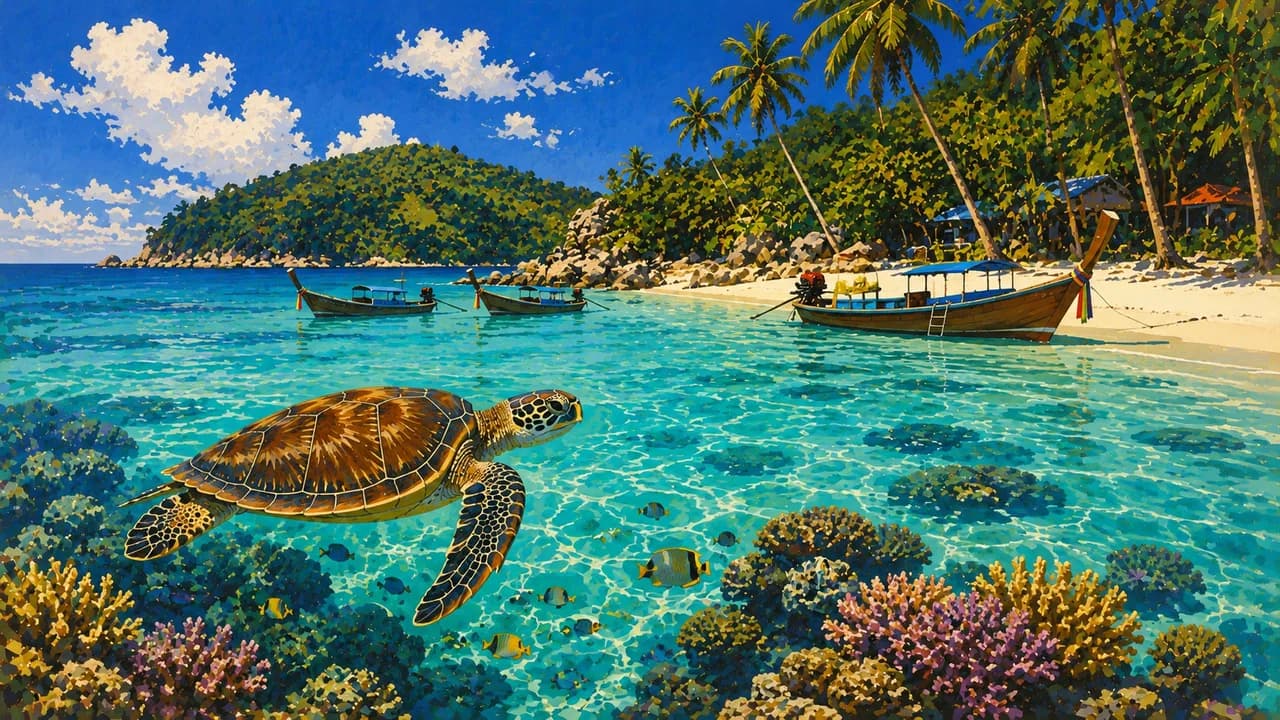
George Town on Penang and Melaka share a UNESCO World Heritage inscription reflecting their trading history and multicultural heritage. Ipoh adds historic streets and limestone cave temples, while the Cameron Highlands offer cooler hills and tea plantations. Taman Negara brings rainforest trails and river journeys into the peninsula's interior. Langkawi and Pangkor lie off the west coast, while the Perhentian Islands, Redang and Tioman offer beaches and reefs to the east.
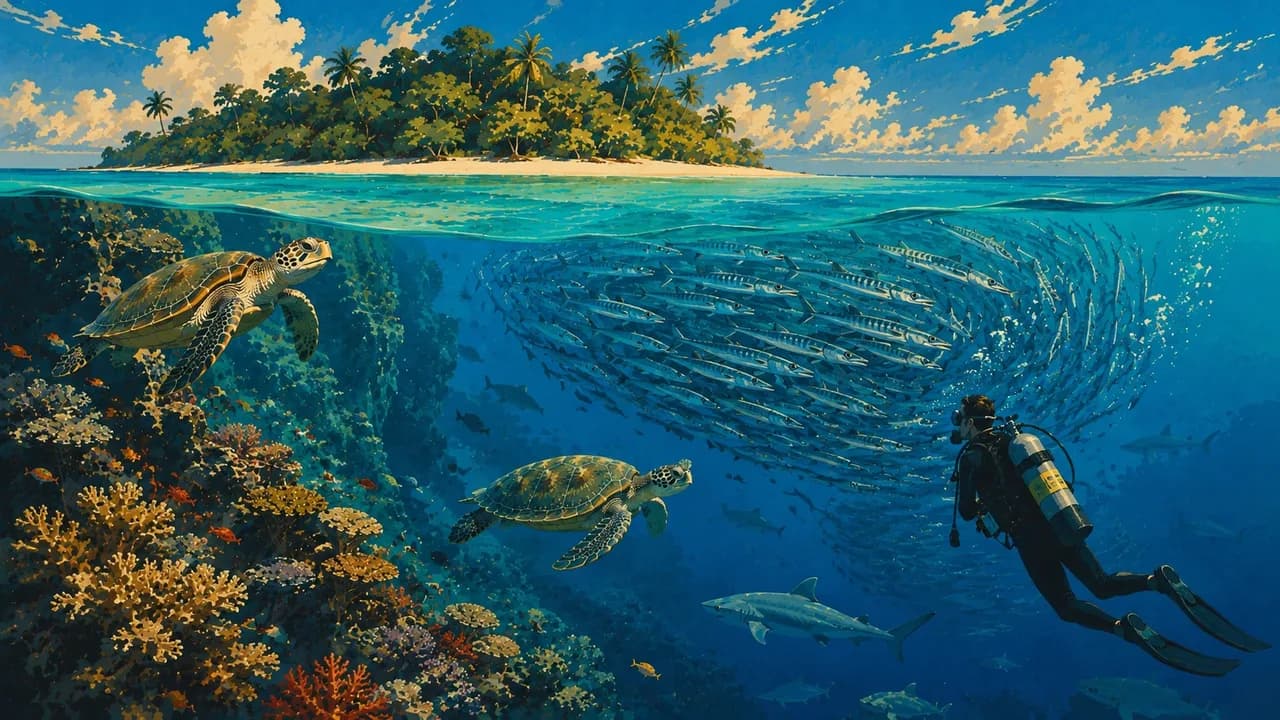
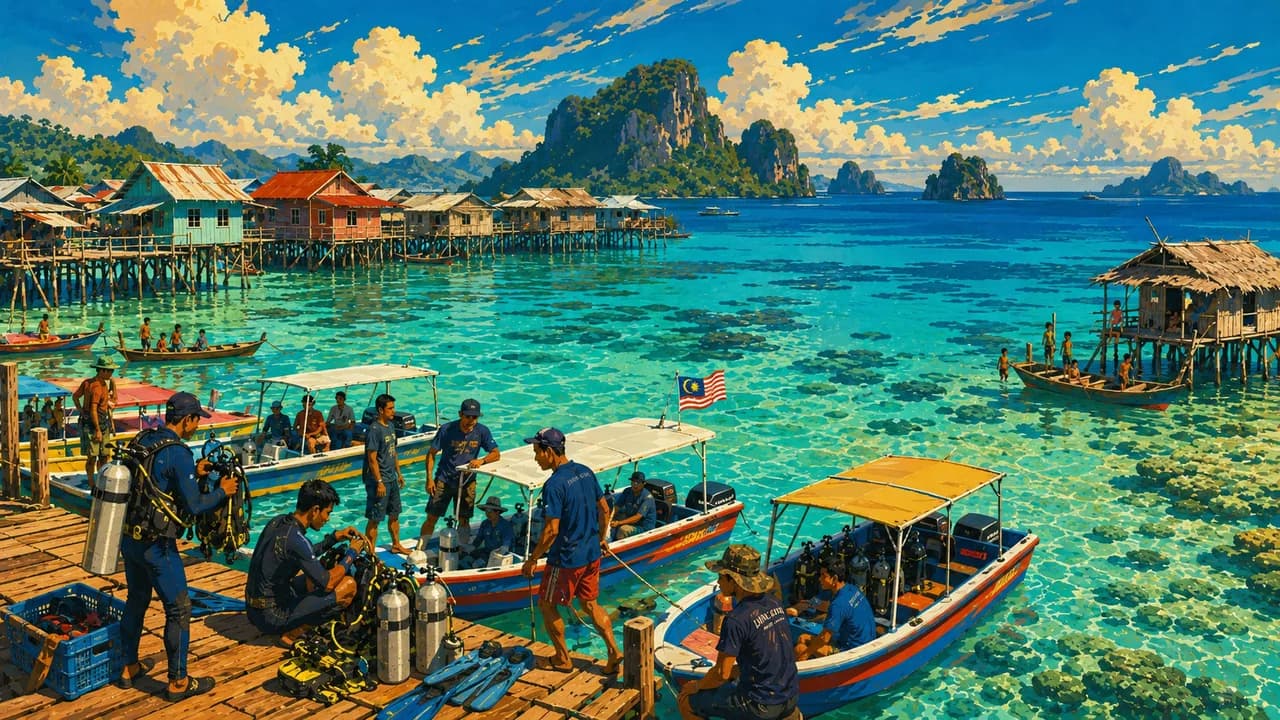
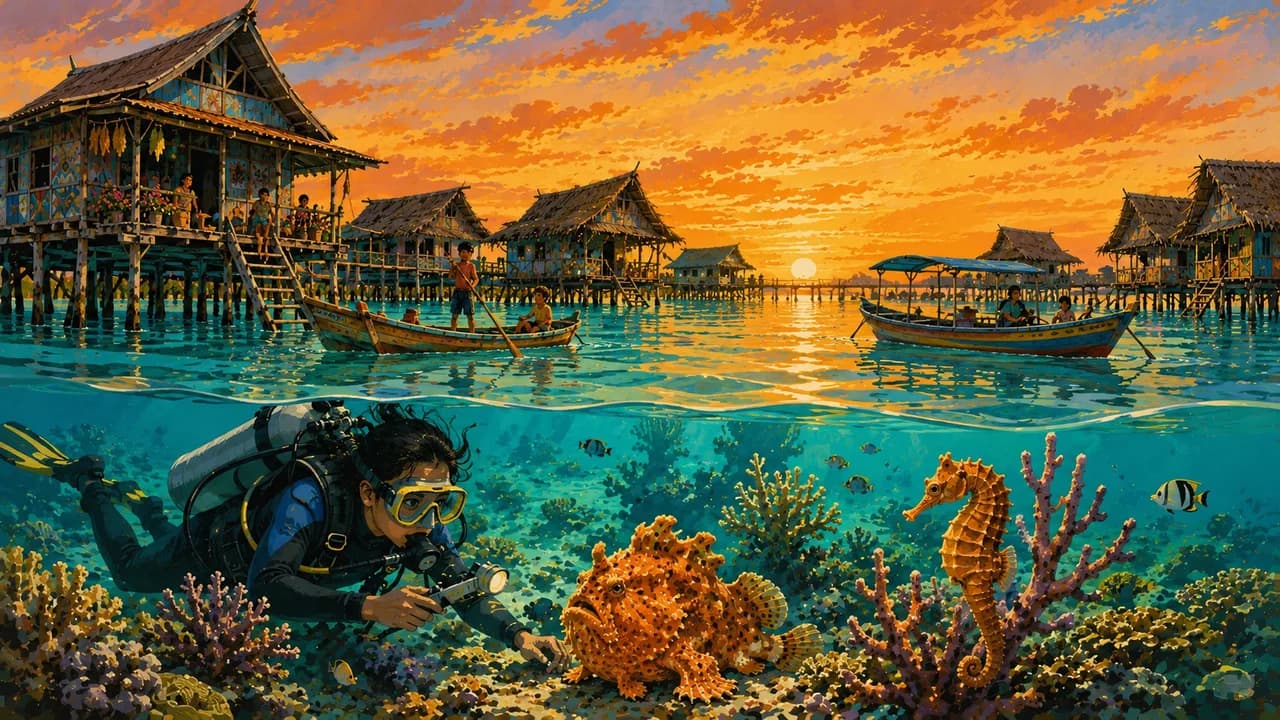
In Sarawak, Kuching introduces local culture and longhouse traditions, and Gunung Mulu National Park protects extensive caves and limestone landscapes. Sabah combines Kota Kinabalu and Kinabalu Park with orangutan rehabilitation at Sepilok and wildlife excursions on the Kinabatangan River. Sightings are not guaranteed. Semporna is a gateway to Mabul and Sipadan's marine environments, with regulated access to Sipadan. Nasi lemak, regional laksa and roti canai reflect the variety of Malaysian cooking.
Travel seasons differ between coasts and Borneo, and the northeast monsoon can disrupt east-coast island visits. Check local conditions, boat services and access requirements before remote excursions. Local markets and small workshops offer further encounters with regional craft traditions and everyday life beyond the main landmarks.
AI edited
- 13
- States Malaysia comprises 13 states and three separate federal territories, Kuala Lumpur, Putrajaya and Labuan. The territories are not counted as additional states.
- 34.4 million
- Population Rounded population estimate from the Department of Statistics Malaysia for 2026. Includes citizens and non-citizens and is not a census count.
- ≈ 330,000 km²
- Area Rounded from Tourism Malaysia's country overview of approximately 329,847 km². Includes the peninsula and East Malaysian territories. Other official survey dates and area definitions may differ.
- Malay
- Language Bahasa Malaysia, also called Bahasa Melayu, is Malaysia's national and official language.
- English & other languages
- Other languages English is widely used in many urban and tourist settings. Chinese languages, Tamil and numerous indigenous languages are also spoken. Language skills vary regionally and individually.
- Ringgit (MYR)
- Currency Malaysia uses the ringgit, abbreviated RM and internationally MYR. Accepted cards and digital payment methods vary by business. Check access to cash before visiting remote places.
- G
- Socket type Type G sockets with three rectangular contacts are common, at 220 to 240 volts and 50 hertz. A plug adapter does not convert voltage. Check appliance specifications.
- Kuala Lumpur
- Capital Kuala Lumpur is the capital. Putrajaya is the federal administrative centre. Both share the same nationwide time zone as Sabah and Sarawak.
- Left-hand traffic
- Driving side Traffic drives on the left in Malaysia. The South China Sea separates the peninsula from Borneo. Many journeys between the two parts of the country are by air.
- UTC+8
- Time zone Peninsular Malaysia, Sabah and Sarawak use UTC+8 year-round without seasonal clock changes. The clock strip compares the time with the browser zone and a saved home location where available.
- 4
- UNESCO cultural sites Four cultural properties out of six UNESCO World Heritage properties, checked October 2026. Melaka and George Town count together. Natural properties Kinabalu and Gunung Mulu are excluded.
Malaysia on the map

Map data: geoBoundaries (CC BY 4.0), © OpenStreetMap contributors (ODbL), Natural Earth
Climate and best time to travel
Malaysia is tropical year-round, but the best travel season depends on coast, elevation and activity. Roughly November to March is often favourable for Langkawi and many west-coast outings. March to October generally offers better conditions for visits to the peninsula's east-coast islands. The northeast monsoon can bring heavy rain and rough seas there, particularly between November and March, potentially affecting boat services and accommodation. The Cameron Highlands are cooler than the lowlands but remain humid, with potentially slippery hiking trails during rain. Taman Negara, Sarawak and Sabah receive rain outside the wetter months as well. Cave visits, wildlife viewing and river trips depend on local conditions. Mountain climbs and diving also have access and operator rules, including at Kinabalu and Sipadan. Month ranges are only a guide, not guarantees of dry weather, sightings or access. Check regional forecasts, park information and boat services before outings.
Destinations in Malaysia
 AI generated
 AI generated
 AI generated
 AI generated
 AI generated
 AI generated
 AI generated
 AI generated
 AI generated
 AI generated
 AI generated
 AI generated