Vietnam
Việt Nam
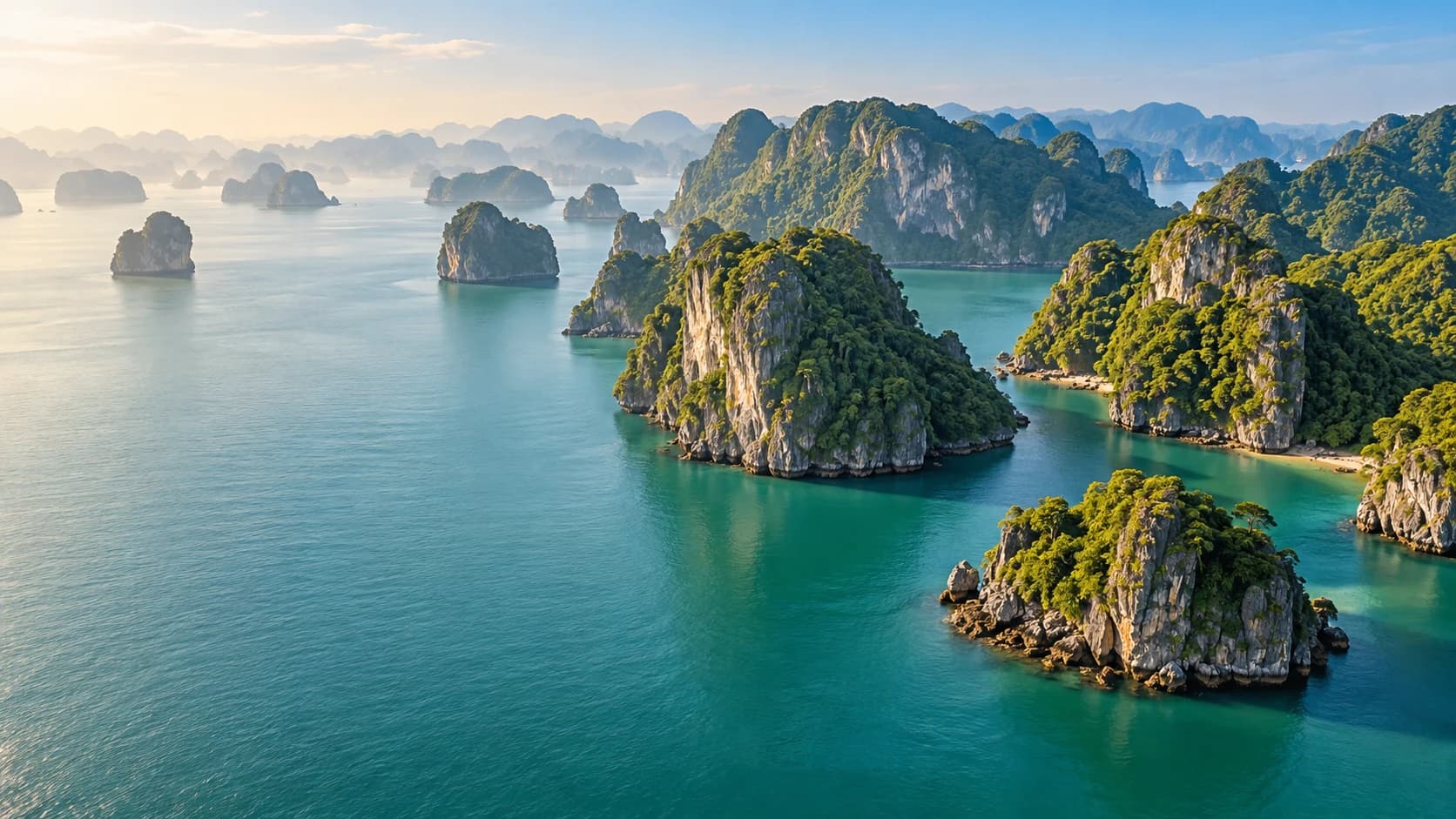
Dramatic limestone landscapes, lively old towns and a cuisine full of fresh flavours.
Worth coming back!
Wanderlama keeps growing with new destinations, helpful information and exciting features. Check back soon and discover what is new!
Travel to Vietnam
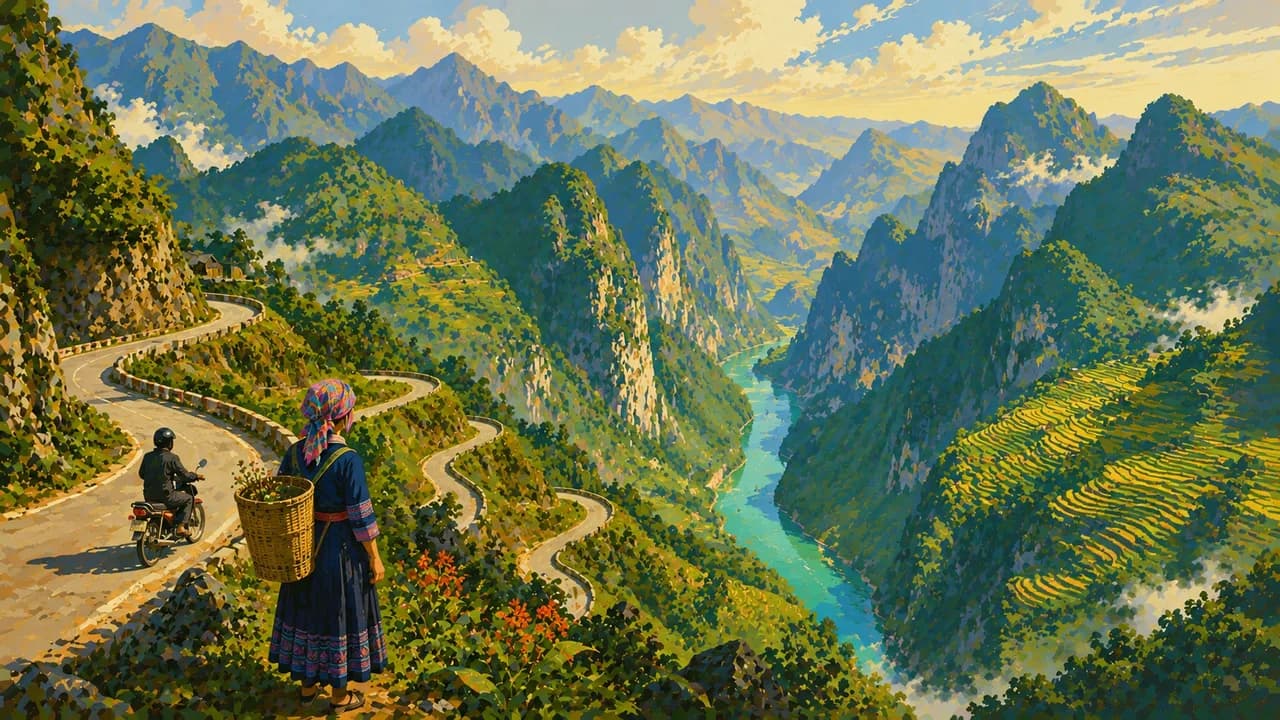
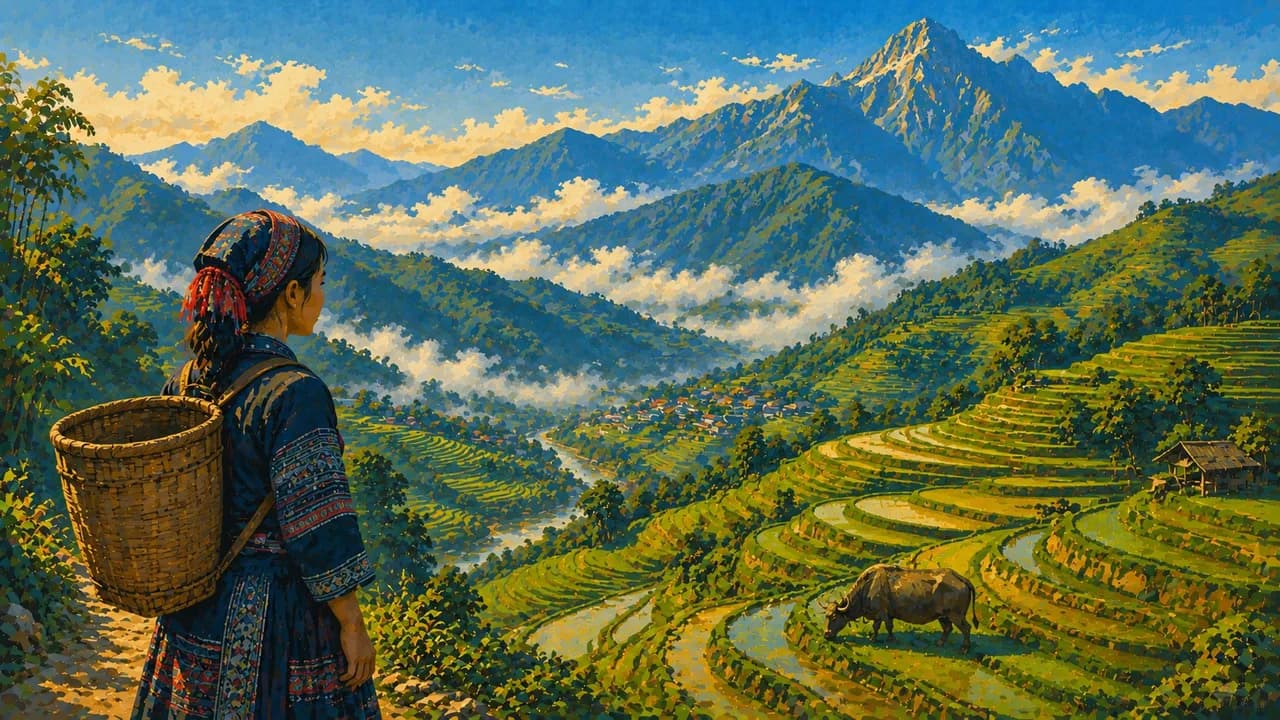
Vietnam stretches from the mountains of the north along a long coastline to the Mekong Delta in the south. Sapa's rice terraces, Ha Giang's mountain passes and the limestone islands of Ha Long Bay shape the north. Near Ninh Binh, Trang An's waterways wind between limestone cliffs.
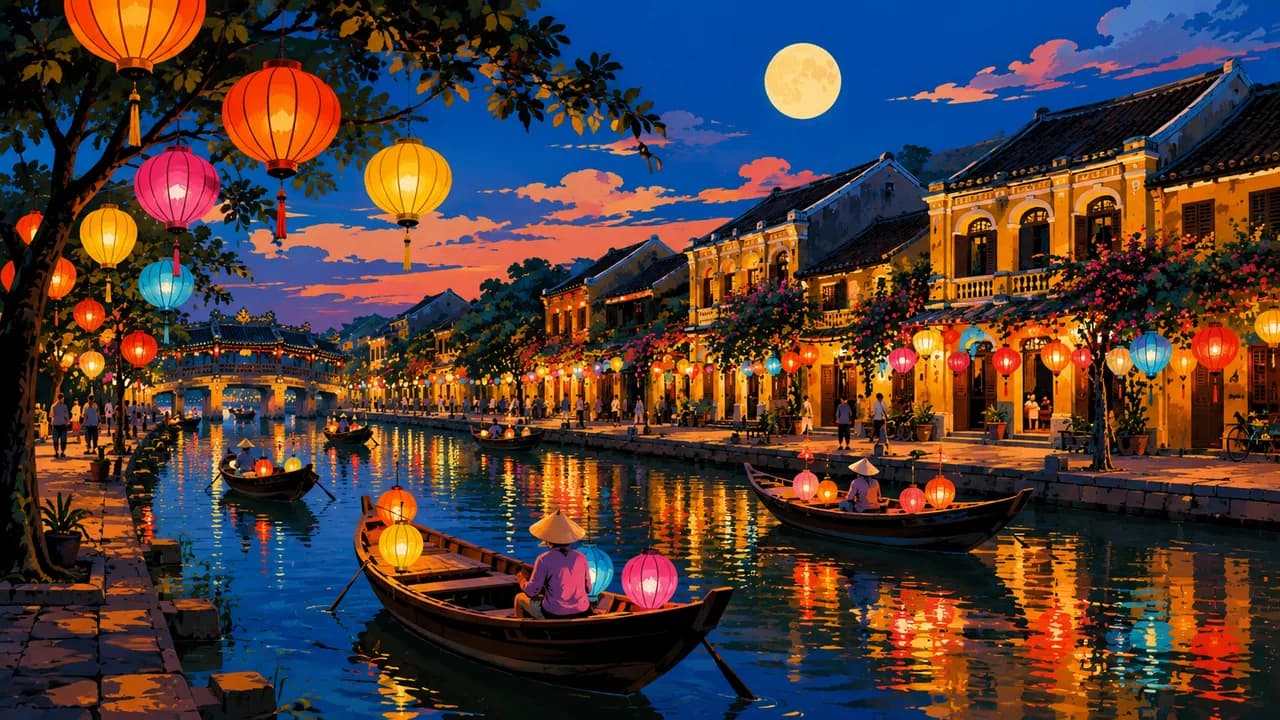
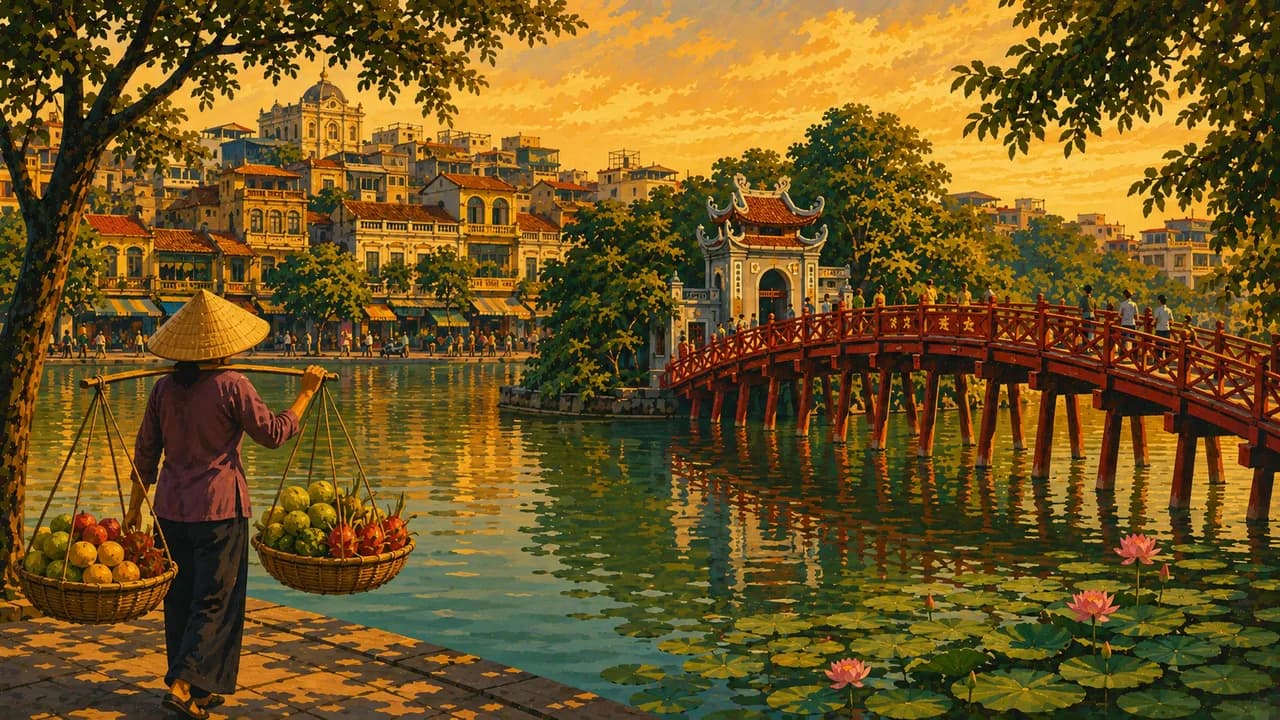
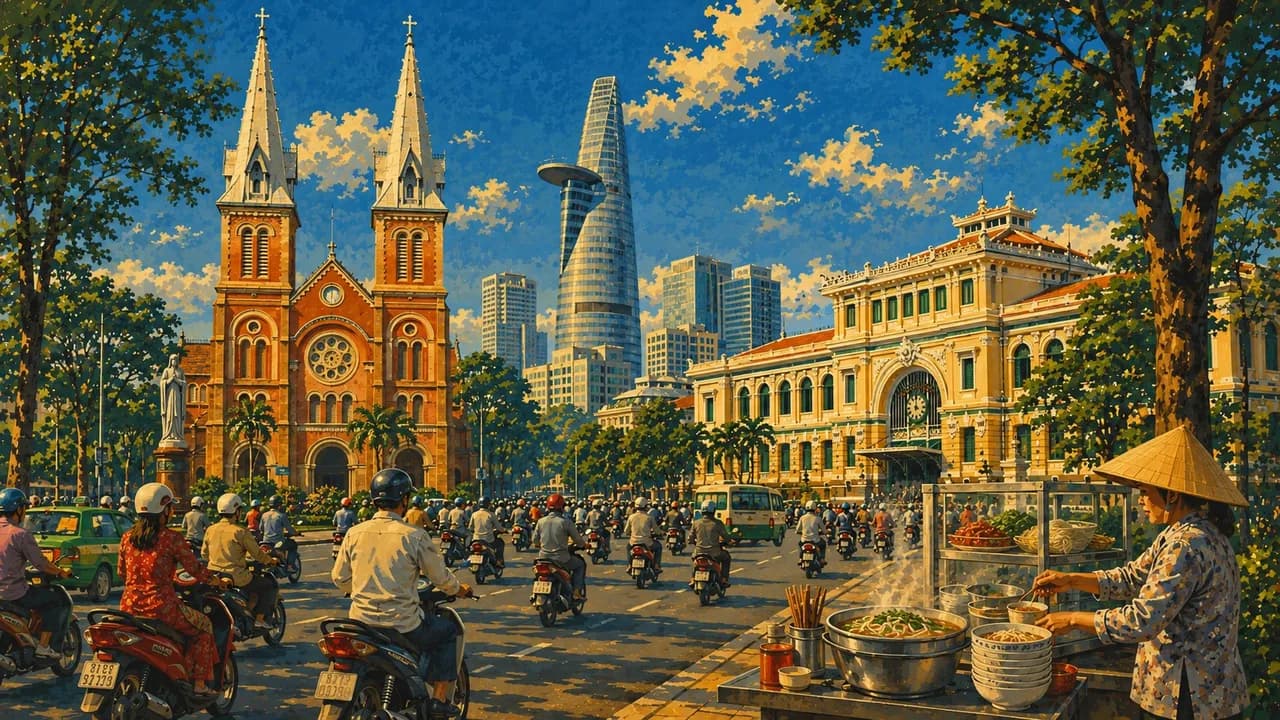
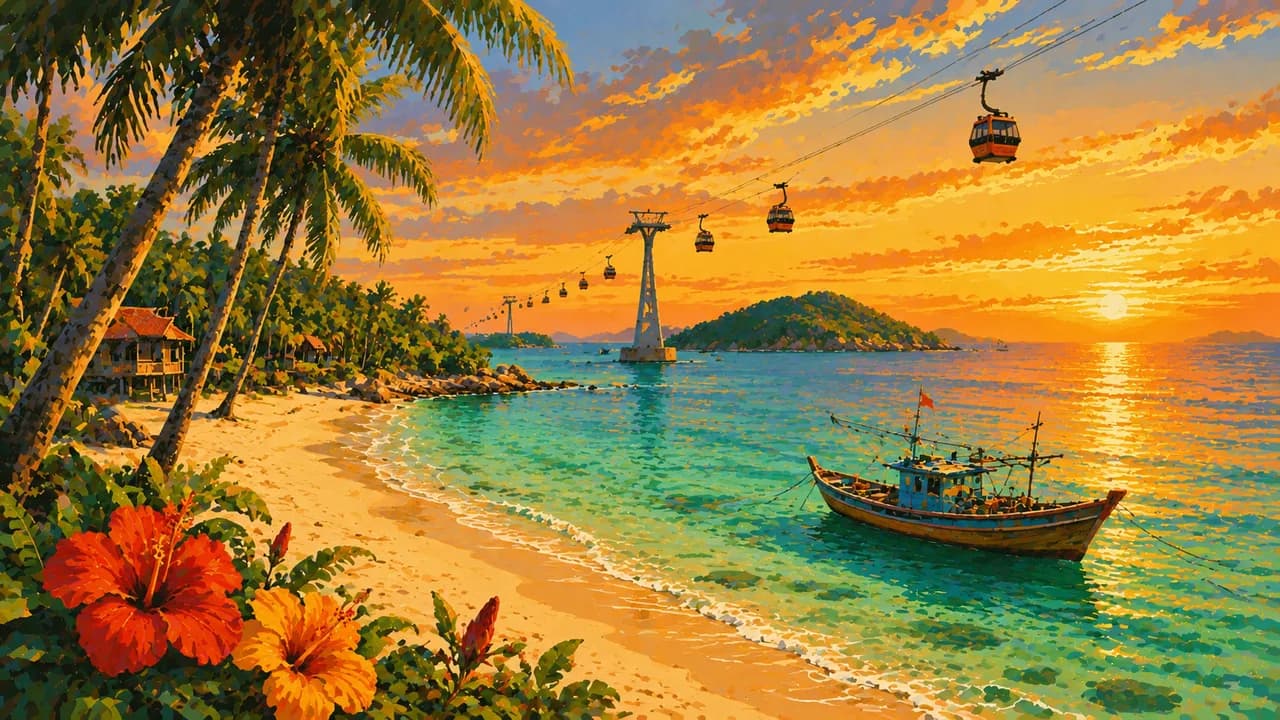
Phong Nha-Ke Bang National Park offers extensive cave systems. Hanoi preserves its narrow old-quarter streets, Hoi An its historic trading town and Hue its imperial citadel. Da Nang and Nha Trang offer sandy beaches, while Phu Quoc combines tropical shores with a national park. The cooler highlands around Da Lat add forests, waterfalls and coffee growing. Ho Chi Minh City provides a lively urban contrast to the waterways and orchards of the Mekong Delta.
Pho, banh mi, fresh herbs and regional coffee traditions complete the portrait. Beyond the landmarks, village markets, craft workshops and religious sites show how regional traditions remain part of daily life. Northern mountain communities have distinct languages, textiles and farming practices, which deserve respectful visits rather than staged encounters. Central Vietnam also preserves Cham heritage, while the highlands add coffee-producing communities and forests. Regional dishes differ in seasoning, ingredients and eating habits, making small food markets as revealing as major sights.
Weather patterns differ sharply between north, centre and south, and mountain temperatures contrast with tropical lowlands. Coastal storms, seasonal rain and river levels can affect excursions. Trains link major cities along the country, while buses, flights and boats connect inland and island destinations. Longer routes benefit from regional bases and sufficient transfer time.
AI edited
- 54
- Ethnic groups
- 102.3 million
- Population
- ≈ 331,000 km²
- Area
- Vietnamese
- Language
- English & minority languages
- Other languages English is widely used in tourism and larger cities. Languages spoken by ethnic communities include Tay, Thai, Khmer and Hmong, among others.
- Vietnamese đồng (VND)
- Currency
- A · C
- Socket types
- Hanoi
- Capital
- Right-hand traffic
- Driving side
- UTC+7
- Time zone Indochina Time (ICT): UTC+7. Vietnam uses one time zone nationwide and does not observe daylight saving time.
- 6
- UNESCO cultural sites
Vietnam on the map

Map data: geoBoundaries (CC BY 4.0), © OpenStreetMap contributors (ODbL), Natural Earth
Climate and best time to travel
Vietnam's monsoon climate varies considerably between the north, central coast and south. The north has cooler winters and hot, rainy summers. April to May and September to November often offer favourable conditions for mountain walks. The central coast is generally sunnier from February or March to August, while heavy rain and tropical storms can occur in autumn. In the south, temperatures stay warm all year and the drier travel season usually runs from December to April. There is therefore no single best season for the entire country.
Destinations in Vietnam
 AI generated
 AI generated
 AI generated
 AI generated
 AI generated
 AI generated
 AI generated
 AI generated
 AI generated
 AI generated
 AI generated
 AI generated