Fiji
Viti · फ़िजी
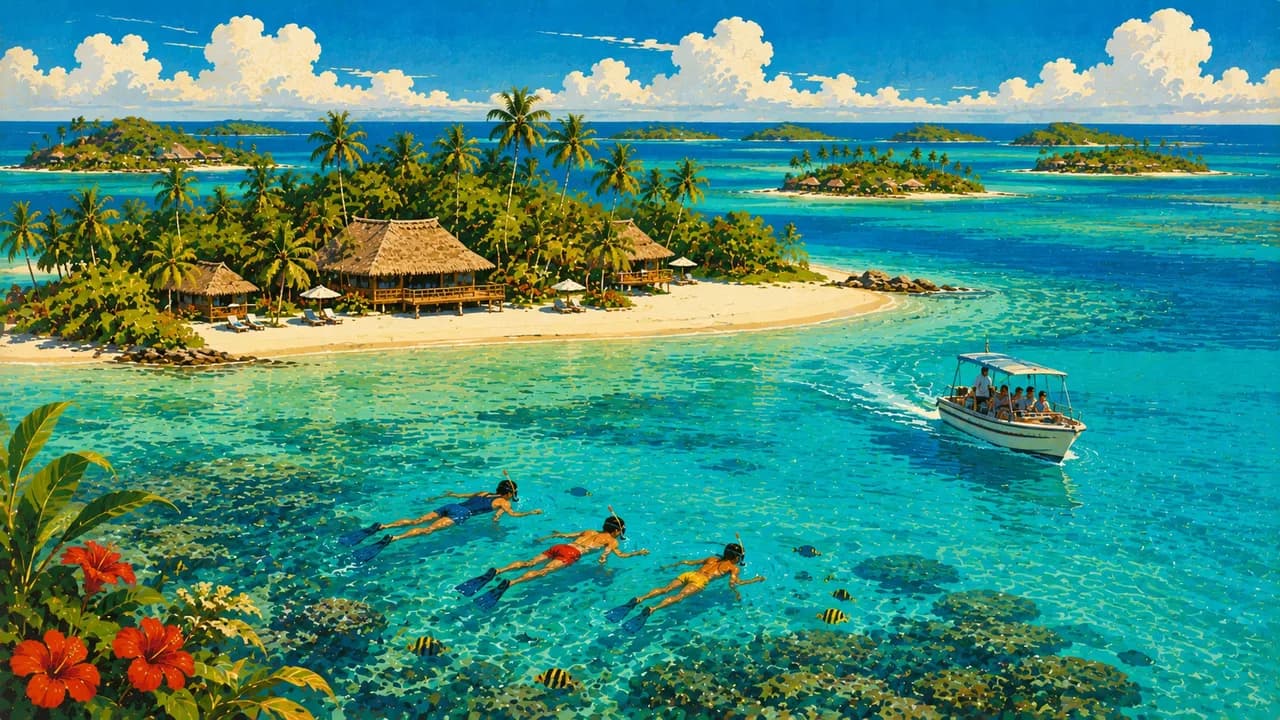
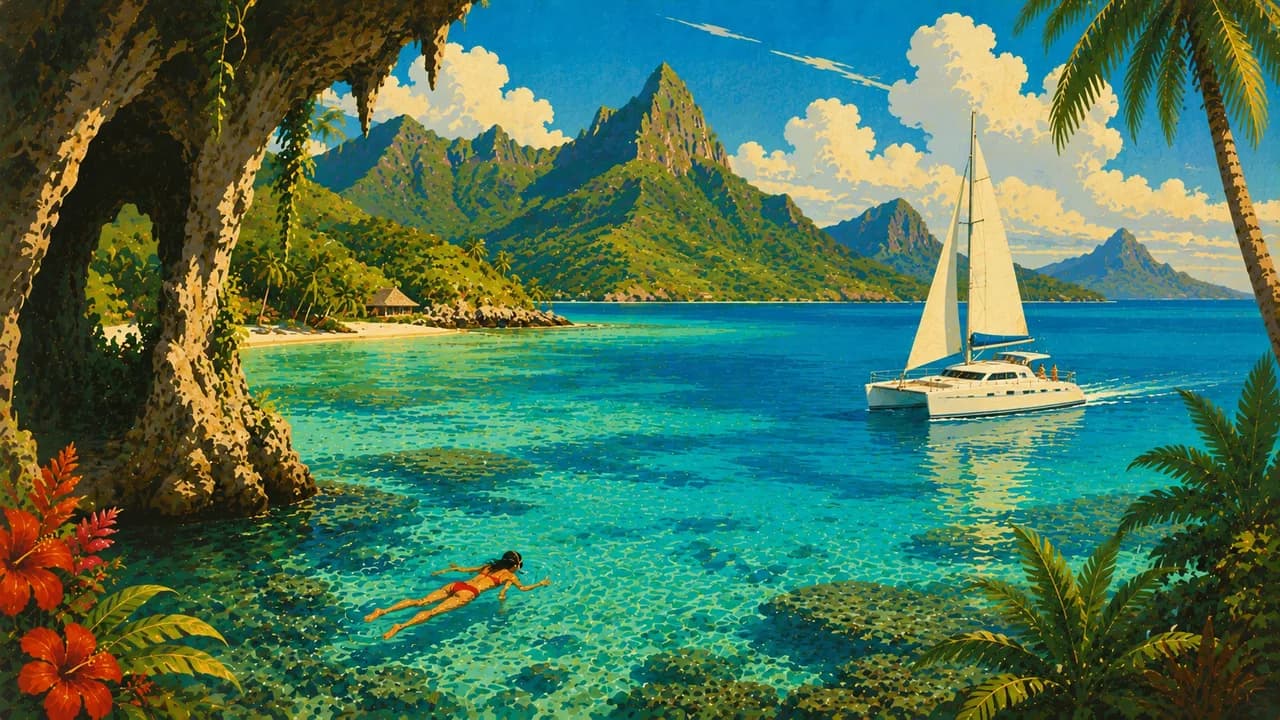
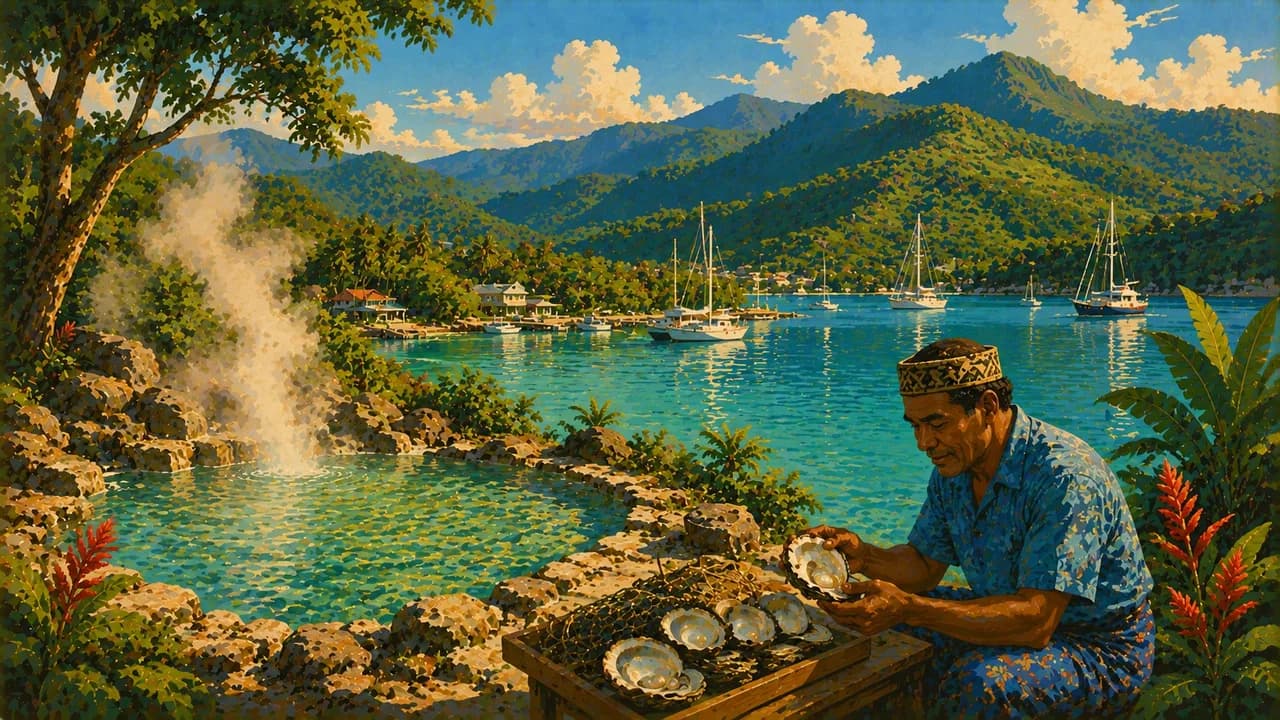
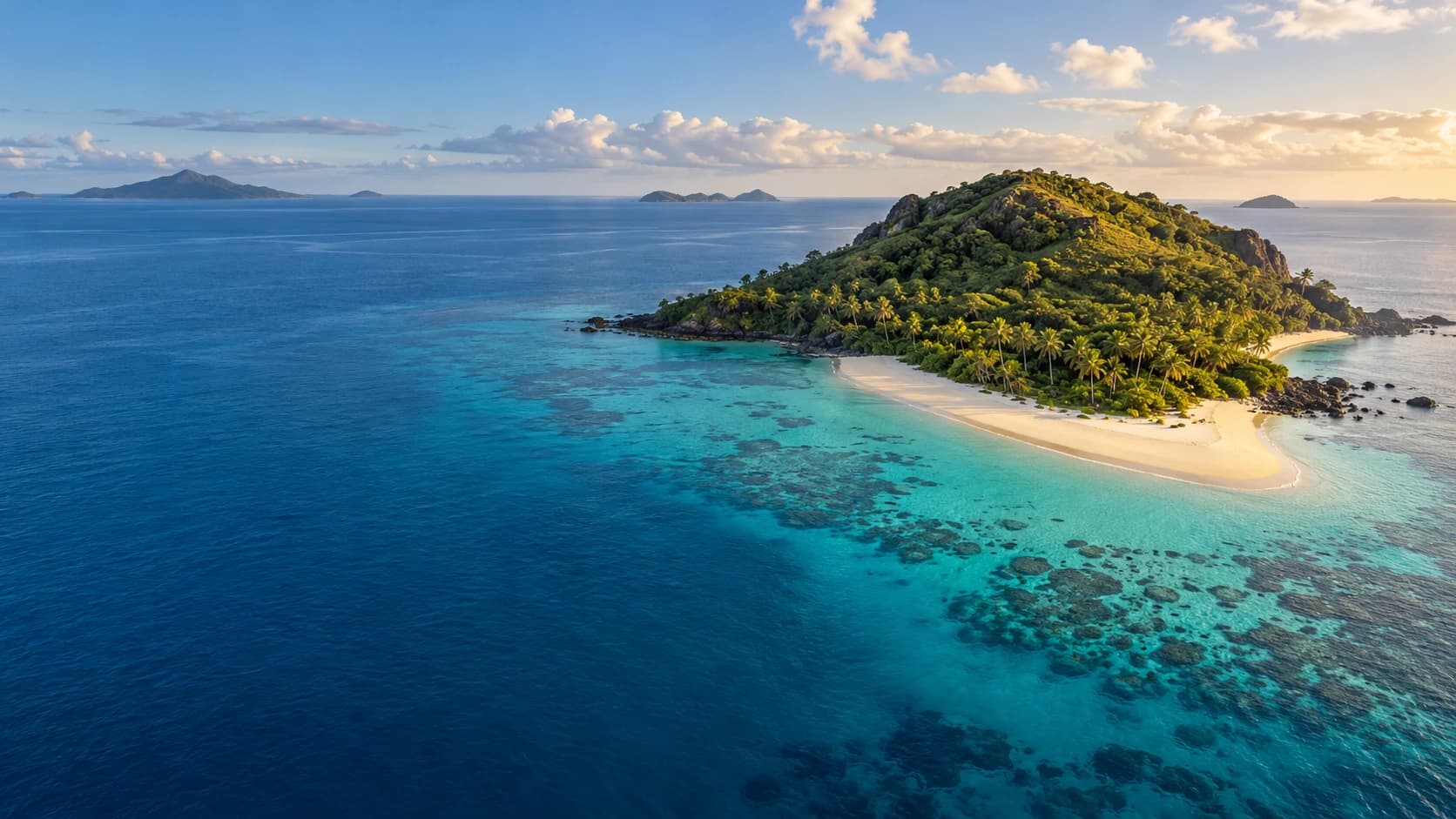
Coral lagoons, green volcanic islands and living island traditions between tropical beaches and rainforest.
Worth coming back!
Wanderlama keeps growing with new destinations, helpful information and exciting features. Check back soon and discover what is new!
Travel to Fiji
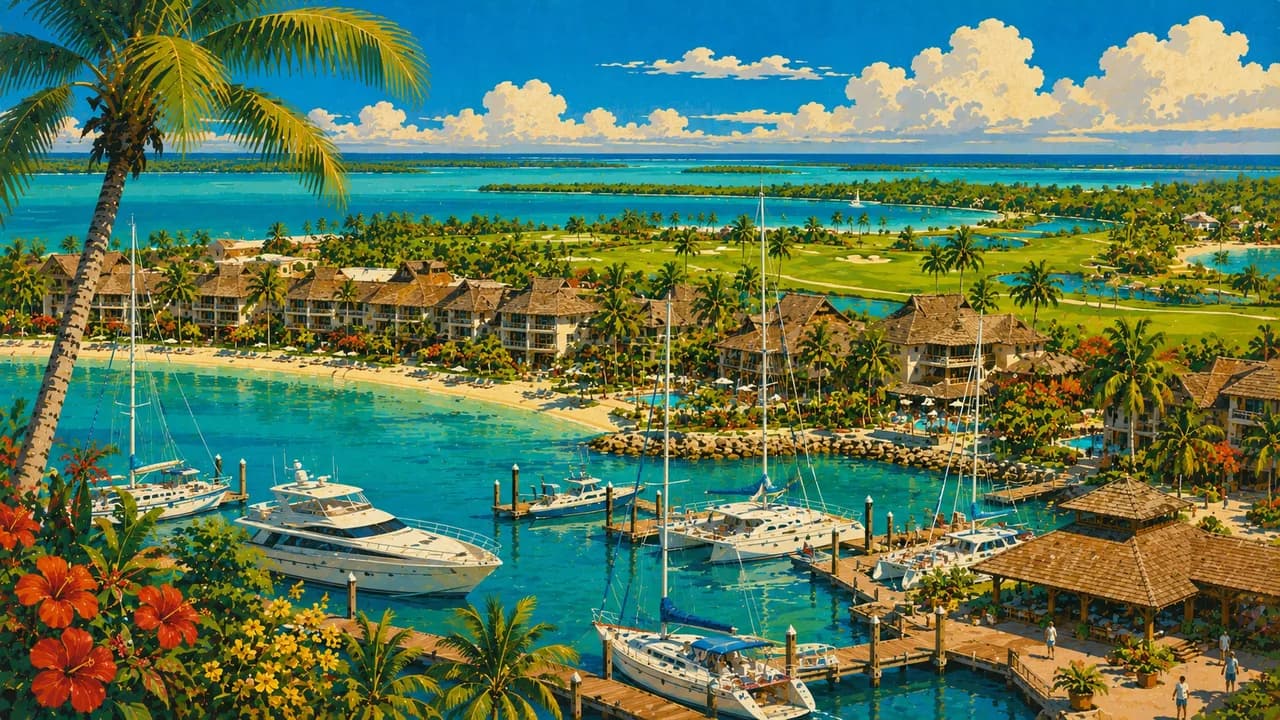
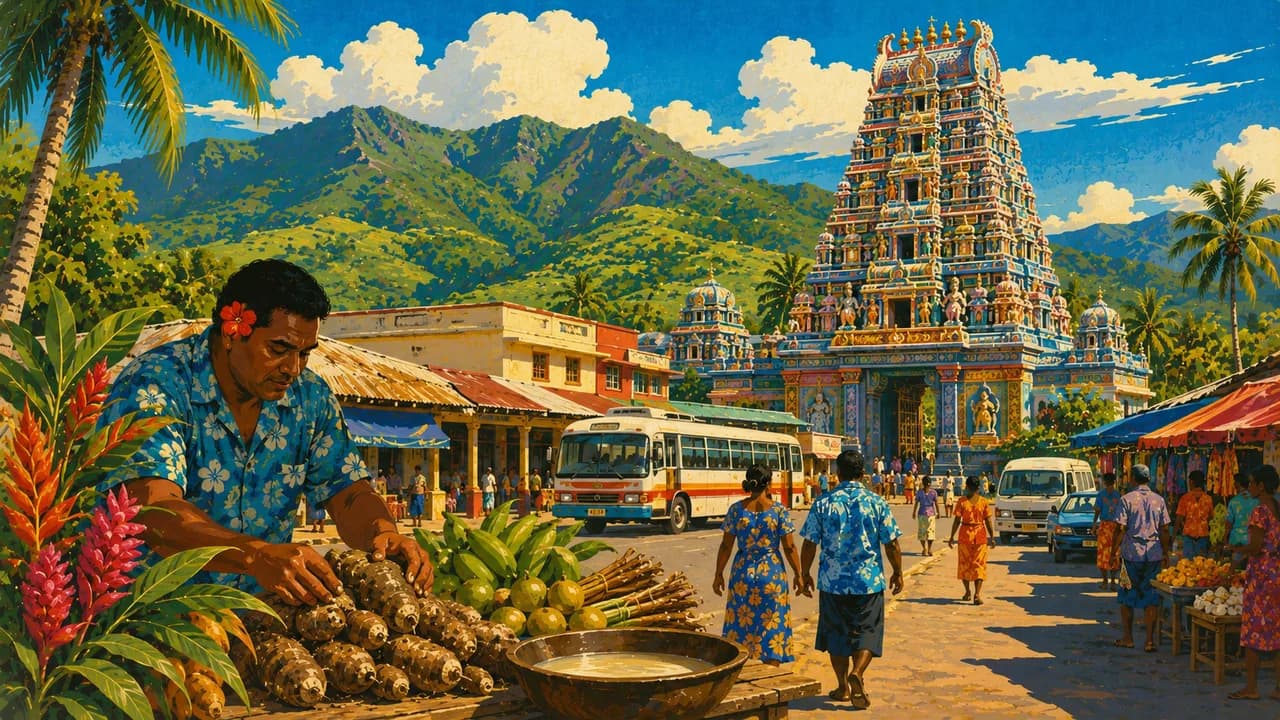
Fiji spreads across more than three hundred islands in the South Pacific, combining coral lagoons and volcanic highlands with indigenous iTaukei traditions and Indo-Fijian culture. On the largest island, Viti Levu, Nadi is the main international gateway, Denarau a resort and ferry hub, and the Coral Coast a base for beaches and village encounters.
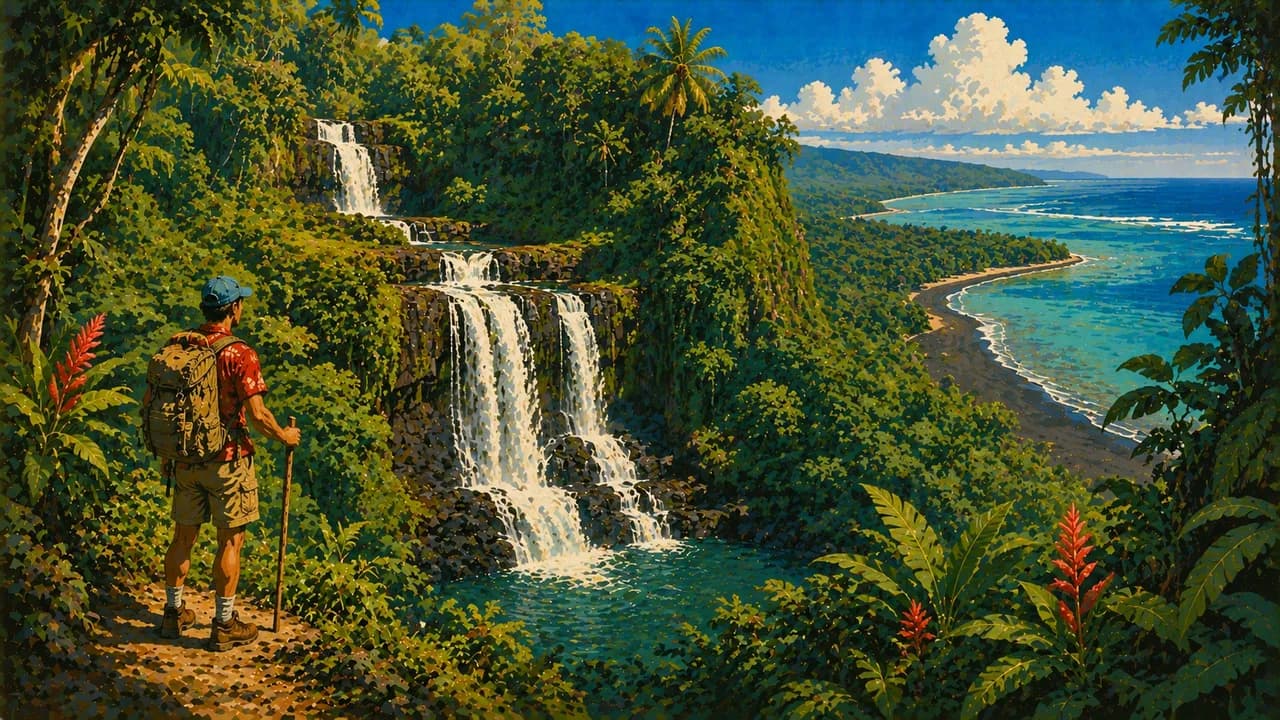
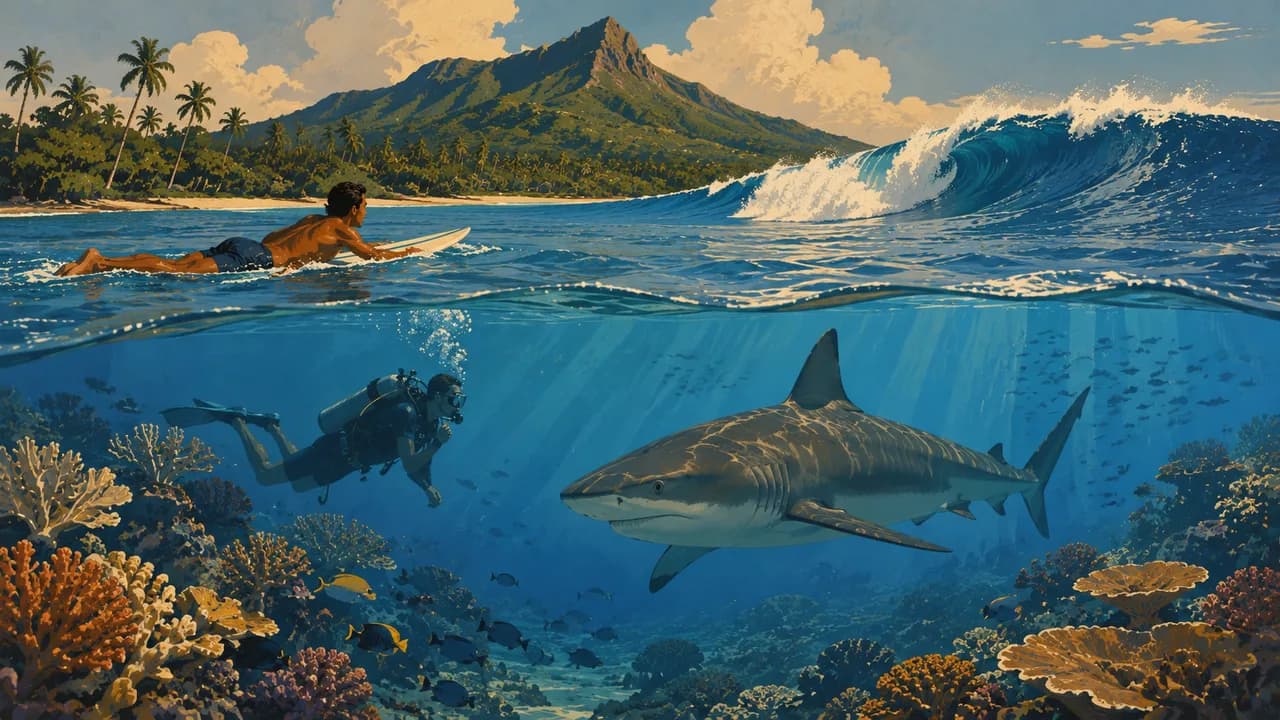
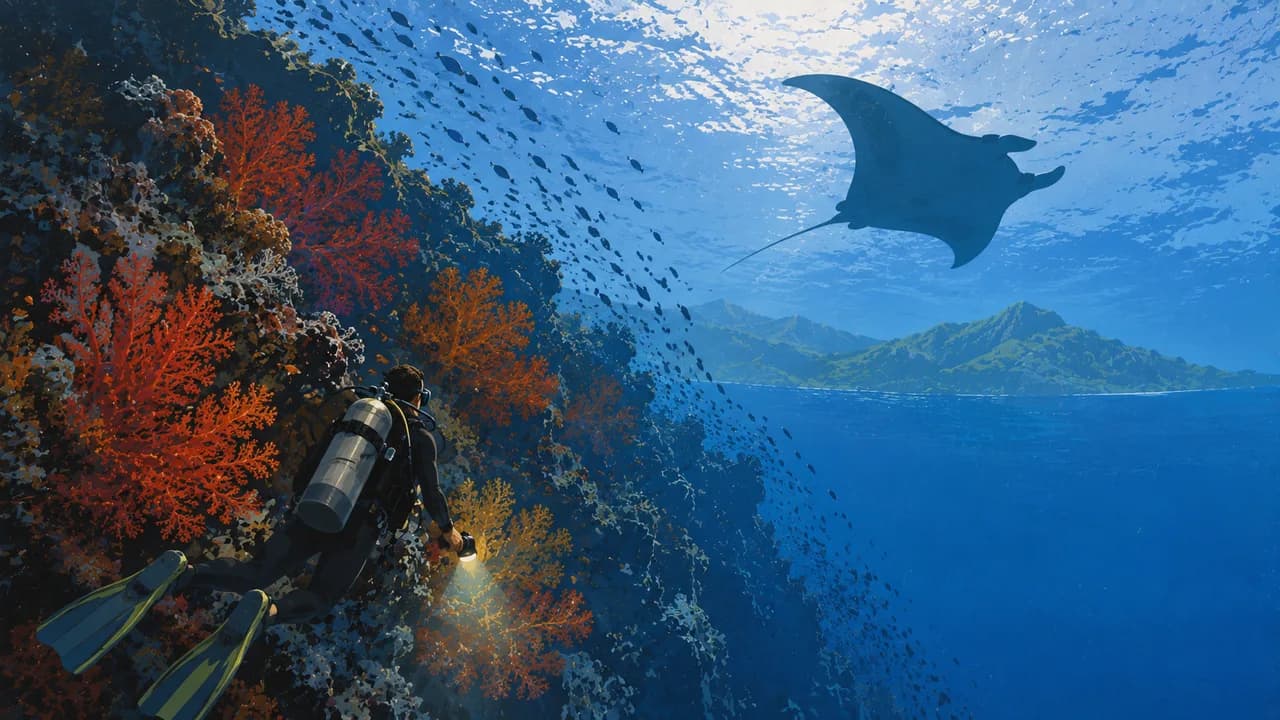
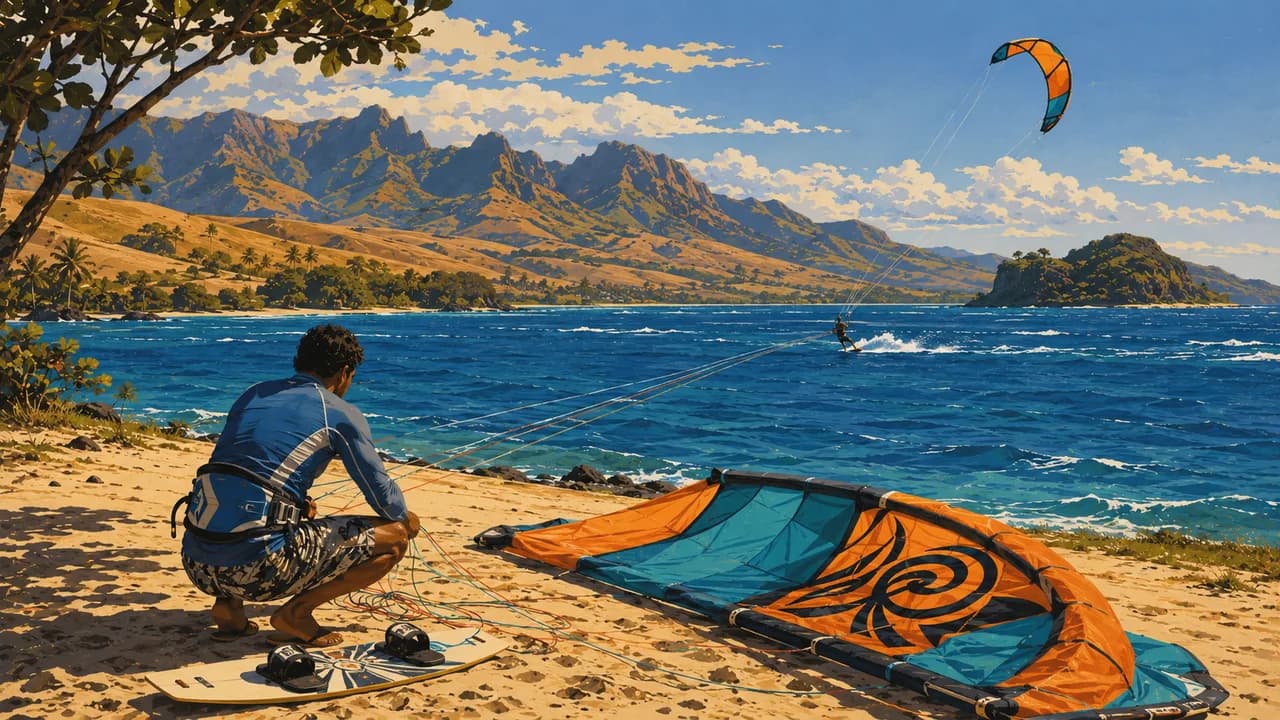
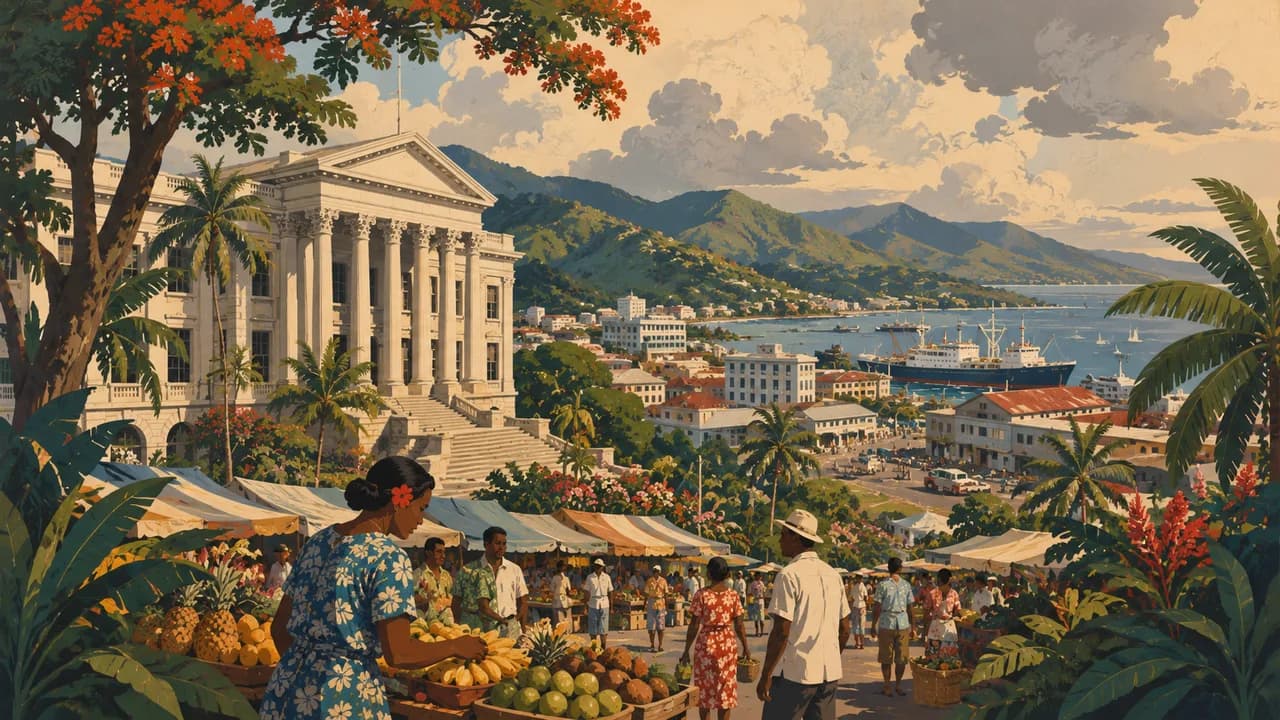
The capital Suva adds markets, museums and urban life. The interior offers rainforest, rivers and highland walks. Rakiraki on the Suncoast provides access to the soft-coral reefs of Bligh Water. The Mamanuca and Yasawa islands invite island-hopping, snorkelling and sailing. Cloudbreak attracts experienced surfers. Pacific Harbour and Beqa Lagoon offer diving, including guided shark encounters. Farther north, Savusavu on Vanua Levu combines a sheltered harbour with nearby reefs, while Taveuni has rainforest trails, waterfalls and access to Rainbow Reef in the Somosomo Strait.
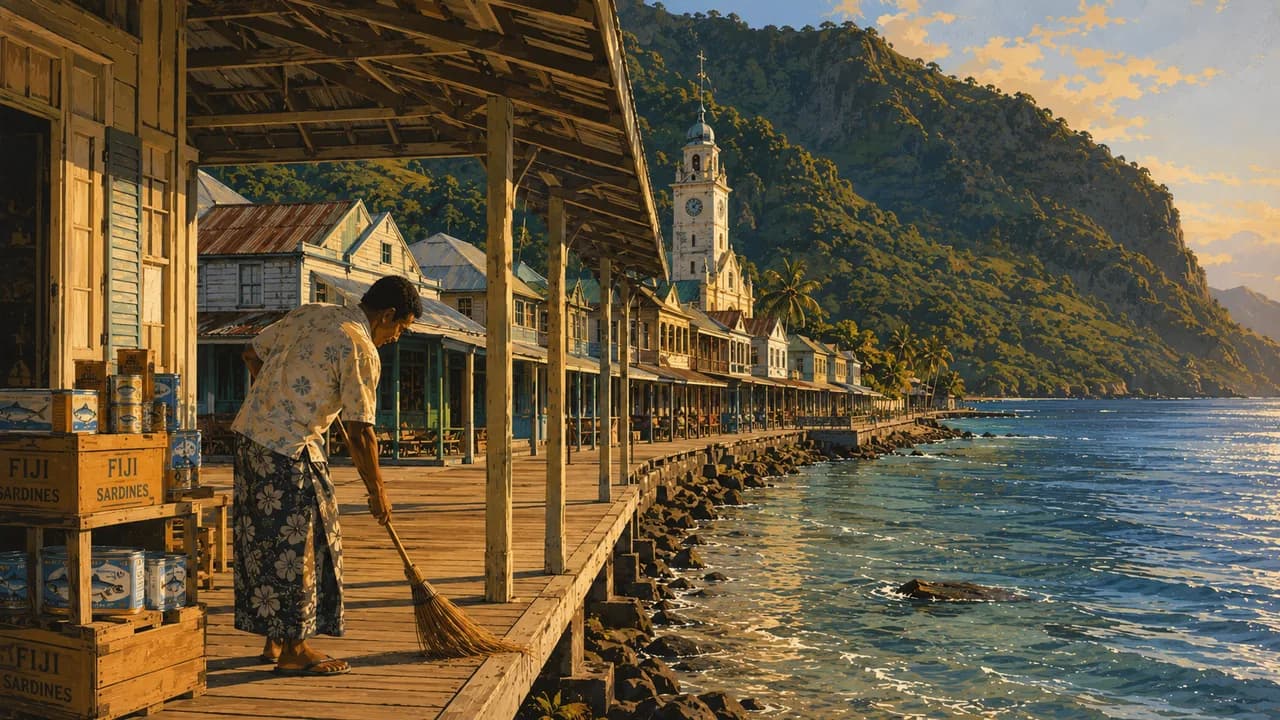
Kadavu pairs village life and forest with the Great Astrolabe Reef. On Ovalau, Levuka's UNESCO-listed historical port town tells of Pacific trade and colonial encounters. The wider Lomaiviti and remote Lau islands reveal other sides of the archipelago. Kava ceremonies, meke performances, lovo earth-oven meals, kokoda and Indian-influenced cooking enrich a visit. Village customs and invitations should be respected. May to October is generally cooler and drier, while November to April is warmer, wetter and the main cyclone season.
Inter-island transfers, reef activities and remote stays need planning around local access arrangements, experience and sea conditions.
AI edited
- ≈ 333
- Islands Tourism Fiji describes approximately 333 islands. Counts depend on the definition of small islands and islets. Not all are inhabited.
- ≈ 903,000
- Population Rounded Fiji Bureau of Statistics population projection for 2026: 902,623 people. This is a projection, not a new census.
- ≈ 18,300 km²
- Area Rounded land area of the archipelago, excluding the extensive marine areas between islands. Figures can vary with area definitions.
- English, Fijian & Fiji Hindi
- Languages English, iTaukei (Fijian) and Fiji Hindi shape communication and everyday life. Language skills vary by region and individual.
- Rotuman & other languages
- Other languages Rotuman is spoken especially on Rotuma and within Rotuman communities. Regional language varieties and other community languages are also present.
- Fiji dollar (FJD)
- Currency The national currency is the Fiji dollar. Card acceptance and access to cash vary between towns, resorts and remote islands.
- I
- Socket type Type I sockets are common, at 240 volts and 50 hertz. A plug adapter does not convert voltage. Check appliance specifications.
- Suva
- Capital Suva lies on Viti Levu's southeastern coast. Nadi on the west coast is the main international gateway, not the capital.
- Left-hand traffic
- Driving side Traffic drives on the left in Fiji. Travel between islands often requires flights or boats.
- UTC+12
- Time zone Pacific/Fiji currently uses UTC+12 without seasonal clock changes. Past daylight-saving rules should not be treated as the current rule. The clock compares the browser zone and a saved home location where available.
- 1
- UNESCO cultural site Levuka Historical Port Town on Ovalau is Fiji's UNESCO World Heritage cultural property. Checked in October 2026.
Fiji on the map

Map data: geoBoundaries (CC BY 4.0), © OpenStreetMap contributors (ODbL), Natural Earth
Climate and best time to travel
Fiji is tropical and warm year-round. May to October is generally cooler and drier. November to April is warmer and wetter and is also the main tropical cyclone season. Western Viti Levu and the Mamanuca and Yasawa islands are often drier than Suva, windward coasts and Taveuni. Rain, wind and rough seas remain possible in the drier season. Month ranges are guidance, not opening calendars or weather guarantees. Reef outings, surf breaks, hikes and boat connections depend on local conditions, experience and access arrangements. Check current local weather and operator information.