Curacao
Kòrsou
Colourful harbour districts, reef-fringed coves and cactus hills meet Papiamentu, living island culture and Caribbean cooking.
Worth coming back!
Wanderlama keeps growing with new destinations, helpful information and exciting features. Check back soon and discover what is new!
Travel to Curacao
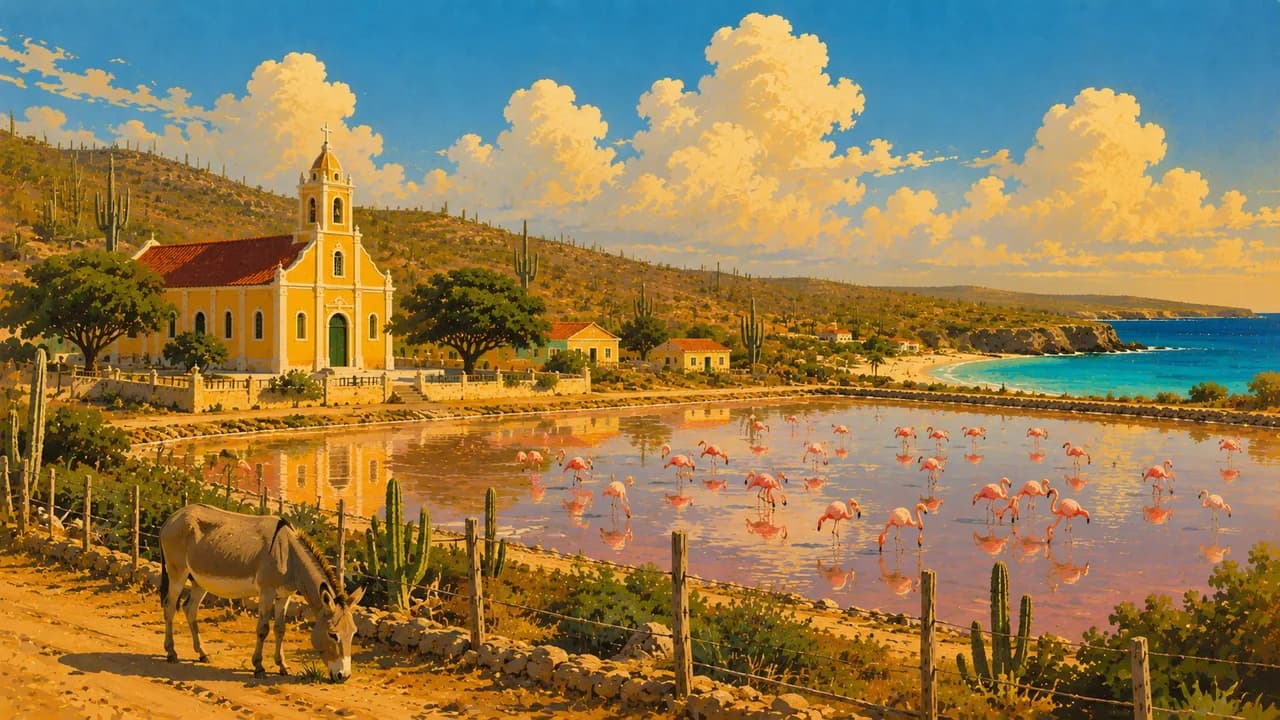
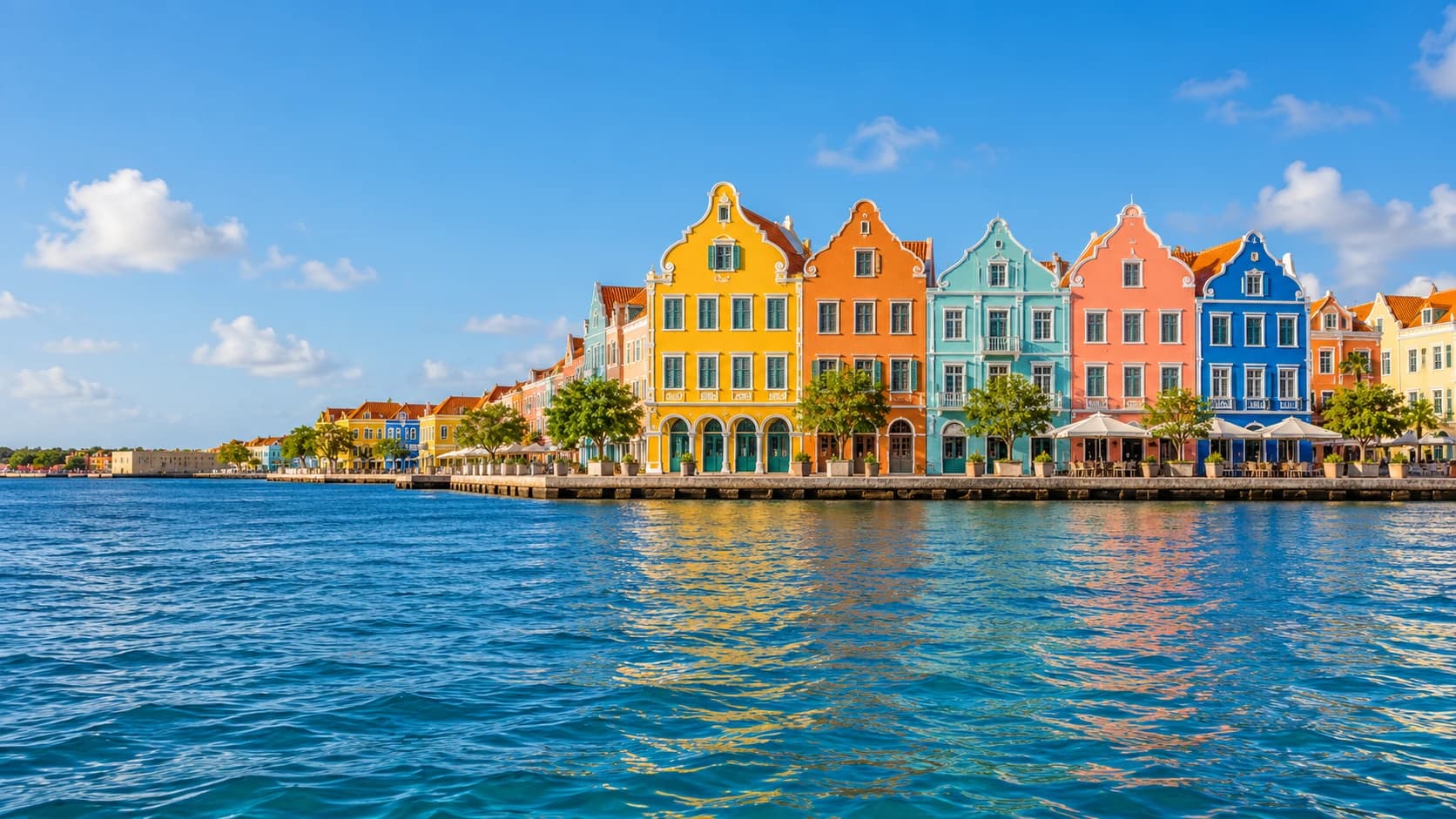
Curaçao is the largest of the ABC islands in the southern Caribbean and an autonomous country within the Kingdom of the Netherlands. Colourful harbour districts, sheltered sandy coves and coral reefs contrast with cactus-covered hills and a wave-battered northern coast. Beyond the beach resorts, the island offers a distinct cultural identity shaped by Papiamentu, African and European heritage and connections with nearby South America.
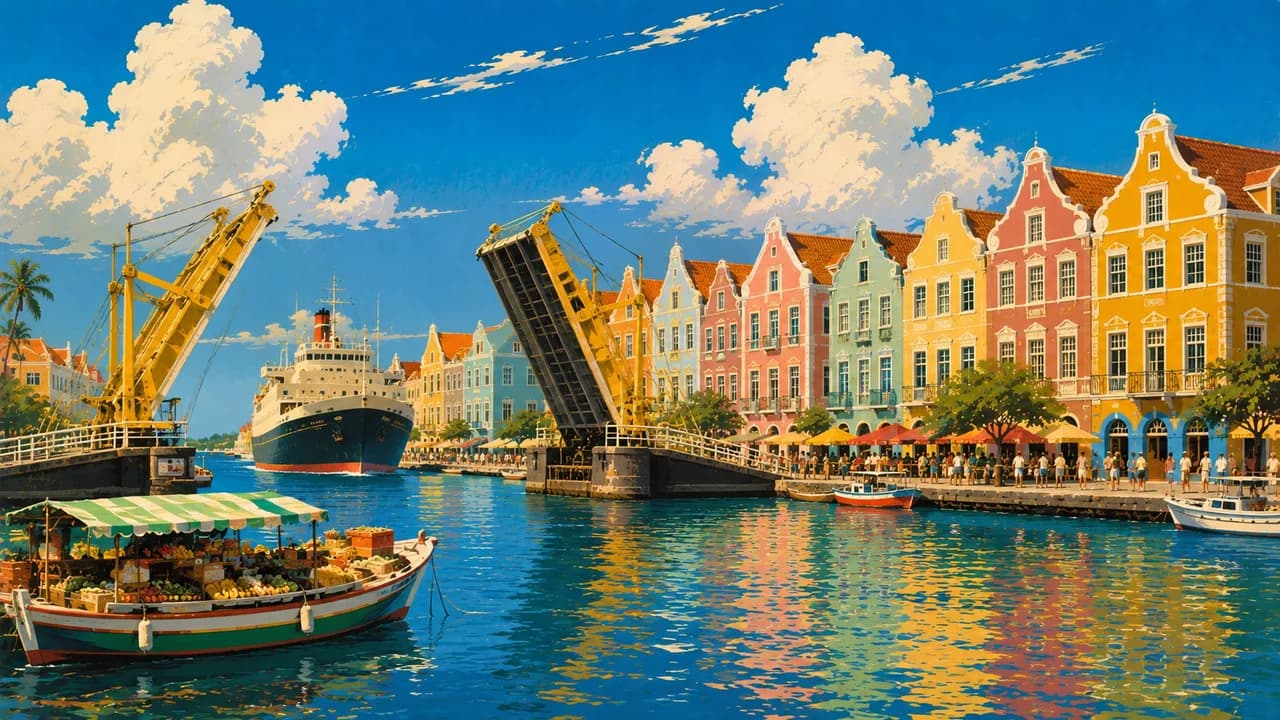
The capital Willemstad's historic inner city and harbour form a UNESCO World Heritage Site, encompassing more than the colourful Handelskade waterfront. The floating Queen Emma Bridge connects Punda and Otrobanda, while Pietermaai and Scharloo add historic streets, restored buildings and contemporary art. Museums and former plantation houses, known as landhuizen, also confront colonial enslavement, with Museo Tula at Landhuis Kenepa recalling resistance led by Tula.
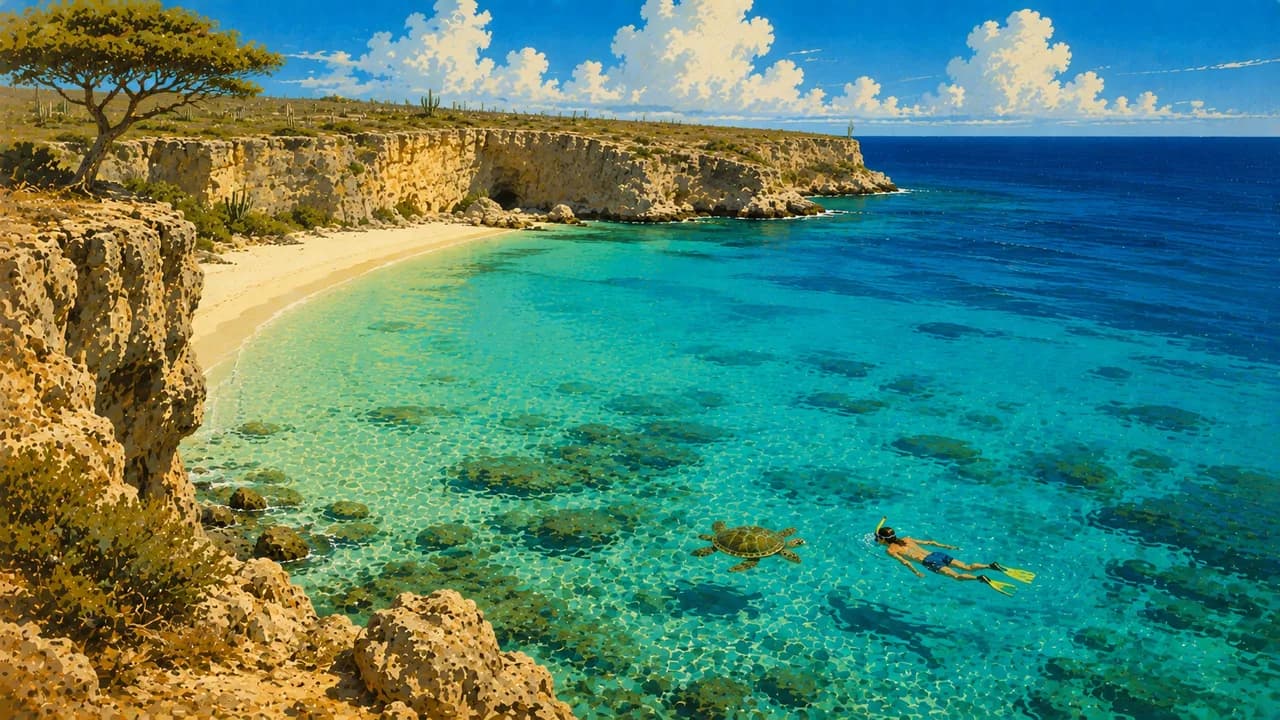
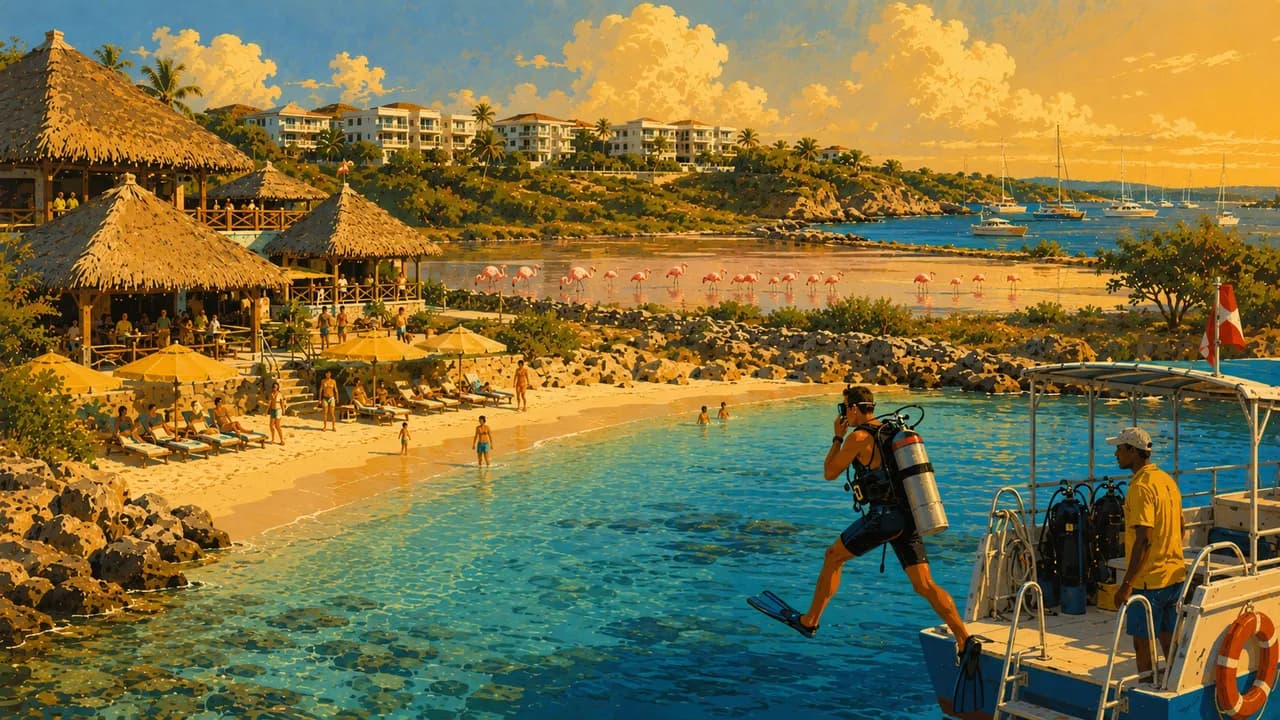
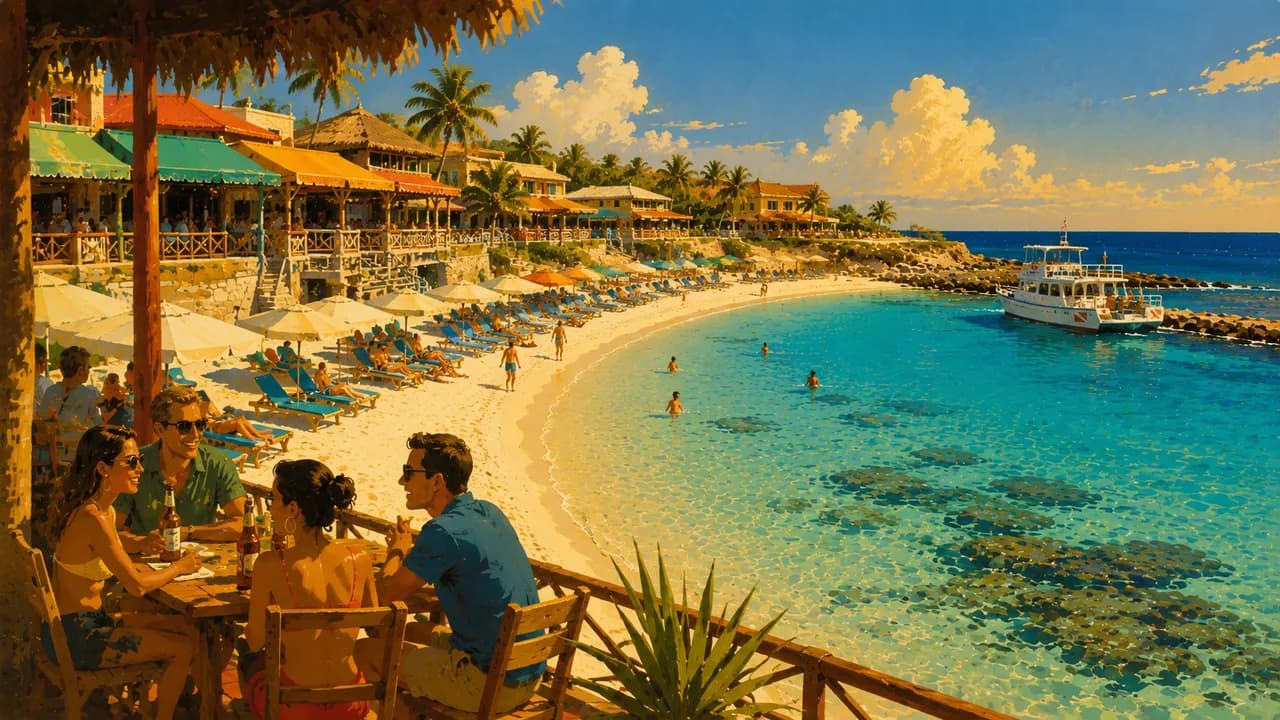
Westpunt provides a base for exploring western coves such as Grote Knip and Playa Lagun, where reefs offer opportunities for snorkelling and diving when conditions permit. Near Sint Willibrordus, Porto Mari adds another beach and dive site to the coastal variety. Mambo Beach and Jan Thiel have more developed beachfronts with restaurants and beach clubs, contrasting with the west's smaller bays.
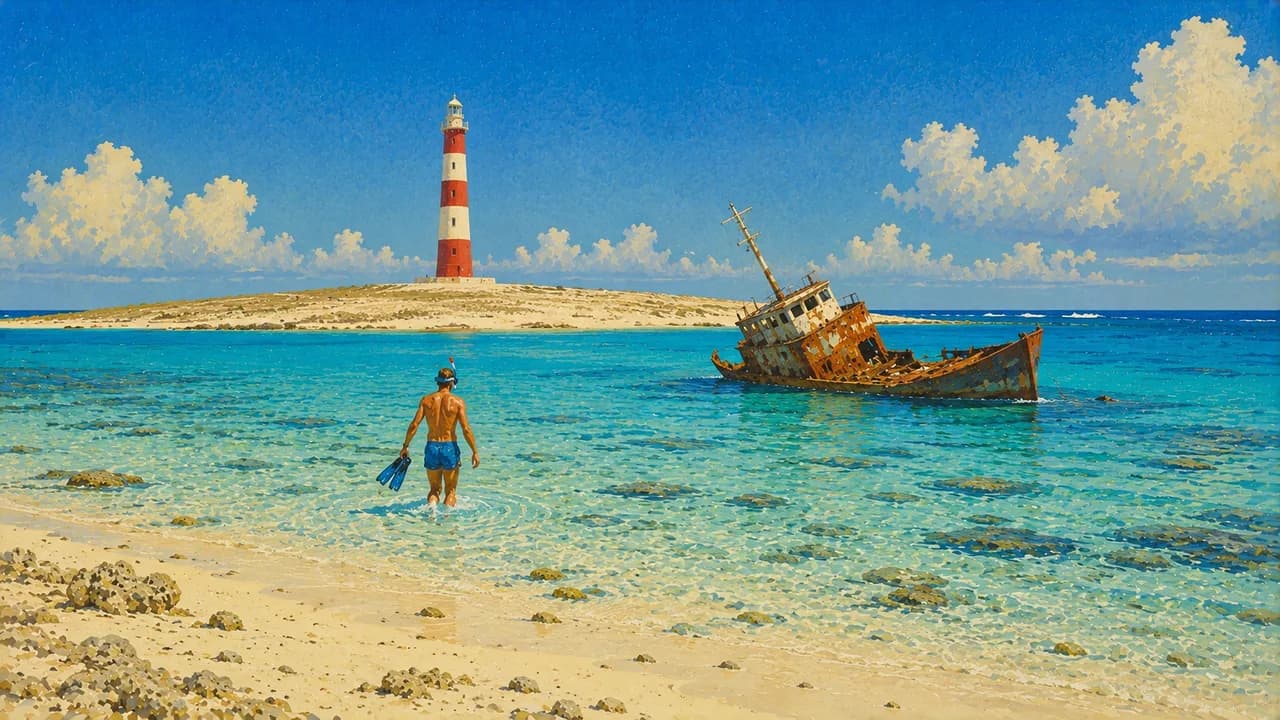
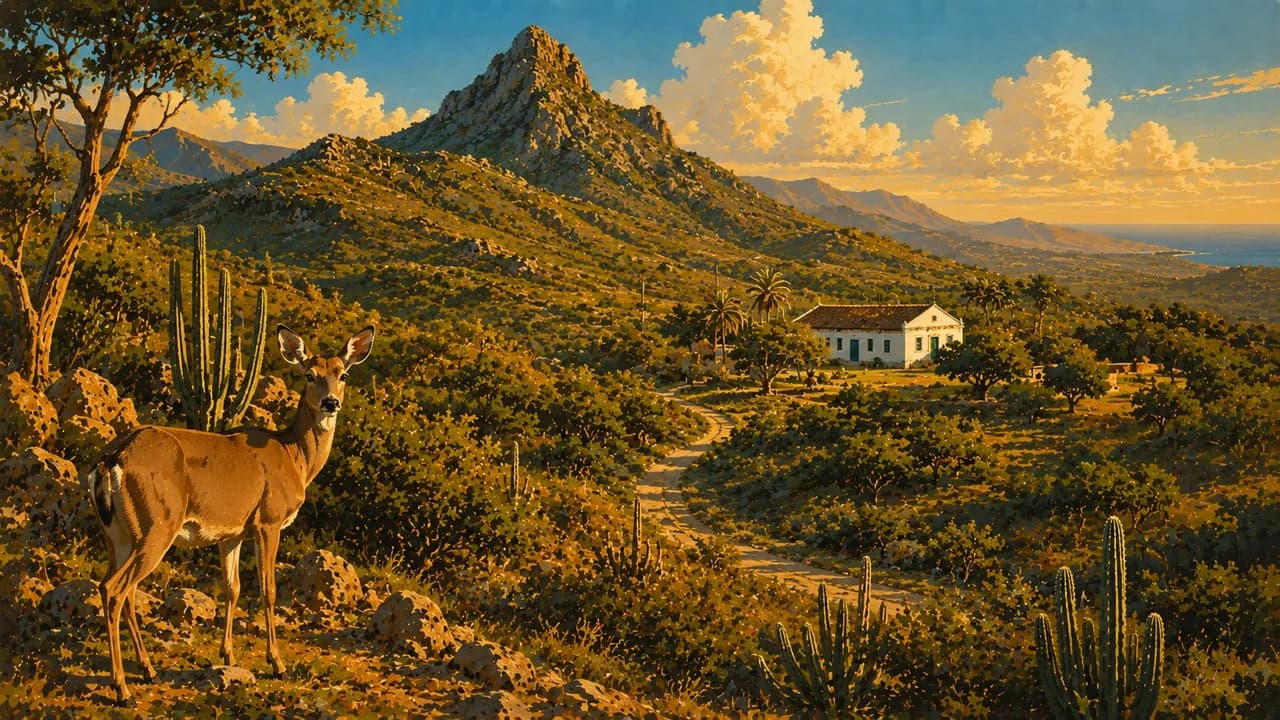
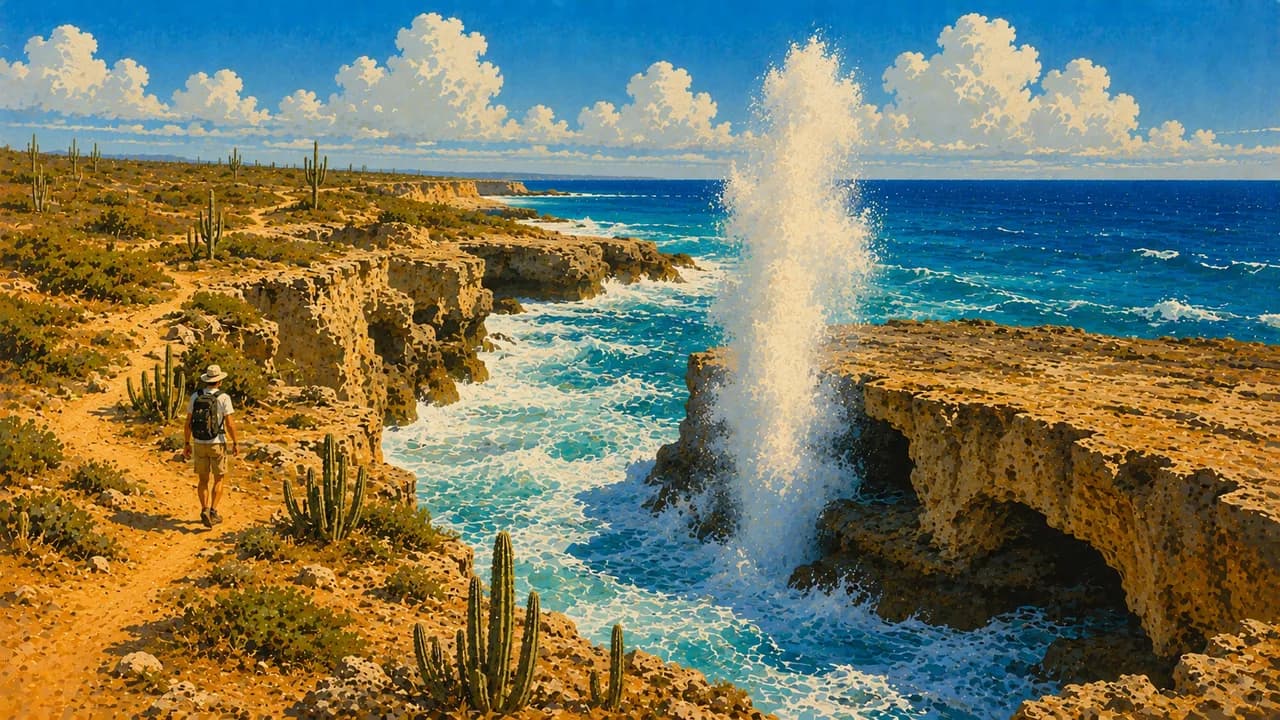
Christoffel National Park protects dry woodland, cactus landscapes and trails around the island's highest mountain, Christoffelberg. Nearby Shete Boka National Park follows rugged limestone shores and wave-carved inlets rather than a swimming coastline. Hato Caves reveal limestone chambers, while offshore Klein Curaçao combines a low sandy island, a lighthouse and surrounding reef waters reached by boat.
Papiamentu, tumba music and carnival traditions express a living culture beyond the colonial architecture. Local krioyo cooking includes fish, cornmeal funchi, stews and stuffed cheese called keshi yena, with traditional meals served at Willemstad's Plasa Bieu. A warm, relatively dry climate supports outdoor exploration, though rainfall, wind and sea conditions vary through the year.
AI edited
- Autonomous country
- Political status Curaçao is an autonomous country within the Kingdom of the Netherlands. It is neither a Dutch municipality nor an independent state.
- ≈ 158,000
- Population Registered population according to CBS Curaçao on 1 January 2026, 158,006. Rounded to 158,000. Not a live population estimate.
- 444 km²
- Area Approximate land area of Curaçao. Surrounding territorial waters are not included.
- Papiamentu, Dutch & English
- Languages Papiamentu, Dutch and English are official languages. Papiamentu shapes everyday life and the island's cultural identity.
- Spanish
- Other languages Spanish is also spoken. The island's multilingual character does not mean every resident speaks all of these languages.
- Caribbean guilder (XCG)
- Currency The official currency is the Caribbean guilder, code XCG. Do not confuse it with the Aruban florin or the former Netherlands Antillean guilder.
- A · B
- Socket types Electrical Safety First lists A and B, 127 V, 50 Hz. Check the actual socket, voltage and appliance compatibility at your accommodation. A plug adaptor does not convert voltage.
- Willemstad
- Capital Willemstad is the capital and seat of government. Its historic inner city and harbour form a UNESCO World Heritage Site.
- Right-hand traffic
- Driving side Traffic keeps to the right. The smaller western coves and nature parks lie beyond the urban beach areas.
- UTC−4
- Time zone Atlantic Standard Time all year without daylight saving. Differences from browser and home time can change when those locations adjust their clocks.
Curacao on the map

Map data: geoBoundaries (CC BY 4.0), © OpenStreetMap contributors (ODbL), Natural Earth
Climate and best time to travel
Curaçao is warm and relatively dry throughout the year, with trade-wind influence. February to June is generally driest, October to December wetter. Outdoor cards follow the drier window without guaranteeing calm seas or clear underwater visibility. Urban heritage and food can be explored year-round.