Antarctica
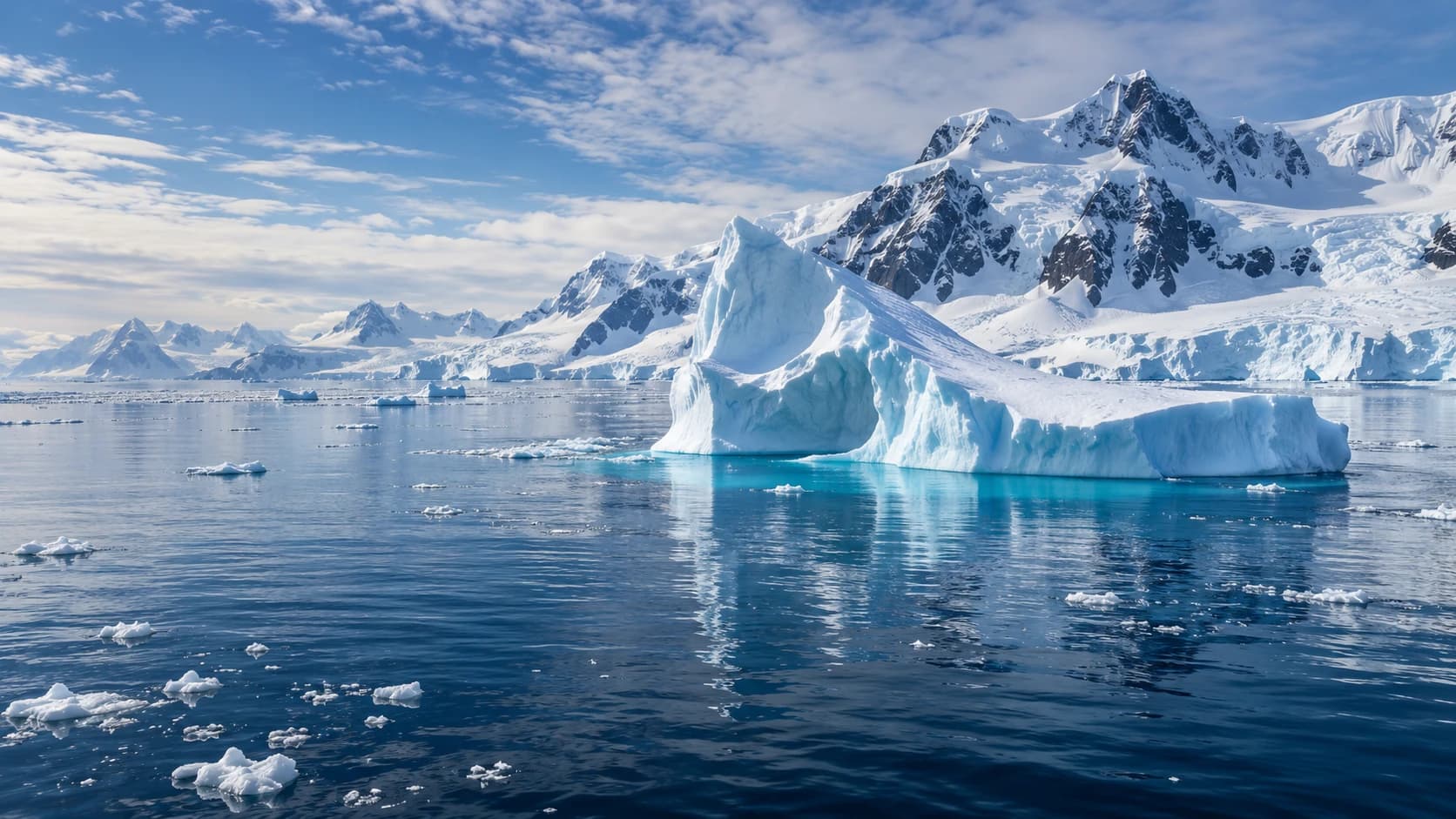
Icebergs, immense glaciers and remarkable wildlife amid the landscapes of the southernmost continent.
Worth coming back!
Wanderlama keeps growing with new destinations, helpful information and exciting features. Check back soon and discover what is new!
Travel to Antarctica
Antarctica is Earth's coldest continent, with vast ice sheets, mountain ranges and a coastline shaped by glaciers and the Southern Ocean. It is not a sovereign country. The Antarctic Treaty System protects peaceful scientific cooperation and the environment, while research stations support international work.
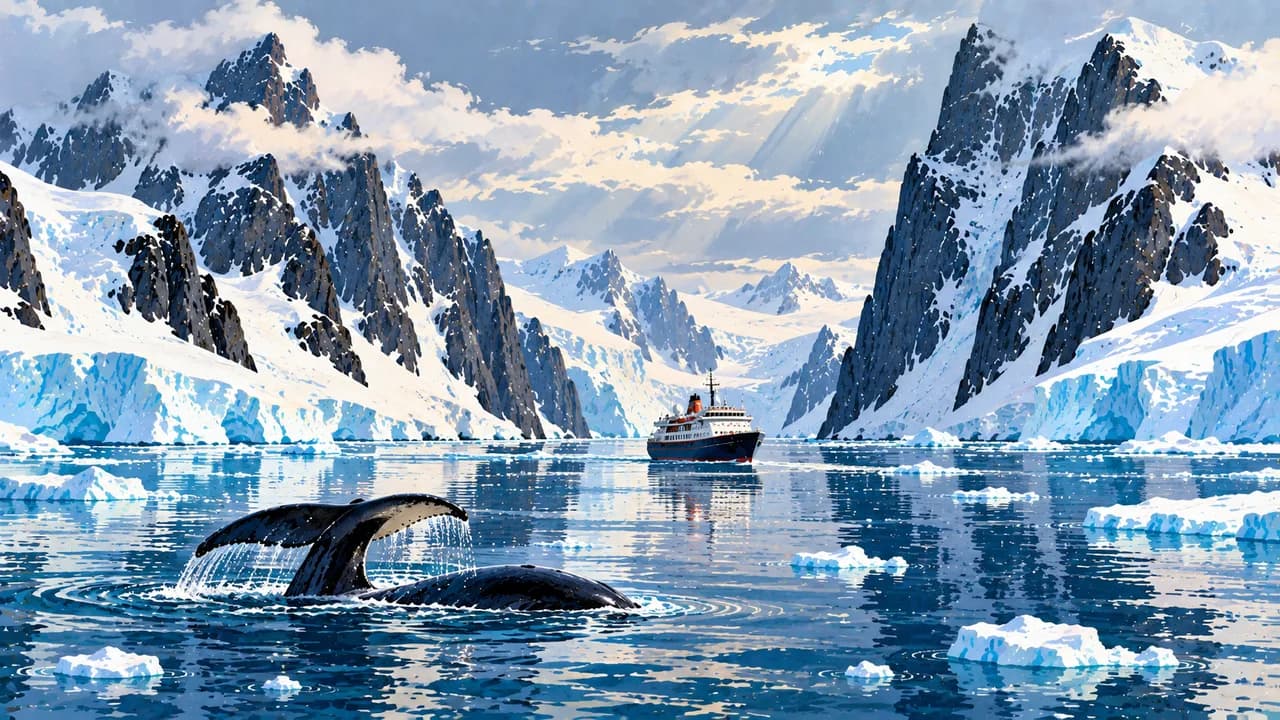
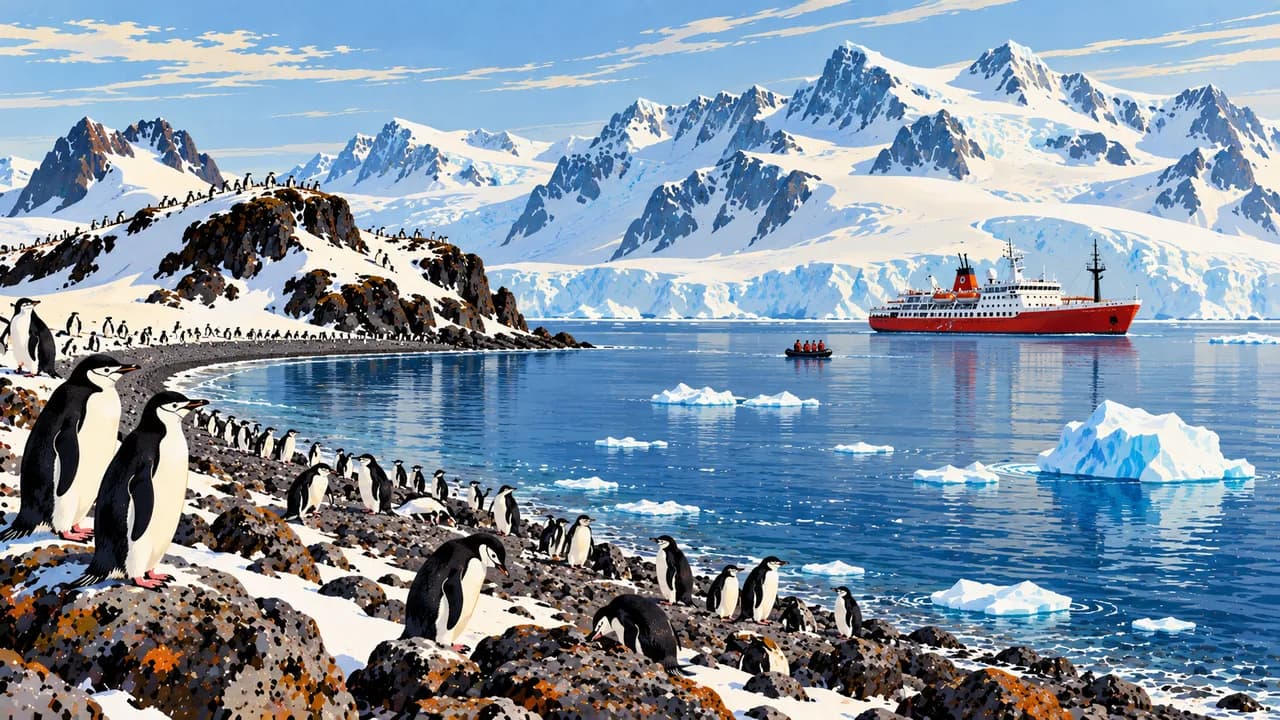
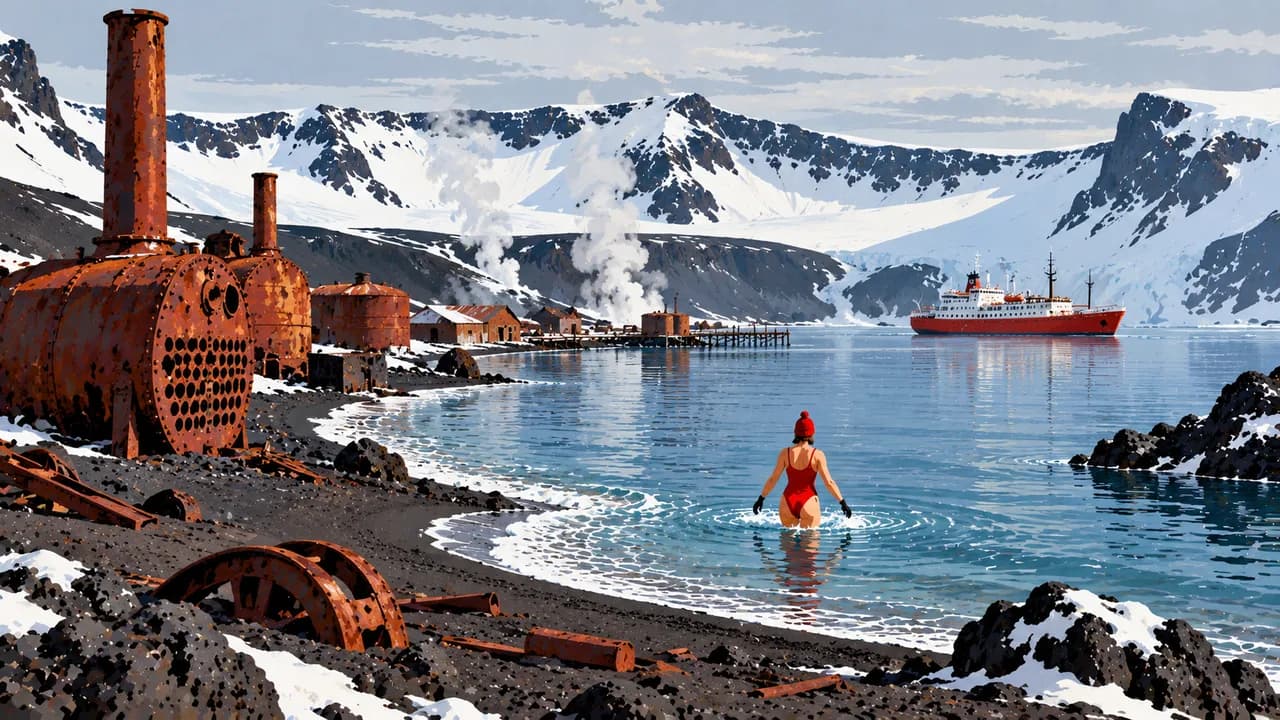
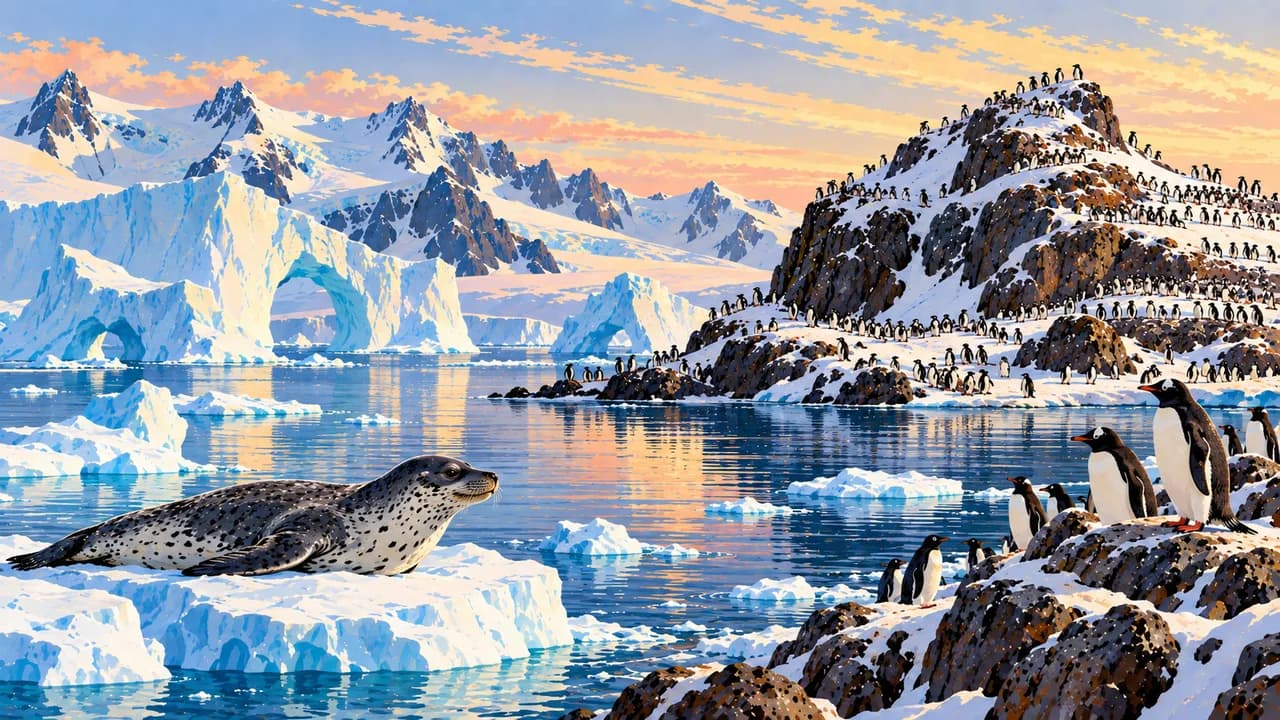
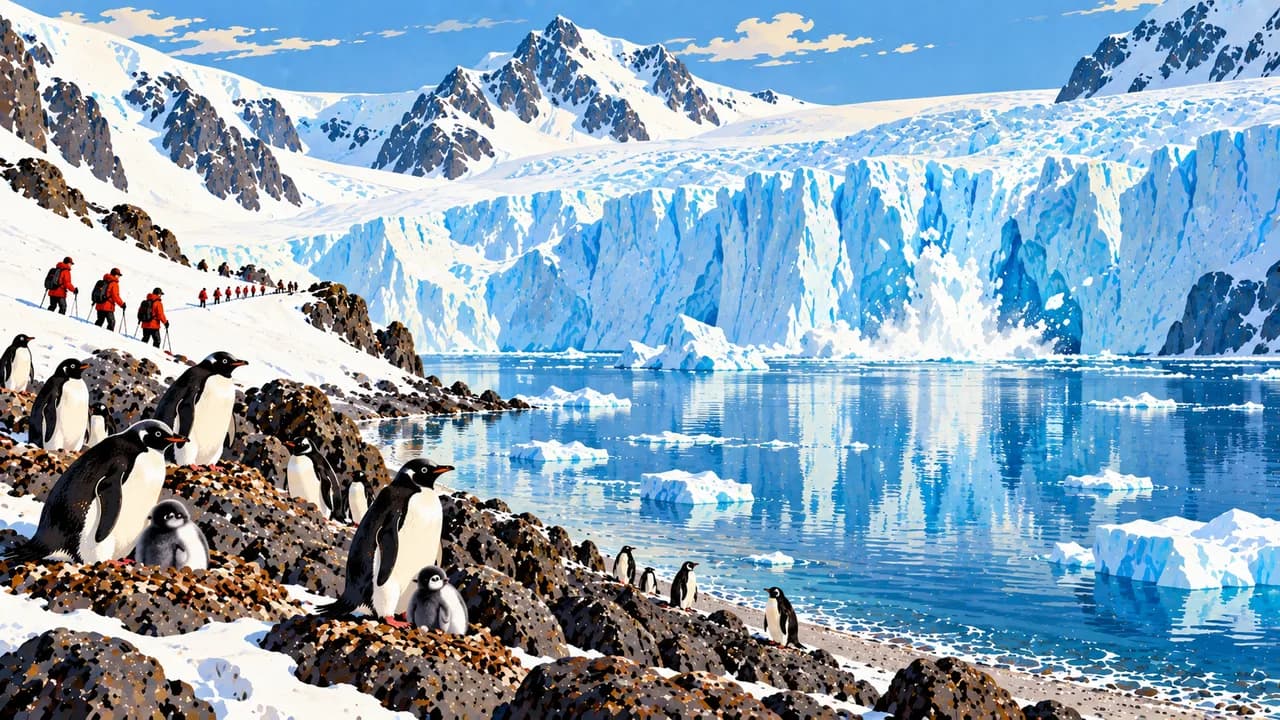
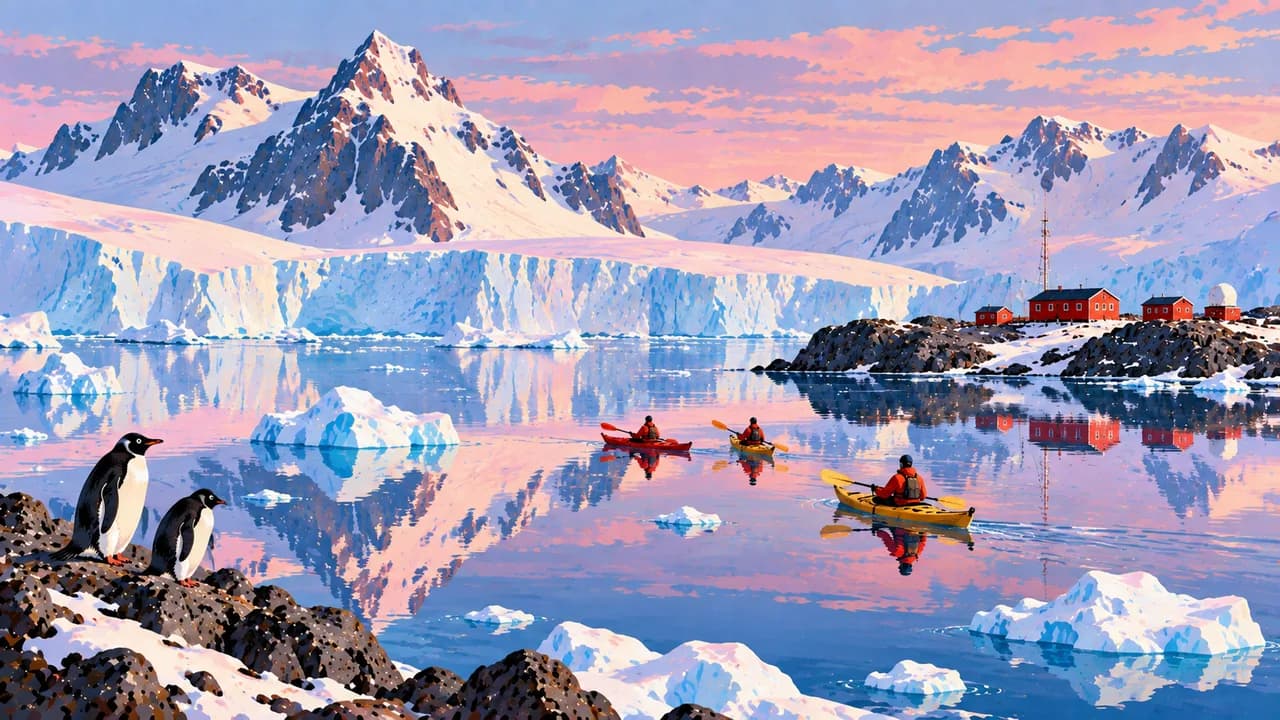
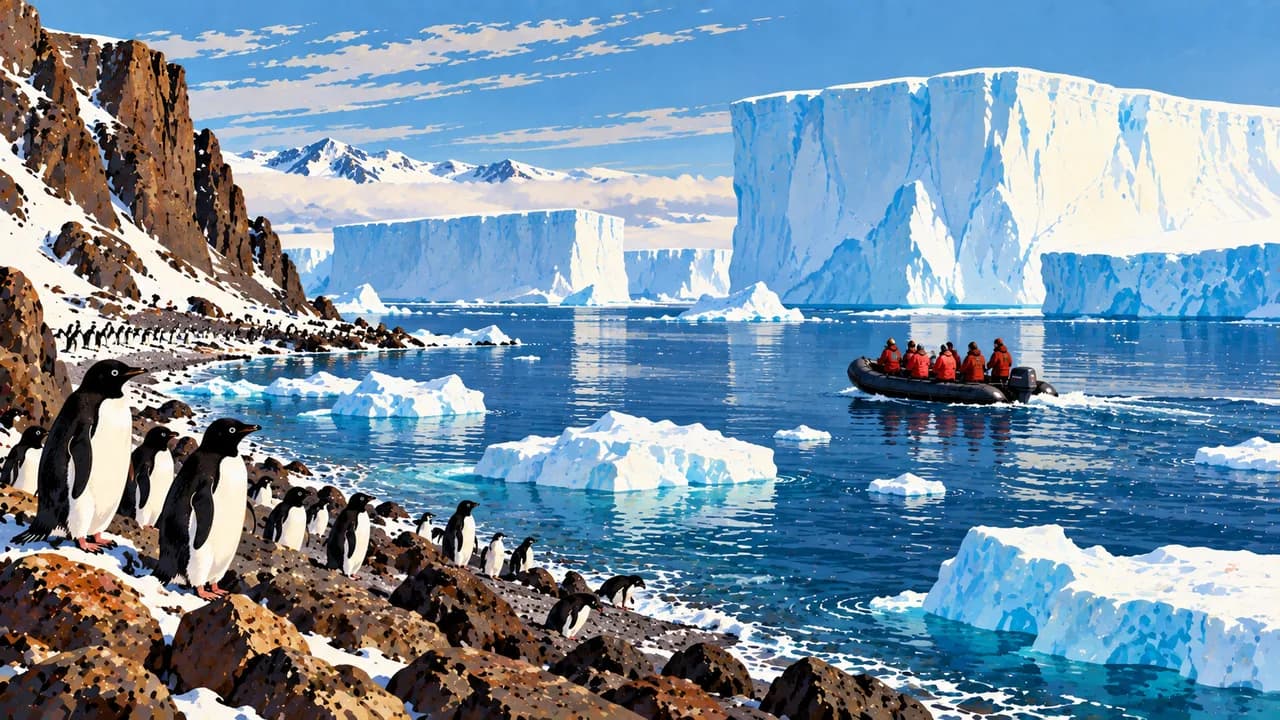
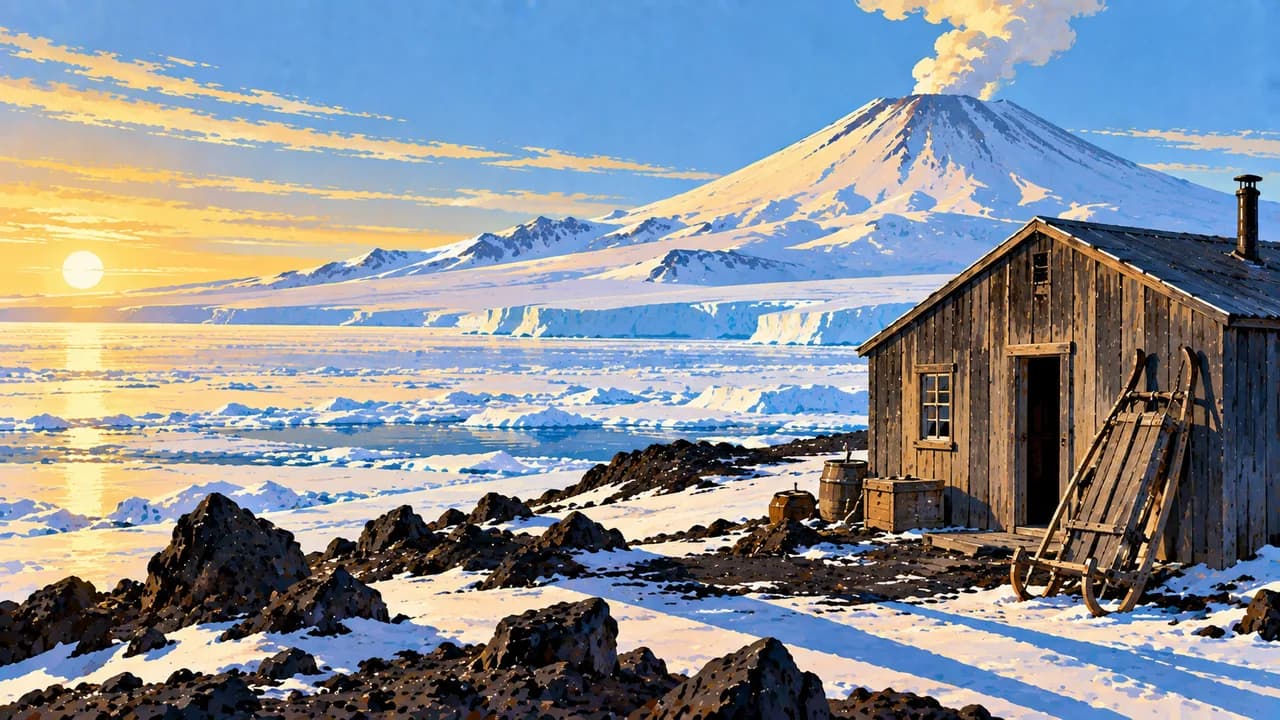
Most visitors travel by expedition ship from Ushuaia across the Drake Passage to the Antarctic Peninsula and South Shetland Islands. Sheltered bays, the Lemaire Channel and icebergs in Antarctic Sound reveal the variety of the peninsula's coast. Deception Island adds volcanic landscapes within a flooded caldera. Penguin colonies, seals, seabirds and seasonal whale encounters are among the wildlife experiences, though sightings are not guaranteed. Less frequent expeditions reach the Ross Sea, where historic huts recall the journeys of Scott and Shackleton.
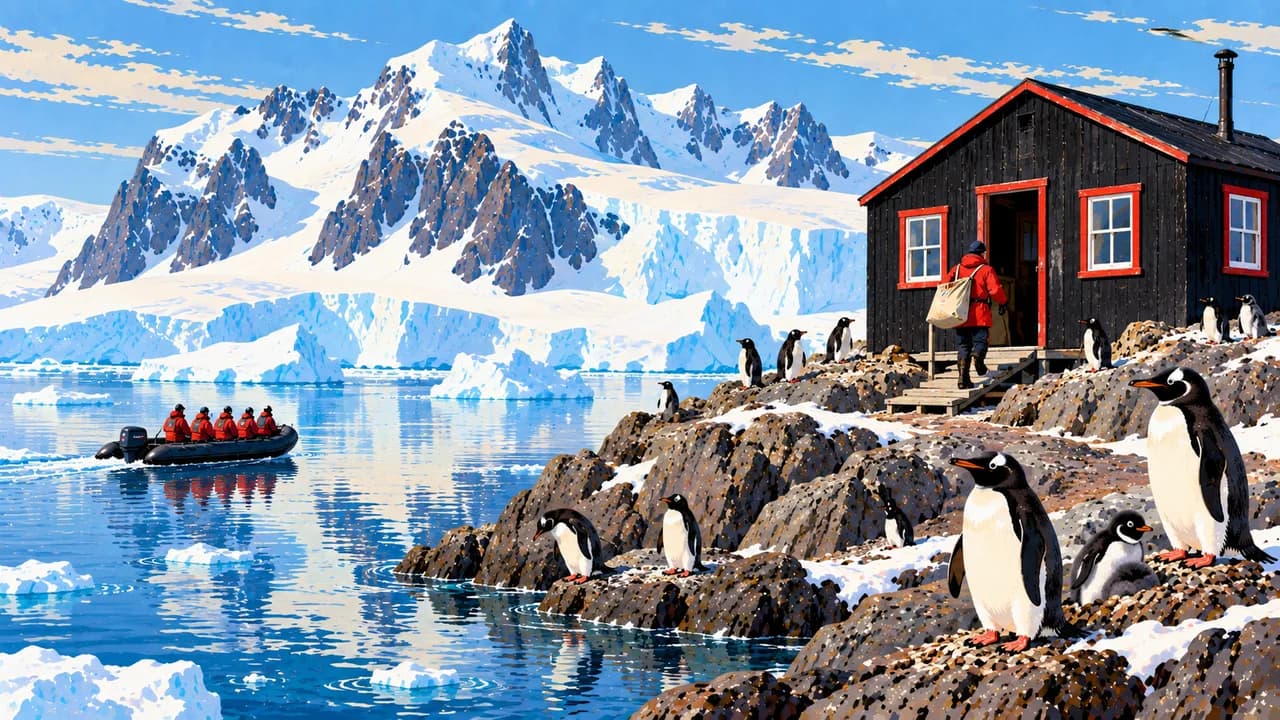
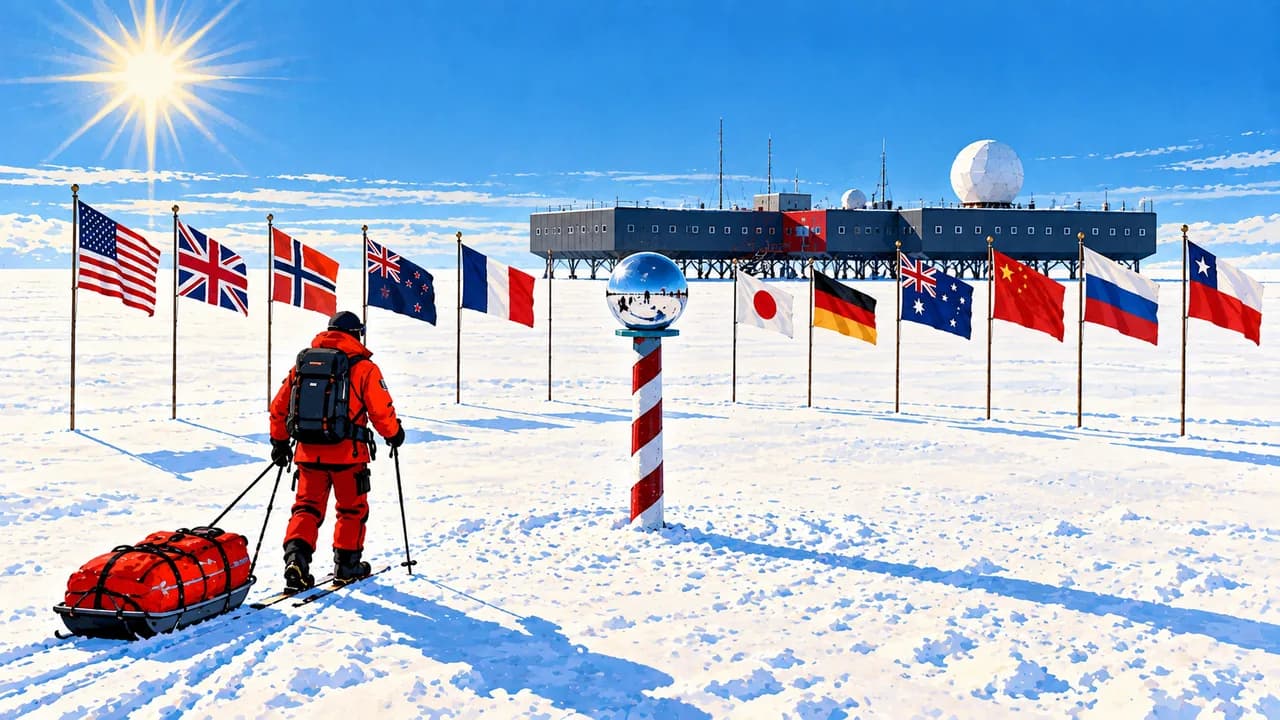
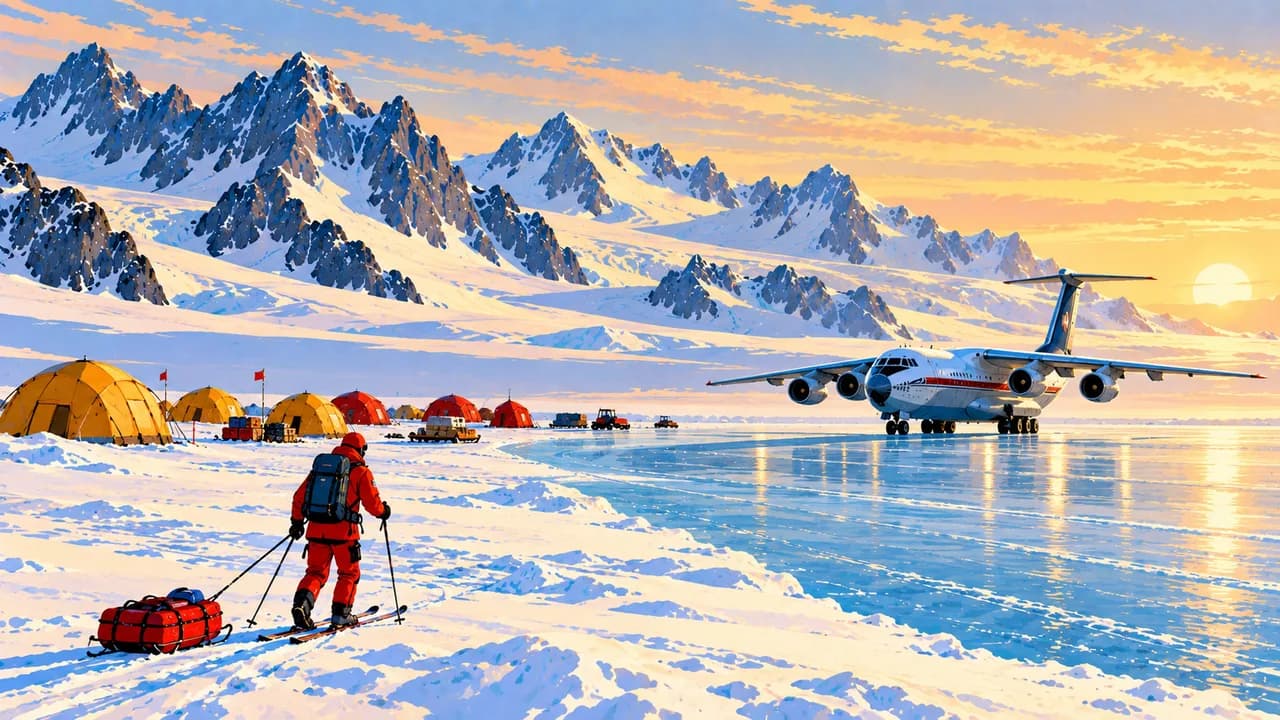
Specialist flights and expeditions via Union Glacier open routes into the interior and to the geographic South Pole. Inflatable-boat outings and permitted landings depend on weather, sea ice and local restrictions. Visits to research stations and historic sites require prior arrangements where applicable. The main tourist season falls in the southern summer, generally from November to March. Flexible itineraries, distance from wildlife and careful cleaning of boots and equipment help protect this fragile environment.
Every journey is shaped by expedition logistics rather than a conventional network of roads, towns and hotels. Responsible operators explain site-specific rules and adapt activities to protect wildlife and sensitive ground.
AI edited
- Continent
- Political status Antarctica is not a sovereign state. The Antarctic Treaty System governs peaceful cooperation, research and environmental protection. It does not simply abolish existing territorial claims.
- ≈ 14 million km²
- Area Approximate area of the continent including its ice shelves. Exact boundaries can vary between sources. Seasonal sea ice is not additional land area.
- Seasonal
- Population Research and support staff numbers vary considerably between summer and winter. Antarctica has no indigenous population.
- None
- Capital The continent has no capital. Research stations are not national capitals.
- Station-dependent
- Languages There is no common national language. Languages used depend on the research programme, station and expedition.
- No local currency
- Currency There is no Antarctic currency valid throughout the continent. Billing and payment arrangements on board or for available services depend on the operator.
- Station-dependent
- Time zones The continent has no single local time. Stations and ships use times chosen for their operations. No single clock is therefore shown as the time throughout Antarctica.
- Expedition travel
- Getting there Most tourist visits are by expedition ship. Specialist operators also arrange flights. Access, landings and station visits depend on permits, local rules, weather and ice.
- Nov–Mar
- Main travel season The main tourist season falls in the southern summer. Specific windows vary by region, route and activity; some expeditions have much shorter seasons.
Antarctica on the map

Map data: geoBoundaries (CC BY 4.0), © OpenStreetMap contributors (ODbL), Natural Earth
Climate and best time to travel
The southern summer from November to March is the main travel season, but region and expedition type make a considerable difference. Conditions on the Antarctic Peninsula are comparatively milder than in the extremely cold interior. Long days help with outings, although not every destination experiences continuous midnight sun. Early summer brings fresh snow to the landscape. December and January are important breeding and chick-rearing months for many penguin species, while February and March often offer good opportunities for whale watching. Sightings are never guaranteed. Ross Sea voyages and flights into the interior have their own, often shorter windows. Weather, sea conditions and sea ice can change routes and landings at any time. Month ranges are only a guide. Wildlife distances, biosecurity rules and expedition-team instructions apply to every visit; station visits require advance arrangements where applicable.